THE ADVENTURE COLLECTIVE® · Independent discovery and booking for outdoor travel

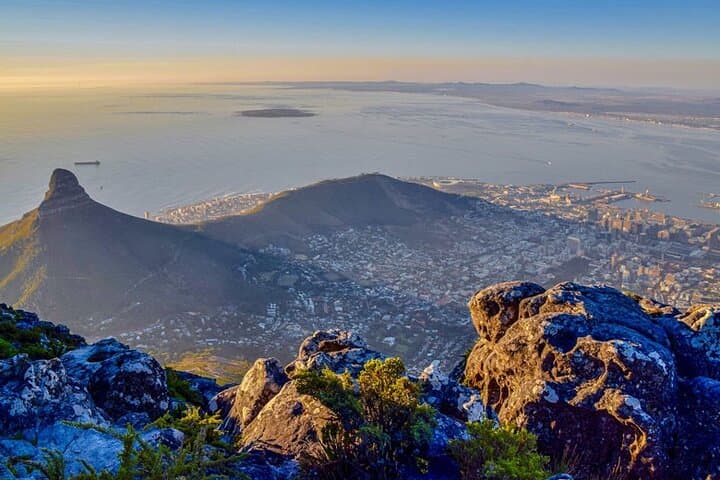
Take a half‑day ferry from Cape Town to Robben Island for a guided look at Nelson Mandela’s former prison, firsthand stories from guides, and sweeping views of Table Mountain. This concise tour combines accessible walking with powerful historical context.
Take a half‑day ferry from Cape Town to Robben Island for a guided look at Nelson Mandela’s former prison, firsthand stories from guides, and sweeping views of Table Mountain. This concise tour combines accessible walking with powerful historical context.
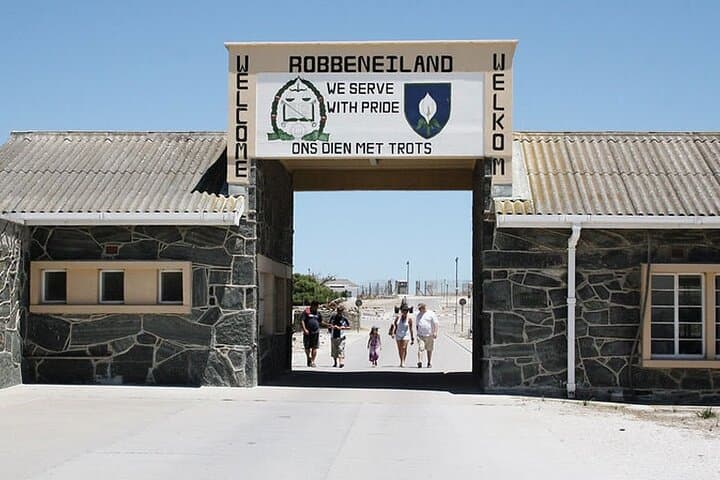
The ferry cuts through Table Bay and the city shrinks behind you: salt wind, a chorus of sea birds, and the island’s low-profile silhouette coming into focus. Arrival on Robben Island feels deliberate—rocky shorelines, windswept scrub, and the hulking whitewash of the prison buildings that once held South Africa’s most famous political prisoners.
Verified experiences and guided adventures in the surrounding area.
Operated by African Tour Gorilla · Cape Town, Western Cape
The ferry cuts through Table Bay and the city shrinks behind you: salt wind, a chorus of sea birds, and the island’s low-profile silhouette coming into focus. Arrival on Robben Island feels deliberate—rocky shorelines, windswept scrub, and the hulking whitewash of the prison buildings that once held South Africa’s most famous political prisoners.
Robben Island’s history is layered: a 17th‑century leper colony, a strategic military site, and the 20th‑century maximum security prison that housed Nelson Mandela and other anti‑apartheid activists. Geologically the island is a flat, wave-cut remnant of Table Mountain sandstone and shelf rock; exposure to the Atlantic shapes its exposed shore and sparse vegetation. Cultural memory here is tangible—guided accounts, often from former inmates, map individual stories onto the stark architecture.
Practical guidance arrives with the history: ferries run on scheduled slots (commonly 8am–4pm), and the tour moves at the pace of the group. Wear windproof layers and sturdy shoes for uneven surfaces; bring sun protection—there’s little shade—and a small water bottle. Photography is allowed in most outdoor areas but restricted in cells and some interiors; listen to your guide.
Timing matters: morning crossings are calmer and offer clearer views of Table Mountain. The walk around the prison compound is relatively flat but exposed to wind—plan for cool temperatures even on sunny days. Accessibility is good: paths and some buildings are wheelchair accessible, but check ferry motion tolerance if you’re prone to seasickness.
This half‑day experience balances reflection and context—expect a compact, emotionally resonant visit that pairs vivid firsthand accounts with the archaeological traces of an island that once isolated dissent.
easy.
5 hours.
Suitable for most fitness levels; involves walking on uneven, exposed surfaces for up to a couple of hours
The full experience with ferry crossings and on‑island guided visit is approximately five hours from hotel pickup to return.
Many paths and some buildings are wheelchair accessible, but notify the operator ahead of time to confirm accommodations and ferry boarding assistance.
Photography is restricted in certain interior spaces, particularly some cells and exhibits—follow your guide’s instructions on where photos are allowed.
Ferry operations can be affected by strong winds; if a crossing is cancelled, follow the tour’s cancellation policy (full refund if cancelled 24 hours prior is common) and rescheduling options.
Robben Island served as a place of banishment since the 1600s and was later used as a maximum security prison during apartheid; Nelson Mandela was incarcerated there for 18 years.
Robben Island is a UNESCO World Heritage Site—visitor numbers are managed and visitors are asked to stick to paths and avoid disturbing nesting birds and coastal vegetation.
African Tour Gorilla operates guided outdoor trips and adventures with an emphasis on safety, stewardship, and memorable experiences.

The ferry cuts through Table Bay and the city shrinks behind you: salt wind, a chorus of sea birds, and the island’s low-profile silhouette coming into focus. Arrival on Robben Island feels deliberate—rocky shorelines, windswept scrub, and the hulking whitewash of the prison buildings that once held South Africa’s most famous political prisoners.
The ferry cuts through Table Bay and the city shrinks behind you: salt wind, a chorus of sea birds, and the island’s low-profile silhouette coming into focus. Arrival on Robben Island feels deliberate—rocky shorelines, windswept scrub, and the hulking whitewash of the prison buildings that once held South Africa’s most famous political prisoners.
Robben Island’s history is layered: a 17th‑century leper colony, a strategic military site, and the 20th‑century maximum security prison that housed Nelson Mandela and other anti‑apartheid activists. Geologically the island is a flat, wave-cut remnant of Table Mountain sandstone and shelf rock; exposure to the Atlantic shapes its exposed shore and sparse vegetation. Cultural memory here is tangible—guided accounts, often from former inmates, map individual stories onto the stark architecture.
Practical guidance arrives with the history: ferries run on scheduled slots (commonly 8am–4pm), and the tour moves at the pace of the group. Wear windproof layers and sturdy shoes for uneven surfaces; bring sun protection—there’s little shade—and a small water bottle. Photography is allowed in most outdoor areas but restricted in cells and some interiors; listen to your guide.
Timing matters: morning crossings are calmer and offer clearer views of Table Mountain. The walk around the prison compound is relatively flat but exposed to wind—plan for cool temperatures even on sunny days. Accessibility is good: paths and some buildings are wheelchair accessible, but check ferry motion tolerance if you’re prone to seasickness.
This half‑day experience balances reflection and context—expect a compact, emotionally resonant visit that pairs vivid firsthand accounts with the archaeological traces of an island that once isolated dissent.