THE ADVENTURE COLLECTIVE® · Independent discovery and booking for outdoor travel

Cross the Atlantic to Robben Island for a compact yet powerful half-day visit: a ferry ride with coastal panoramas followed by a guided walk through the prison where Nelson Mandela was held. Practical tips on timing, tickets, and what to bring.
Cross the Atlantic to Robben Island for a compact yet powerful half-day visit: a ferry ride with coastal panoramas followed by a guided walk through the prison where Nelson Mandela was held. Practical tips on timing, tickets, and what to bring.
The ferry slips away from the Cape Town quayside and the city peel of sound — traffic, gulls, distant calls — shrinks into a slice of shoreline. The Atlantic air pushes at your jacket as Robben Island grows out of the sea, its low profile and pale limestone cliffs asserting a quiet authority. Waves dare you closer; wind-twisted grasses lean into the breeze as the boat approaches.
Verified experiences and guided adventures in the surrounding area.
Operated by Cape Adventure Tours · Cape Town, Western Cape
The ferry slips away from the Cape Town quayside and the city peel of sound — traffic, gulls, distant calls — shrinks into a slice of shoreline. The Atlantic air pushes at your jacket as Robben Island grows out of the sea, its low profile and pale limestone cliffs asserting a quiet authority. Waves dare you closer; wind-twisted grasses lean into the breeze as the boat approaches.
Robben Island’s geology is simple: wind-buffed limestone and dunes on a basalt base that kept it remote and useful as a prison and outpost. The island’s history is sharper — a World Heritage site where Nelson Mandela served much of his 27-year imprisonment — and the prison tour lays out apartheid-era policy through personal stories and the built environment: cells, communal spaces, the lime quarry that shaped men’s days.
Culturally, the island is also a place of memory and of the communities onshore who visit and watch. Expect layered narratives told by guides who weave first-person accounts with national history. Wildlife is present at the edges — seabirds and occasional seals — reminding visitors the landscape still exerts its own rhythms.
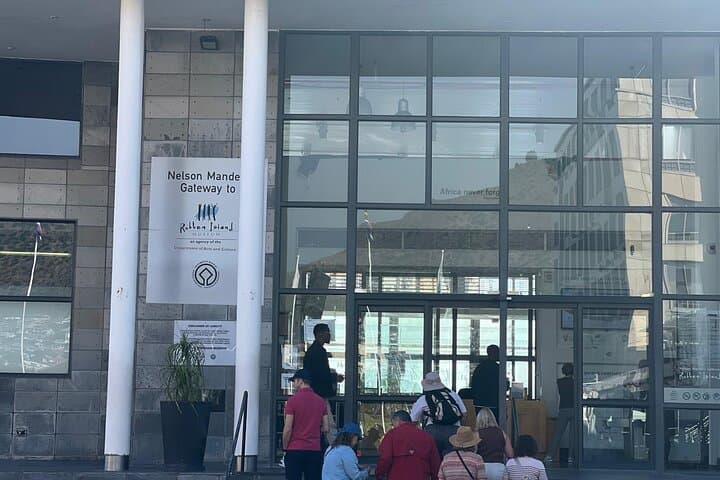
Practical guidance: book the ferry slot (8:00, 10:00, or 12:00) and arrive early for security and boarding. Bring a windproof layer and sturdy shoes for uneven surfaces, plus ID or passport as checks are common. The tour runs about five hours door-to-door from central Cape Town; allow extra time for traffic on return. Photography is allowed in many areas but follow guide instructions inside the prison. Carry water, protect against sun and wind, and leave time afterward to reflect on the island’s complex legacy.
easy.
4–5 hours.
Suitable for most fitness levels; requires short standing and walking periods on uneven surfaces
The full experience is roughly five hours from Cape Town hotel pickup to return, with about 2–3 hours on the island depending on ferry time.
Photography is allowed in many outdoor areas but follow guide instructions—some interior spaces may be restricted for respectful reasons.
Robben Island has accessible paths and the operator notes wheelchair accessibility, but contact the tour operator ahead to confirm arrangements.
Ferry operations depend on sea and wind conditions; cancellation policies vary, so check the provider’s refund/cancellation terms and plan flexibility into your schedule.
Robben Island served as a prison and a symbol of apartheid; its prison complex and stories of political prisoners, including Nelson Mandela, shaped South Africa's path to democracy.
The island balances visitor access with heritage protection and ecological management; avoid disturbing seabird colonies and follow marked paths to limit erosion and invasive plant spread.
Cape Adventure Tours operates guided outdoor trips and adventures with an emphasis on safety, stewardship, and memorable experiences.

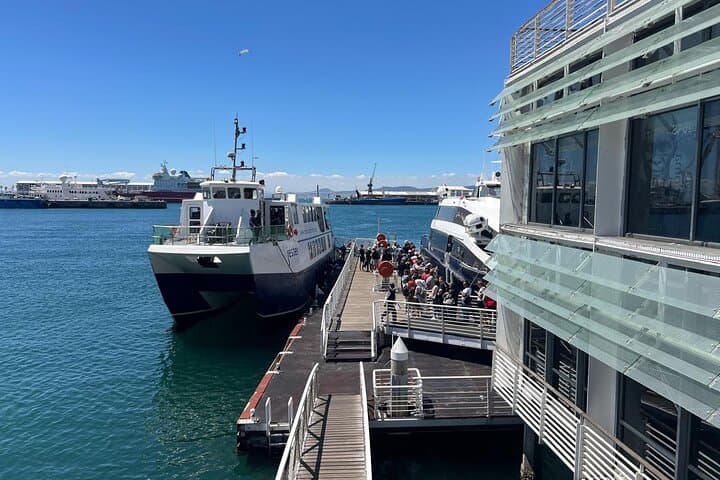

The ferry slips away from the Cape Town quayside and the city peel of sound — traffic, gulls, distant calls — shrinks into a slice of shoreline. The Atlantic air pushes at your jacket as Robben Island grows out of the sea, its low profile and pale limestone cliffs asserting a quiet authority. Waves dare you closer; wind-twisted grasses lean into the breeze as the boat approaches.
The ferry slips away from the Cape Town quayside and the city peel of sound — traffic, gulls, distant calls — shrinks into a slice of shoreline. The Atlantic air pushes at your jacket as Robben Island grows out of the sea, its low profile and pale limestone cliffs asserting a quiet authority. Waves dare you closer; wind-twisted grasses lean into the breeze as the boat approaches.
Robben Island’s geology is simple: wind-buffed limestone and dunes on a basalt base that kept it remote and useful as a prison and outpost. The island’s history is sharper — a World Heritage site where Nelson Mandela served much of his 27-year imprisonment — and the prison tour lays out apartheid-era policy through personal stories and the built environment: cells, communal spaces, the lime quarry that shaped men’s days.
Culturally, the island is also a place of memory and of the communities onshore who visit and watch. Expect layered narratives told by guides who weave first-person accounts with national history. Wildlife is present at the edges — seabirds and occasional seals — reminding visitors the landscape still exerts its own rhythms.
Practical guidance: book the ferry slot (8:00, 10:00, or 12:00) and arrive early for security and boarding. Bring a windproof layer and sturdy shoes for uneven surfaces, plus ID or passport as checks are common. The tour runs about five hours door-to-door from central Cape Town; allow extra time for traffic on return. Photography is allowed in many areas but follow guide instructions inside the prison. Carry water, protect against sun and wind, and leave time afterward to reflect on the island’s complex legacy.