THE ADVENTURE COLLECTIVE® · Independent discovery and booking for outdoor travel

Board a 30-minute ferry from the V&A Waterfront to Robben Island, then join a resident guide for a bus loop and prison museum visit that traces South Africa’s modern history. Expect wind, sea spray, and a compact, powerful half-day experience.
Board a 30-minute ferry from the V&A Waterfront to Robben Island, then join a resident guide for a bus loop and prison museum visit that traces South Africa’s modern history. Expect wind, sea spray, and a compact, powerful half-day experience.
The ferry slips free of the wharf and the Atlantic takes the wheel: cold spray, a steady thrum of engines, and the flat silhouette of Robben Island rising from the horizon. Within half an hour the city’s skyline is a fading ribbon and the island’s low, wind-scoured profile grows larger — its lichen-streaked rock and scrub exposed to a harsh ocean appetite.
Verified experiences and guided adventures in the surrounding area.
Operated by Beyond Africa Safaris (Pty)Ltd · Cape Town, Western Cape
The ferry slips free of the wharf and the Atlantic takes the wheel: cold spray, a steady thrum of engines, and the flat silhouette of Robben Island rising from the horizon. Within half an hour the city’s skyline is a fading ribbon and the island’s low, wind-scoured profile grows larger — its lichen-streaked rock and scrub exposed to a harsh ocean appetite.
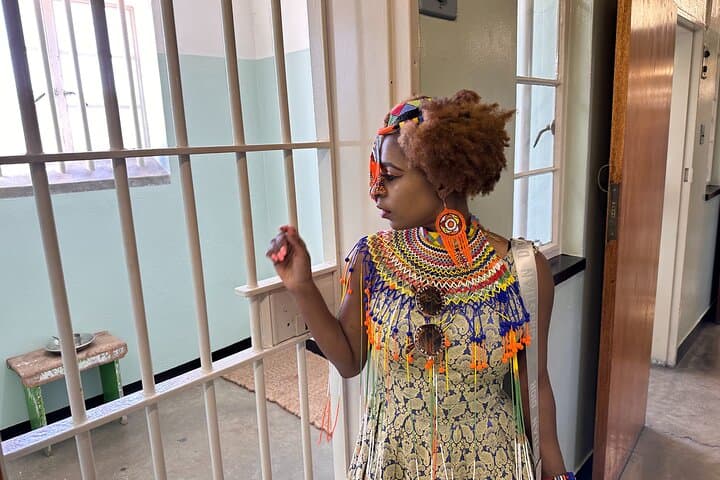
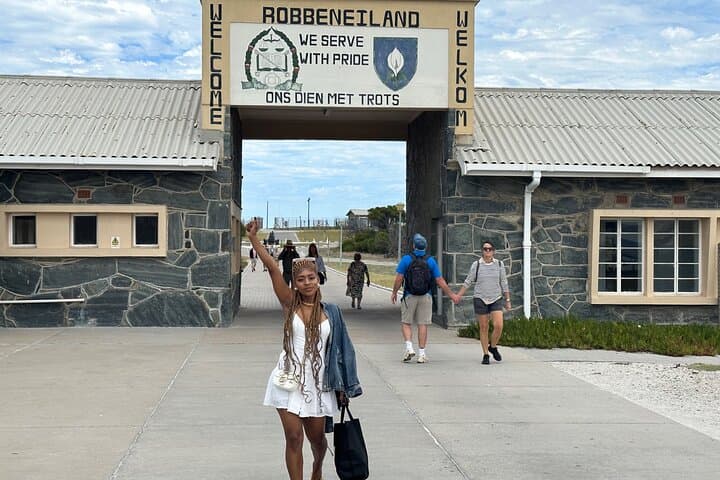
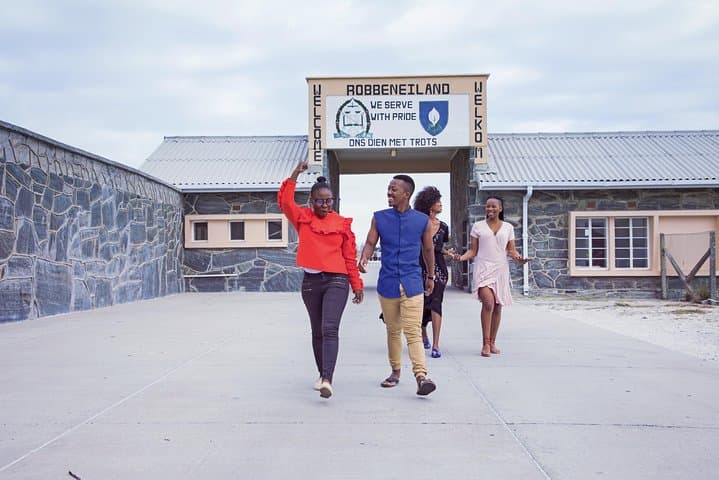
Robben Island carries layered history: a 19th-century leper station, a military base, and the limestone quarry where prisoners once labored. Most visitors come for the prison museum and the cell where Nelson Mandela served years of his sentence — a place that anchors South Africa’s modern political narrative. Geology here is straightforward: a low-lying, rocky outcrop shaped by wind and waves, with a few ruined quarries and a lighthouse that mark human attempts to manage the shoreline.
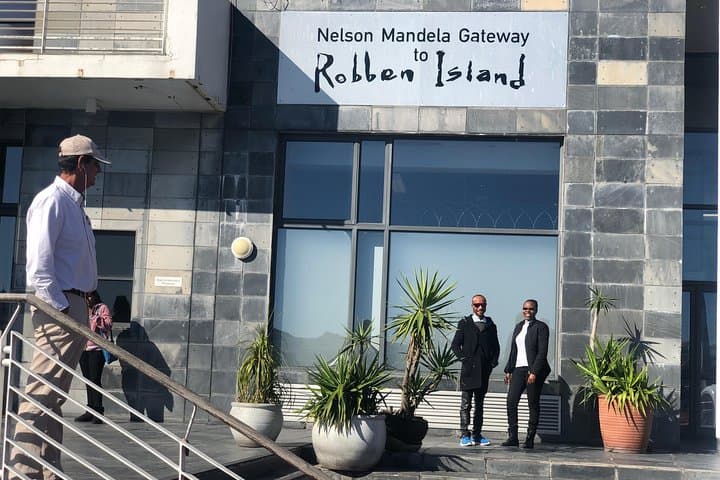
The standard half-day itinerary includes hotel transfer to the Nelson Mandela Gateway at the V&A Waterfront, a roughly 30-minute ferry each way, a resident island guide, and a bus loop to key sites before the walking tour of the prison precinct.
Practical details matter: bring a passport or acceptable copy for island authorities, dress in windproof layers and sturdy shoes, and plan for sea motion — crossings are canceled in bad weather and refunds are issued if the island operator calls it off. Photography is allowed but observe museum rules and the solemn nature of the site.
This visit is short on elevation but rich in context — an outdoor ferry passage that ends in one of South Africa’s most significant historical places.
easy.
4 hours.
Suitable for most fitness levels; minimal walking on uneven surfaces and short on-site walks are involved.
Yes — Robben Island authorities require passport or acceptable ID; provide full names and dates of birth when booking so official admission tickets can be allocated.
If the island operator cancels due to weather, the booking is canceled and a full refund is issued; bookings are otherwise non-refundable.
The tour is generally suitable for most fitness levels, but there are rocky surfaces, steps and bus transfers; contact the operator ahead to discuss specific accessibility needs.
South Africans are encouraged to purchase tickets directly from Robben Island at locally available rates rather than through this booking channel.
Robben Island served as a leper station, military base and prison; its most internationally known occupant was Nelson Mandela, who spent 18 of his 27 years of imprisonment here.
Robben Island is protected for its cultural heritage and sensitive marine and bird habitats; visitors should stick to paths, carry out litter, and respect wildlife to minimize impact.
Beyond Africa Safaris (Pty)Ltd operates guided outdoor trips and adventures with an emphasis on safety, stewardship, and memorable experiences.
The ferry slips free of the wharf and the Atlantic takes the wheel: cold spray, a steady thrum of engines, and the flat silhouette of Robben Island rising from the horizon. Within half an hour the city’s skyline is a fading ribbon and the island’s low, wind-scoured profile grows larger — its lichen-streaked rock and scrub exposed to a harsh ocean appetite.
The ferry slips free of the wharf and the Atlantic takes the wheel: cold spray, a steady thrum of engines, and the flat silhouette of Robben Island rising from the horizon. Within half an hour the city’s skyline is a fading ribbon and the island’s low, wind-scoured profile grows larger — its lichen-streaked rock and scrub exposed to a harsh ocean appetite.
Robben Island carries layered history: a 19th-century leper station, a military base, and the limestone quarry where prisoners once labored. Most visitors come for the prison museum and the cell where Nelson Mandela served years of his sentence — a place that anchors South Africa’s modern political narrative. Geology here is straightforward: a low-lying, rocky outcrop shaped by wind and waves, with a few ruined quarries and a lighthouse that mark human attempts to manage the shoreline.
The standard half-day itinerary includes hotel transfer to the Nelson Mandela Gateway at the V&A Waterfront, a roughly 30-minute ferry each way, a resident island guide, and a bus loop to key sites before the walking tour of the prison precinct.
Practical details matter: bring a passport or acceptable copy for island authorities, dress in windproof layers and sturdy shoes, and plan for sea motion — crossings are canceled in bad weather and refunds are issued if the island operator calls it off. Photography is allowed but observe museum rules and the solemn nature of the site.
This visit is short on elevation but rich in context — an outdoor ferry passage that ends in one of South Africa’s most significant historical places.