THE ADVENTURE COLLECTIVE® · Independent discovery and booking for outdoor travel

A compact, 3–4 hour journey from Cape Town that pairs a brisk ferry crossing with a guided visit to Robben Island’s prison and wildlife shoreline. Expect emotional history, penguins, and strong coastal winds.
A compact, 3–4 hour journey from Cape Town that pairs a brisk ferry crossing with a guided visit to Robben Island’s prison and wildlife shoreline. Expect emotional history, penguins, and strong coastal winds.
The ferry slips away from the Nelson Mandela Gateway and Cape Town’s skyline shrinks into a clean horizon; salt spray and wind push at your jacket as Table Mountain watches from the mainland. On the water, the island grows sharp—a flat, stony silhouette where history and wildlife share the same shore.
Verified experiences and guided adventures in the surrounding area.
Operated by HYM CAPE TOURS · Cape Town, Western Cape
The ferry slips away from the Nelson Mandela Gateway and Cape Town’s skyline shrinks into a clean horizon; salt spray and wind push at your jacket as Table Mountain watches from the mainland. On the water, the island grows sharp—a flat, stony silhouette where history and wildlife share the same shore.
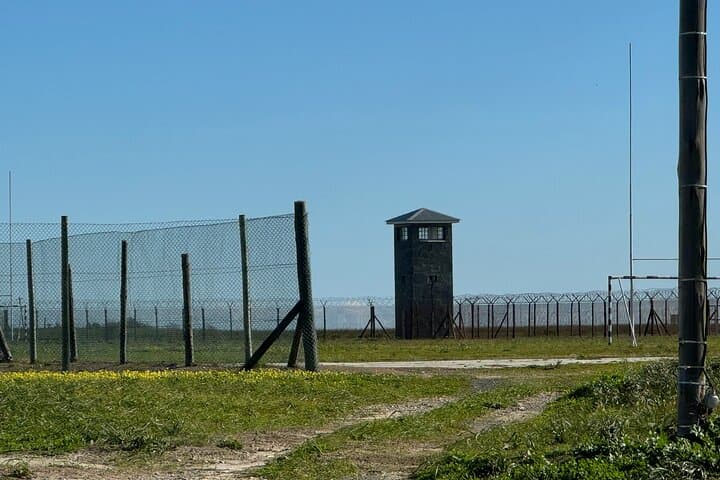
Robben Island’s history is layered: a 19th-century leper colony and British naval base preceded its most infamous role as a high-security prison during apartheid. Geologically the island is low and limestone-rich, its quarry scars visible from the ferry. Guides—often former political prisoners—move through memory and fact with measured cadence, leading visitors through the maximum security cells, past the quarry where prisoners worked, and across the cemetery that remembers earlier chapters.
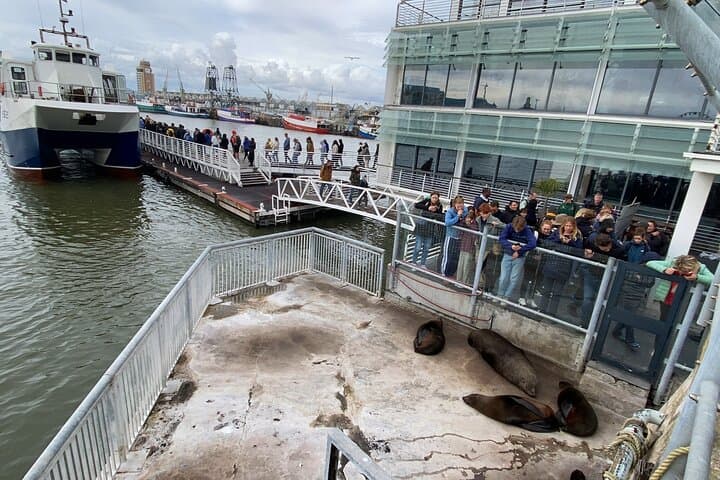
Natural life interrupts the solemn narrative: African penguins, Cape fur seals and terns claim coastal ledges and beaches, giving the place an urgent, living edge. Local culture is present in stories of resistance and reconciliation told at the Robben Island Museum and on the return ferry.
Practicalities: expect a 3–4 hour excursion including ferry transfer; seas can be rough—bring layered windproof clothing and anti-seasickness measures. The tour requires ID for ticketing, and departures are punctual; arrive early to clear security and check-in. Photography is allowed in public areas, but respect museum rules and quiet spaces inside the prison.
This half-day balances powerful history and straightforward logistics—an accessible, concentrated visit that requires minimal fitness but rewards attention and respect.
easy.
3–4 hours.
Suitable for most visitors; minimal walking on uneven surfaces and some steps on the island bus and inside the prison.
Yes — bring a passport or government ID (or an authorized digital/photo copy). Tickets are issued shortly before departure, and identification is checked at boarding.
Many areas are wheelchair accessible and transport options accommodate mobility needs, but contact the operator in advance to arrange specific assistance.
Very likely along the shoreline and rocky outcrops; sightings depend on season and tide but both African penguins and Cape fur seals are common.
Ferry cancellations are possible in high winds or rough seas; the operator’s cancellation policy allows refunds if cancelled at least 24 hours in advance or if the service is cancelled for safety reasons.
Robben Island served as a leper colony, military base and most notably a maximum security prison during apartheid where Nelson Mandela was incarcerated for 18 years.
The island is a protected reserve—stay on paths, avoid disturbing nesting birds, and do not feed wildlife to preserve fragile seabird colonies.
HYM CAPE TOURS operates guided outdoor trips and adventures with an emphasis on safety, stewardship, and memorable experiences.
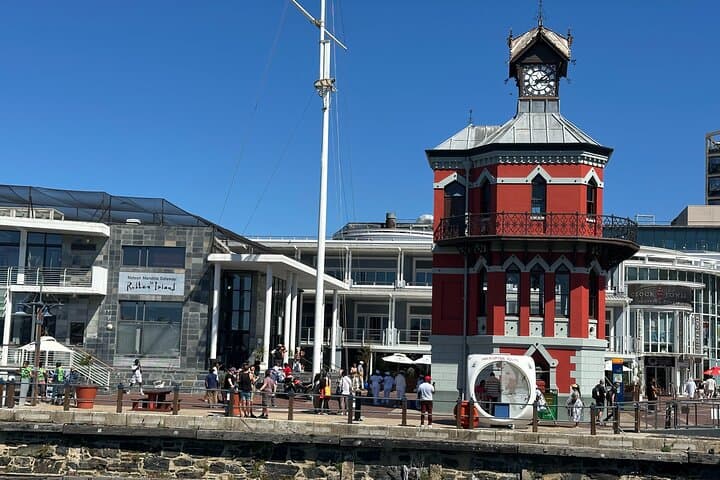
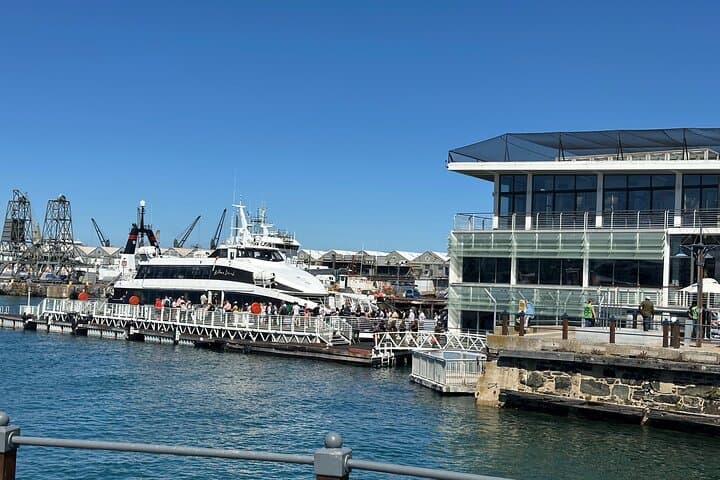
The ferry slips away from the Nelson Mandela Gateway and Cape Town’s skyline shrinks into a clean horizon; salt spray and wind push at your jacket as Table Mountain watches from the mainland. On the water, the island grows sharp—a flat, stony silhouette where history and wildlife share the same shore.
The ferry slips away from the Nelson Mandela Gateway and Cape Town’s skyline shrinks into a clean horizon; salt spray and wind push at your jacket as Table Mountain watches from the mainland. On the water, the island grows sharp—a flat, stony silhouette where history and wildlife share the same shore.
Robben Island’s history is layered: a 19th-century leper colony and British naval base preceded its most infamous role as a high-security prison during apartheid. Geologically the island is low and limestone-rich, its quarry scars visible from the ferry. Guides—often former political prisoners—move through memory and fact with measured cadence, leading visitors through the maximum security cells, past the quarry where prisoners worked, and across the cemetery that remembers earlier chapters.
Natural life interrupts the solemn narrative: African penguins, Cape fur seals and terns claim coastal ledges and beaches, giving the place an urgent, living edge. Local culture is present in stories of resistance and reconciliation told at the Robben Island Museum and on the return ferry.
Practicalities: expect a 3–4 hour excursion including ferry transfer; seas can be rough—bring layered windproof clothing and anti-seasickness measures. The tour requires ID for ticketing, and departures are punctual; arrive early to clear security and check-in. Photography is allowed in public areas, but respect museum rules and quiet spaces inside the prison.
This half-day balances powerful history and straightforward logistics—an accessible, concentrated visit that requires minimal fitness but rewards attention and respect.