THE ADVENTURE COLLECTIVE® · Independent discovery and booking for outdoor travel

Board a ferry from the V&A Waterfront for a half-day visit to Robben Island—where geology, prison ruins, and powerful guided narratives illuminate South Africa’s struggle for freedom. Expect a 4–5 hour outing with hotel transfer, a ferry crossing, and a reflective museum tour.
Board a ferry from the V&A Waterfront for a half-day visit to Robben Island—where geology, prison ruins, and powerful guided narratives illuminate South Africa’s struggle for freedom. Expect a 4–5 hour outing with hotel transfer, a ferry crossing, and a reflective museum tour.
The harbor air bites with ocean salt as the ferry slips away from the V&A Waterfront and Cape Town’s skyline shrinks behind you. Seabirds wheel; the sea seems to dare you forward toward a low, wind-scoured island that holds one of South Africa’s most intense chapters.
Verified experiences and guided adventures in the surrounding area.
Operated by Cape Wonders Tours · Cape Town, Western Cape
The harbor air bites with ocean salt as the ferry slips away from the V&A Waterfront and Cape Town’s skyline shrinks behind you. Seabirds wheel; the sea seems to dare you forward toward a low, wind-scoured island that holds one of South Africa’s most intense chapters.
Robben Island’s limestone bedrock and wind-polished shores reflect centuries of maritime history and geological erosion. From the 17th century onward it served as a colonial outpost, leper station, and—most famously—a maximum-security prison where Nelson Mandela and other political prisoners were held. The island’s concrete cells, quarry scars and guided narratives lay bare the mechanics of apartheid while offering views of Table Mountain and the city that shaped the resistance.
Culturally the site is both museum and memorial: guided tours (often led by former inmates) emphasize lived experience over abstraction, connecting visitors with oral histories and archival displays. The ferry crossing itself frames the visit—two-way passages typically run on set slots (commonly 08:00, 10:00, 12:00, 14:00) and the wind on deck warns you to layer up.
Practically, expect around 4–5 hours total door-to-door with hotel pick-up, a roughly 30–40 minute ferry each way, and a guided island circuit. Wear sturdy walking shoes for uneven quarry paths, bring sun protection and a refillable bottle. The tour is wheelchair-accessible in many areas, but check specific accessibility needs in advance. Photography is allowed in most outdoor zones but restricted in certain museum spaces. Arrive with a readiness to listen and reflect—the island asks for quiet attention as much as it rewards curiosity.
easy.
4–5 hours.
Suitable for most fitness levels; expect 1–2 miles of walking on uneven surfaces and steps
Yes; the ticket includes Robben Island Museum admission and the shared ferry crossing per the tour listing.
The ferry typically takes about 30–40 minutes each way, depending on sea conditions and the exact departure point.
Many areas are wheelchair-accessible and the operator lists accessibility accommodations, but confirm specific needs before booking to ensure a tailored pickup and island access plan.
Children are allowed; infants may need to sit on laps during transfers—check the provider’s age and seating policies when booking.
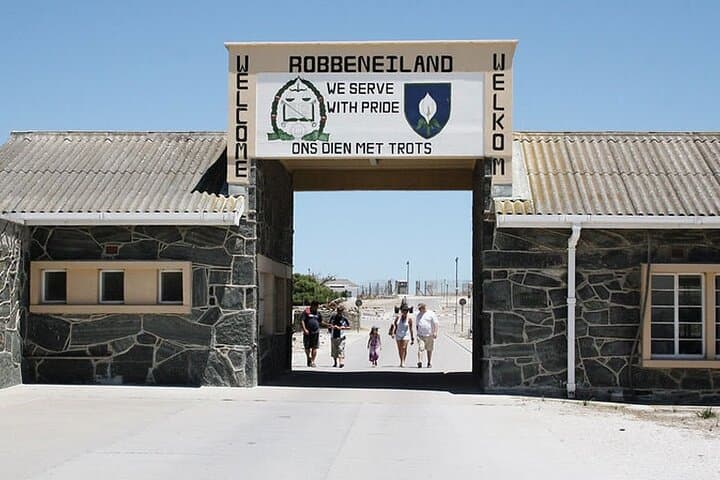
Robben Island has served shifting roles—from colonial outpost and leper colony to a prison central to apartheid-era repression—earning UNESCO World Heritage status for its political and cultural significance.
Visitor numbers are managed to protect fragile coastal habitats; stick to marked paths and follow guide instructions to minimize impact on nesting seabirds and native vegetation.
Cape Wonders Tours operates guided outdoor trips and adventures with an emphasis on safety, stewardship, and memorable experiences.

The harbor air bites with ocean salt as the ferry slips away from the V&A Waterfront and Cape Town’s skyline shrinks behind you. Seabirds wheel; the sea seems to dare you forward toward a low, wind-scoured island that holds one of South Africa’s most intense chapters.
The harbor air bites with ocean salt as the ferry slips away from the V&A Waterfront and Cape Town’s skyline shrinks behind you. Seabirds wheel; the sea seems to dare you forward toward a low, wind-scoured island that holds one of South Africa’s most intense chapters.
Robben Island’s limestone bedrock and wind-polished shores reflect centuries of maritime history and geological erosion. From the 17th century onward it served as a colonial outpost, leper station, and—most famously—a maximum-security prison where Nelson Mandela and other political prisoners were held. The island’s concrete cells, quarry scars and guided narratives lay bare the mechanics of apartheid while offering views of Table Mountain and the city that shaped the resistance.
Culturally the site is both museum and memorial: guided tours (often led by former inmates) emphasize lived experience over abstraction, connecting visitors with oral histories and archival displays. The ferry crossing itself frames the visit—two-way passages typically run on set slots (commonly 08:00, 10:00, 12:00, 14:00) and the wind on deck warns you to layer up.
Practically, expect around 4–5 hours total door-to-door with hotel pick-up, a roughly 30–40 minute ferry each way, and a guided island circuit. Wear sturdy walking shoes for uneven quarry paths, bring sun protection and a refillable bottle. The tour is wheelchair-accessible in many areas, but check specific accessibility needs in advance. Photography is allowed in most outdoor zones but restricted in certain museum spaces. Arrive with a readiness to listen and reflect—the island asks for quiet attention as much as it rewards curiosity.