THE ADVENTURE COLLECTIVE® · Independent discovery and booking for outdoor travel

Take a half-day ferry from Cape Town to Robben Island to visit Nelson Mandela’s former prison led by ex-political prisoners. This compact tour combines coastal scenery with a powerful history lesson and practical hotel transfers.
Take a half-day ferry from Cape Town to Robben Island to visit Nelson Mandela’s former prison led by ex-political prisoners. This compact tour combines coastal scenery with a powerful history lesson and practical hotel transfers.
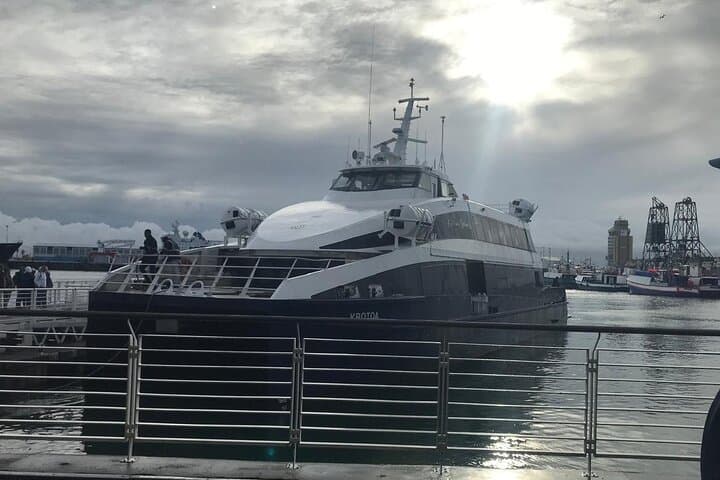
The ferry cuts a steady line across Table Bay, the city falling away until the shoreline is a distant band and Robben Island rises like a low, wind-swept rock. Salt wind pushes at your jacket; gulls wheel and call as the mainland shrinks behind Table Mountain’s unmistakable profile.
Verified experiences and guided adventures in the surrounding area.
Operated by Safari Private Tours. · Cape Town, Western Cape
The ferry cuts a steady line across Table Bay, the city falling away until the shoreline is a distant band and Robben Island rises like a low, wind-swept rock. Salt wind pushes at your jacket; gulls wheel and call as the mainland shrinks behind Table Mountain’s unmistakable profile.
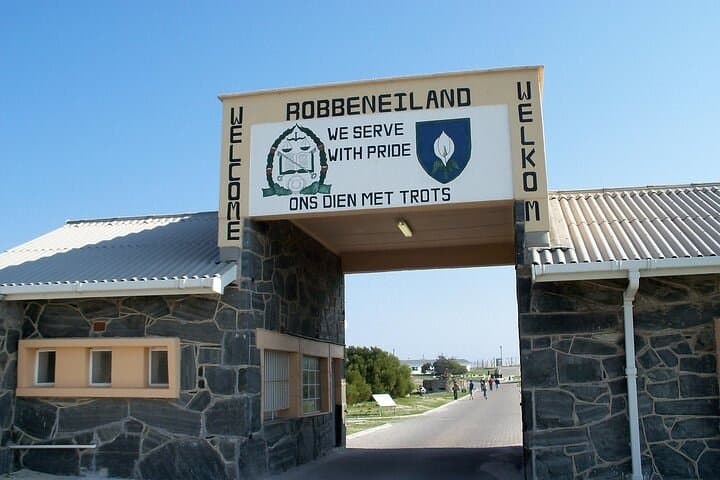
Robben Island is a UNESCO World Heritage Site defined by its layered past — a 17th-century fort, a leper station, a colonial quarry and, most dramatically, the prison that held political detainees during apartheid. Geologically the island is low-lying shale and limestone, exposed to strong southerly gales that shaped the sparse vegetation and made it a natural place of isolation. Cultural history here is raw and direct: ex-political prisoners serve as guides, leading visitors through the prison cells and the yard where Nelson Mandela spent 18 of his 27 years behind bars.
Expect about 4–4.5 hours from hotel pickup to return; ferry time depends on weather and scheduled departures (typical slots run 08:00–16:00). The island walk is short but informative — uneven surfaces, steps and outdoor exposure mean layers and sun protection are practical. Bottled water is provided and transportation uses air-conditioned vehicles for hotel transfers.
Practical notes: carry your mobile ticket and photo ID, arrive early for security screening, and be prepared for sudden wind or spray on the ferry. Weather can cancel crossings — operators will refund or reschedule Robben Island tickets if needed. The experience pairs close-up history with coastal views, delivering a compact, sobering half-day that rewards curiosity and respect.
easy.
4–5 hours.
Suitable for most travelers who can stand and walk short distances; some stairs and uneven surfaces on the island.
The full experience including transfers runs about 4–4.5 hours; the ferry crossing itself is approximately 30–45 minutes each way depending on conditions.
If crossings are cancelled for safety you can typically reschedule for another day or receive a refund for the island ticket—confirm options with your operator at booking.
Yes — the island tour is led by former political prisoners who provide firsthand accounts alongside historical context for the prison and island sites.
The tour involves some walking, steps and uneven surfaces; those with serious mobility limitations should check accessibility options and inform the operator in advance.
Robben Island served multiple roles over centuries—military fortification, leper colony and the apartheid-era prison where leaders like Nelson Mandela were incarcerated.
Visitor numbers and access are managed to protect seabird colonies and fragile vegetation; stay on marked paths, avoid feeding wildlife and follow guide instructions to minimize impact.
Safari Private Tours. operates guided outdoor trips and adventures with an emphasis on safety, stewardship, and memorable experiences.

The ferry cuts a steady line across Table Bay, the city falling away until the shoreline is a distant band and Robben Island rises like a low, wind-swept rock. Salt wind pushes at your jacket; gulls wheel and call as the mainland shrinks behind Table Mountain’s unmistakable profile.
The ferry cuts a steady line across Table Bay, the city falling away until the shoreline is a distant band and Robben Island rises like a low, wind-swept rock. Salt wind pushes at your jacket; gulls wheel and call as the mainland shrinks behind Table Mountain’s unmistakable profile.
Robben Island is a UNESCO World Heritage Site defined by its layered past — a 17th-century fort, a leper station, a colonial quarry and, most dramatically, the prison that held political detainees during apartheid. Geologically the island is low-lying shale and limestone, exposed to strong southerly gales that shaped the sparse vegetation and made it a natural place of isolation. Cultural history here is raw and direct: ex-political prisoners serve as guides, leading visitors through the prison cells and the yard where Nelson Mandela spent 18 of his 27 years behind bars.
Expect about 4–4.5 hours from hotel pickup to return; ferry time depends on weather and scheduled departures (typical slots run 08:00–16:00). The island walk is short but informative — uneven surfaces, steps and outdoor exposure mean layers and sun protection are practical. Bottled water is provided and transportation uses air-conditioned vehicles for hotel transfers.
Practical notes: carry your mobile ticket and photo ID, arrive early for security screening, and be prepared for sudden wind or spray on the ferry. Weather can cancel crossings — operators will refund or reschedule Robben Island tickets if needed. The experience pairs close-up history with coastal views, delivering a compact, sobering half-day that rewards curiosity and respect.