THE ADVENTURE COLLECTIVE® · Independent discovery and booking for outdoor travel

Cross the Atlantic short of shore to Robben Island, where guided tours trace Nelson Mandela’s footsteps, then return to explore the Cape Diamond Museum at the Nelson Mandela Gateway. This combined half-day pairs powerful history with geological context and practical logistics from the V&A Waterfront.
Cross the Atlantic short of shore to Robben Island, where guided tours trace Nelson Mandela’s footsteps, then return to explore the Cape Diamond Museum at the Nelson Mandela Gateway. This combined half-day pairs powerful history with geological context and practical logistics from the V&A Waterfront.
You feel the harbor’s pull before the ferry leaves: gulls circling, winch of ropes, the cold Atlantic pushing at the jetty as the V&A Waterfront recedes.
Verified experiences and guided adventures in the surrounding area.
Operated by Beyond Africa Safaris (Pty)Ltd · Cape Town, Western Cape
You feel the harbor’s pull before the ferry leaves: gulls circling, winch of ropes, the cold Atlantic pushing at the jetty as the V&A Waterfront recedes.
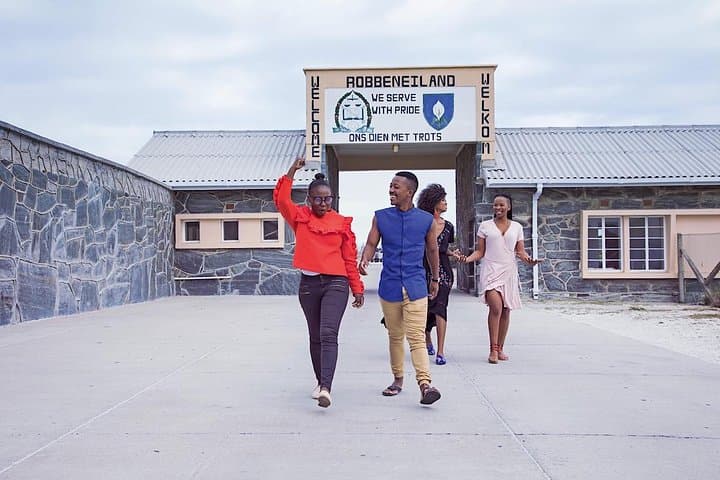
The crossing to Robben Island is brief but decisive — the sea seems to dare you to look away — and the island’s low silhouette holds a heavy history. Tours are led by resident guides, many of whom were detained there; their firsthand narratives turn concrete cells into clear markers of South Africa’s fight for freedom. The bus circuit finishes at the cell where Nelson Mandela was held and along the route known as the Long March to Freedom.
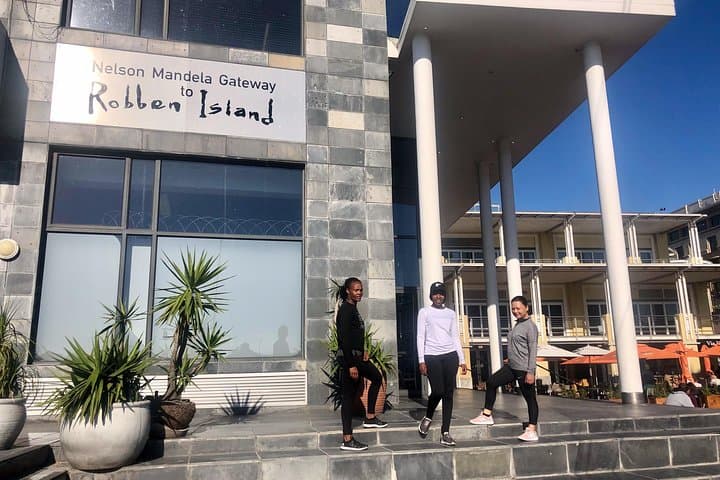
Before the island, the itinerary includes the Cape Diamond Museum at the Nelson Mandela Gateway. The museum explains Kimberlite pipes, the 3-billion-year geology that birthed South Africa’s famous stones, and displays life-size replicas of the Cullinan and other notable gems, framed alongside the industry’s complex colonial history.
Practically: the combined experience runs about five hours from V&A Waterfront, includes round-trip ferry and island bus tour, and offers hotel pickup. Passports and full names are required for ticketing; all sales are final and tours may cancel in bad weather. Seasickness medication is wise on choppy days, and windproof layers make the open-deck crossing manageable. Accessibility is generally good — the operation lists wheelchair and stroller access — but island surfaces can be uneven, so sturdy footwear helps.
This half-day balances historical gravity with concise logistics: arrive early, carry ID, and allow the island’s voices to set the pace of the visit.
easy.
4–5 hours.
Suitable for most fitness levels; involves short walks and standing during the ferry and island bus tour.
The combined tour runs about five hours from hotel pickup to return to the V&A Waterfront, including the Diamond Museum visit and the Robben Island ferry and bus tour.
Yes — accurate full names and passport numbers are required when booking and for check-in at the Nelson Mandela Gateway.
The operator lists wheelchair and stroller accessibility, but some island surfaces are uneven—check specific mobility needs with the vendor before booking.
Yes — the Shimansky jeweller adjacent to the museum offers pieces for sale, but purchases are optional and not required for entry.
Robben Island served as a political prison during apartheid; Nelson Mandela’s incarceration there (1964–1990) made the site central to South Africa’s liberation story.
Robben Island is both a heritage site and ecological reserve — visitors are asked to respect protected habitats and avoid disturbing nesting birds or removing artifacts.
Beyond Africa Safaris (Pty)Ltd operates guided outdoor trips and adventures with an emphasis on safety, stewardship, and memorable experiences.
You feel the harbor’s pull before the ferry leaves: gulls circling, winch of ropes, the cold Atlantic pushing at the jetty as the V&A Waterfront recedes.
You feel the harbor’s pull before the ferry leaves: gulls circling, winch of ropes, the cold Atlantic pushing at the jetty as the V&A Waterfront recedes.
The crossing to Robben Island is brief but decisive — the sea seems to dare you to look away — and the island’s low silhouette holds a heavy history. Tours are led by resident guides, many of whom were detained there; their firsthand narratives turn concrete cells into clear markers of South Africa’s fight for freedom. The bus circuit finishes at the cell where Nelson Mandela was held and along the route known as the Long March to Freedom.
Before the island, the itinerary includes the Cape Diamond Museum at the Nelson Mandela Gateway. The museum explains Kimberlite pipes, the 3-billion-year geology that birthed South Africa’s famous stones, and displays life-size replicas of the Cullinan and other notable gems, framed alongside the industry’s complex colonial history.
Practically: the combined experience runs about five hours from V&A Waterfront, includes round-trip ferry and island bus tour, and offers hotel pickup. Passports and full names are required for ticketing; all sales are final and tours may cancel in bad weather. Seasickness medication is wise on choppy days, and windproof layers make the open-deck crossing manageable. Accessibility is generally good — the operation lists wheelchair and stroller access — but island surfaces can be uneven, so sturdy footwear helps.
This half-day balances historical gravity with concise logistics: arrive early, carry ID, and allow the island’s voices to set the pace of the visit.