THE ADVENTURE COLLECTIVE® · Independent discovery and booking for outdoor travel

Take a 30-minute ferry from the V&A Waterfront to Robben Island for a guided visit to the maximum security prison where Nelson Mandela was held. This 3–4 hour half-day tour combines a sea crossing with a powerful, ex-inmate–led history walk across the island’s quarries and cells.
Take a 30-minute ferry from the V&A Waterfront to Robben Island for a guided visit to the maximum security prison where Nelson Mandela was held. This 3–4 hour half-day tour combines a sea crossing with a powerful, ex-inmate–led history walk across the island’s quarries and cells.
A brisk wind off Table Bay hits the ferry as it slips away from the V&A Waterfront; the city’s silhouette shrinks and the Atlantic opens, daring you to look back. Thirty minutes later the ferry nudges up to Robben Island’s shore—low, rocky, and exposed—and you step onto a landscape shaped by sea, quarry work and confinement.
Verified experiences and guided adventures in the surrounding area.
Operated by Remigeous Tsuro · Cape Town, Western Cape
A brisk wind off Table Bay hits the ferry as it slips away from the V&A Waterfront; the city’s silhouette shrinks and the Atlantic opens, daring you to look back. Thirty minutes later the ferry nudges up to Robben Island’s shore—low, rocky, and exposed—and you step onto a landscape shaped by sea, quarry work and confinement.
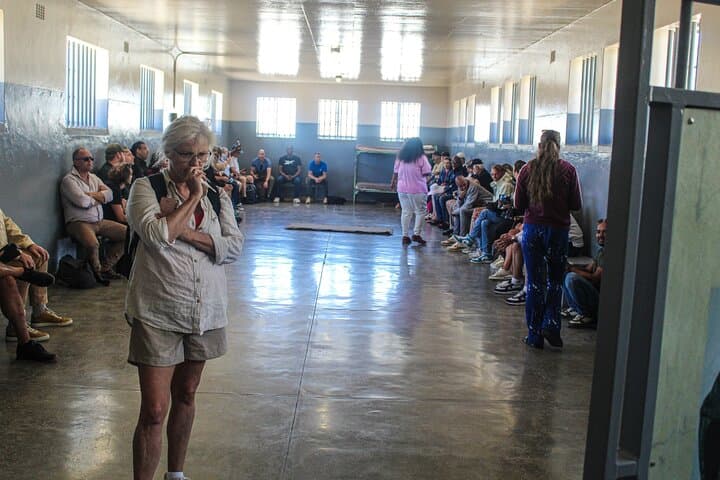
Robben Island’s geology is flat basalt and glacially smoothed rock with visible quarried bluestone and lime pits where prisoners once labored. The island’s history is blunt: a leper colony, a military outpost, and most famously a maximum-security prison that held anti-apartheid activists, including Nelson Mandela. Ex-inmate guides lead most tours, mixing first-person testimony with precise details—cells, the lime quarry, Robert Sobukwe’s house and the small cemetery for those who died of leprosy.
Culture here is raw and human; the island’s stories are told by people who lived them. The surrounding ocean can be restless—expect wind, spray and bright light that makes the flat landscape feel severe and immediate.
Practicalities: the full experience is about 3–4 hours (30-minute ferry each way, ~2-hour guided walk). Surfaces are mostly flat but uneven; some short walks and steps required. Bring government ID or passport for check-in at the Nelson Mandela Gateway, carry motion-sickness medication if you’re prone, and dress in layers—winds can be cold even on sunny days. Respect the site: photography rules may apply in certain areas and guides ask for attentive silence in cells. The visit is eye-opening, short on frill and long on history—an essential Cape Town experience that pairs outdoor exposure with deep cultural context.
easy.
3–4 hours.
Light walking on mostly flat but uneven surfaces; suitable for most fitness levels
The ferry ride from the Nelson Mandela Gateway to Robben Island takes about 30 minutes each way.
The tour involves uneven ground and some steps; there are limited accessibility accommodations—contact operators in advance to discuss needs.
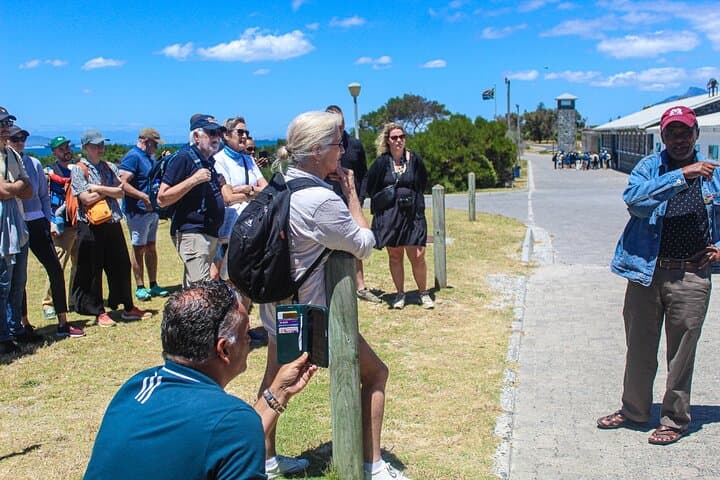
Many tours are led by ex-political prisoners who provide first-hand accounts; these guides share personal history alongside factual interpretation.
Bring your electronic ticket or booking reference, government-issued ID or passport, water, sun protection and any necessary medication (e.g., for sea sickness).
Robben Island served variously as a leper colony, military base and maximum-security prison; its prison population included many anti-apartheid leaders, most famously Nelson Mandela.
The island is part of a nature reserve; visitors are asked to stick to paths, avoid disturbing bird colonies, and carry out any waste to minimize impact.
Remigeous Tsuro operates guided outdoor trips and adventures with an emphasis on safety, stewardship, and memorable experiences.
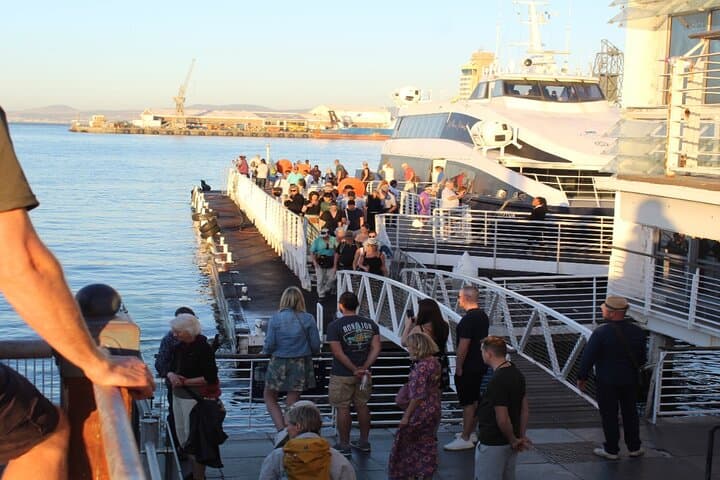
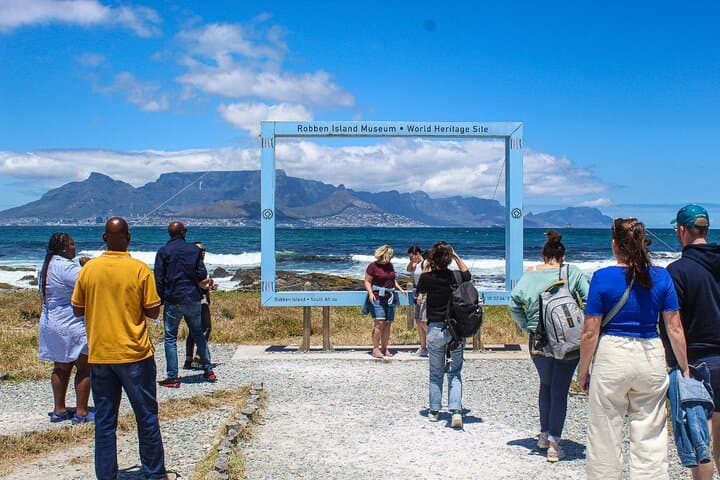
A brisk wind off Table Bay hits the ferry as it slips away from the V&A Waterfront; the city’s silhouette shrinks and the Atlantic opens, daring you to look back. Thirty minutes later the ferry nudges up to Robben Island’s shore—low, rocky, and exposed—and you step onto a landscape shaped by sea, quarry work and confinement.
A brisk wind off Table Bay hits the ferry as it slips away from the V&A Waterfront; the city’s silhouette shrinks and the Atlantic opens, daring you to look back. Thirty minutes later the ferry nudges up to Robben Island’s shore—low, rocky, and exposed—and you step onto a landscape shaped by sea, quarry work and confinement.
Robben Island’s geology is flat basalt and glacially smoothed rock with visible quarried bluestone and lime pits where prisoners once labored. The island’s history is blunt: a leper colony, a military outpost, and most famously a maximum-security prison that held anti-apartheid activists, including Nelson Mandela. Ex-inmate guides lead most tours, mixing first-person testimony with precise details—cells, the lime quarry, Robert Sobukwe’s house and the small cemetery for those who died of leprosy.
Culture here is raw and human; the island’s stories are told by people who lived them. The surrounding ocean can be restless—expect wind, spray and bright light that makes the flat landscape feel severe and immediate.
Practicalities: the full experience is about 3–4 hours (30-minute ferry each way, ~2-hour guided walk). Surfaces are mostly flat but uneven; some short walks and steps required. Bring government ID or passport for check-in at the Nelson Mandela Gateway, carry motion-sickness medication if you’re prone, and dress in layers—winds can be cold even on sunny days. Respect the site: photography rules may apply in certain areas and guides ask for attentive silence in cells. The visit is eye-opening, short on frill and long on history—an essential Cape Town experience that pairs outdoor exposure with deep cultural context.