THE ADVENTURE COLLECTIVE® · Independent discovery and booking for outdoor travel

Board a ferry from Cape Town for a four‑hour guided visit to Robben Island — tour the quarry, Mandela’s cell with an ex‑prisoner guide, and a small penguin colony while taking in Table Bay views. Practical tips help you plan for wind, sun, and ferry schedules.
Board a ferry from Cape Town for a four‑hour guided visit to Robben Island — tour the quarry, Mandela’s cell with an ex‑prisoner guide, and a small penguin colony while taking in Table Bay views. Practical tips help you plan for wind, sun, and ferry schedules.
You step off the ferry and the wind from Table Bay meets you first — cool, salt-laced, and insistent — as the island's low profile unfolds under the shadow of Table Mountain.
Verified experiences and guided adventures in the surrounding area.
Operated by Raw African Safaris · Cape Town, Western Cape
You step off the ferry and the wind from Table Bay meets you first — cool, salt-laced, and insistent — as the island's low profile unfolds under the shadow of Table Mountain.
Robben Island's landscape is spare: wind-swept grass, a pale quarry where inmates once heaved stone, and the grey block of the prison museum. The bus tour traces this geography while an accredited guide outlines the island's long arc — from 17th-century colonial outpost to a 20th-century political prison. The most intimate layer arrives in the museum: an ex-prisoner who walked the same yards and can point to Mandela’s cell with the authority of memory.
Geologically the island is part of the Table Mountain group, shaped by Cape granite and erosion, its bedrock exposed where prisoners quarried white stone. Culturally, the site is central to South Africa's transition narrative — sobering, direct, and carefully preserved.
Practicalities matter here. Ferries cross Table Bay on a set schedule; the round trip plus tour runs about four hours. Expect paved and uneven walking surfaces, a bus loop, and opportunities for photography at vantage points over the bay and the small African penguin colony.
Plan for sun and wind: layered clothing, sturdy shoes, and water will make the visit comfortable. Allow time in Cape Town for reconfirmation and arrival at the ferry terminal. This half-day tour mixes living history with coastal wildlife and offers a compact, powerful window into South Africa’s past and its living memory.
easy.
4 hours.
Light walking ability is sufficient; most of the tour is on a bus with short on‑foot sections.
The full experience, including return ferry and guided tours, is about four hours.
Yes — the guided museum visit includes Nelson Mandela’s cell, typically explained by an ex‑prisoner guide.
Yes — the ferry departs from the V&A Waterfront area where public transport and taxis are available; arrive early for check‑in.
The tour is suitable for most ages, but it's not recommended for people with serious mobility or cardiovascular issues due to ferry travel and some uneven walking areas.
Robben Island served as a political prison during apartheid; key leaders including Nelson Mandela were incarcerated here, and the site played a pivotal role in South Africa’s democratic transition.
The island is a protected heritage and nature reserve—stay on designated paths, avoid disturbing wildlife like the penguin colony, and follow guide instructions to minimize impact.
Raw African Safaris operates guided outdoor trips and adventures with an emphasis on safety, stewardship, and memorable experiences.
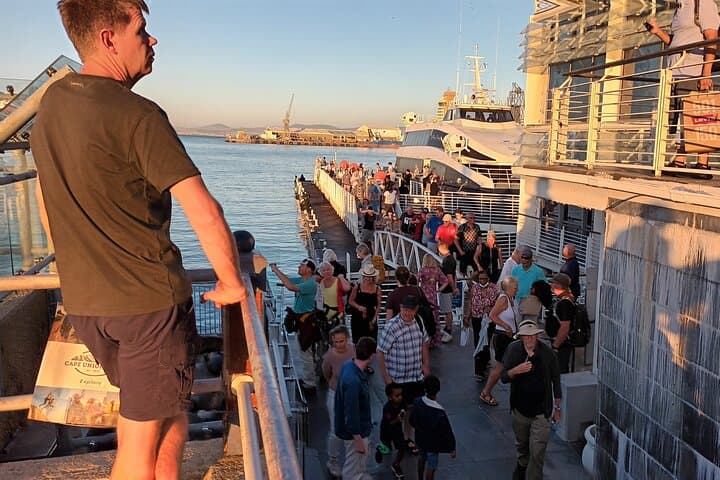


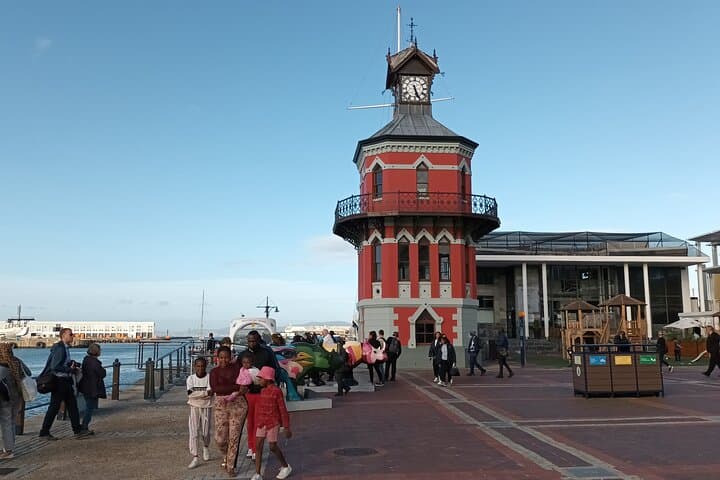
You step off the ferry and the wind from Table Bay meets you first — cool, salt-laced, and insistent — as the island's low profile unfolds under the shadow of Table Mountain.
You step off the ferry and the wind from Table Bay meets you first — cool, salt-laced, and insistent — as the island's low profile unfolds under the shadow of Table Mountain.
Robben Island's landscape is spare: wind-swept grass, a pale quarry where inmates once heaved stone, and the grey block of the prison museum. The bus tour traces this geography while an accredited guide outlines the island's long arc — from 17th-century colonial outpost to a 20th-century political prison. The most intimate layer arrives in the museum: an ex-prisoner who walked the same yards and can point to Mandela’s cell with the authority of memory.
Geologically the island is part of the Table Mountain group, shaped by Cape granite and erosion, its bedrock exposed where prisoners quarried white stone. Culturally, the site is central to South Africa's transition narrative — sobering, direct, and carefully preserved.
Practicalities matter here. Ferries cross Table Bay on a set schedule; the round trip plus tour runs about four hours. Expect paved and uneven walking surfaces, a bus loop, and opportunities for photography at vantage points over the bay and the small African penguin colony.
Plan for sun and wind: layered clothing, sturdy shoes, and water will make the visit comfortable. Allow time in Cape Town for reconfirmation and arrival at the ferry terminal. This half-day tour mixes living history with coastal wildlife and offers a compact, powerful window into South Africa’s past and its living memory.