THE ADVENTURE COLLECTIVE® · Independent discovery and booking for outdoor travel

Take a 40-minute ferry from Cape Town to Robben Island and follow former inmates and wardens through the prison museum, quarries, and Mandela’s cell. This half-day tour pairs a dramatic sea crossing with personal, first-hand history and straightforward logistics.
Take a 40-minute ferry from Cape Town to Robben Island and follow former inmates and wardens through the prison museum, quarries, and Mandela’s cell. This half-day tour pairs a dramatic sea crossing with personal, first-hand history and straightforward logistics.
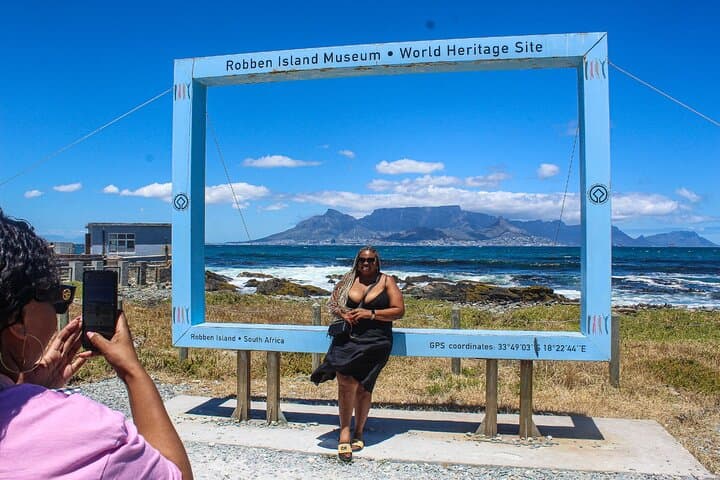
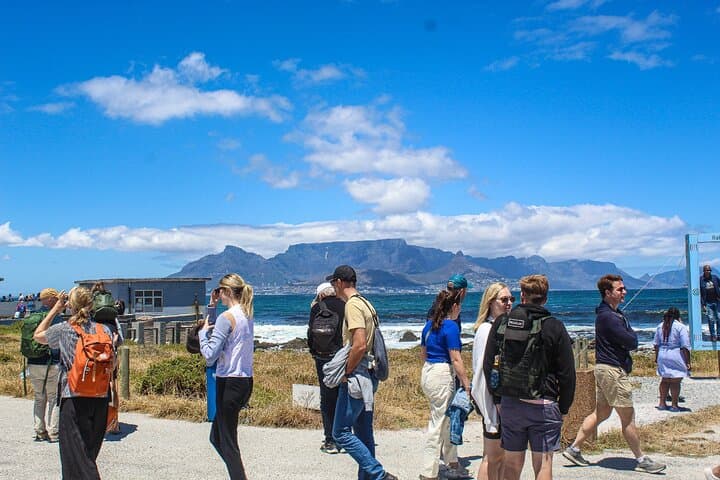
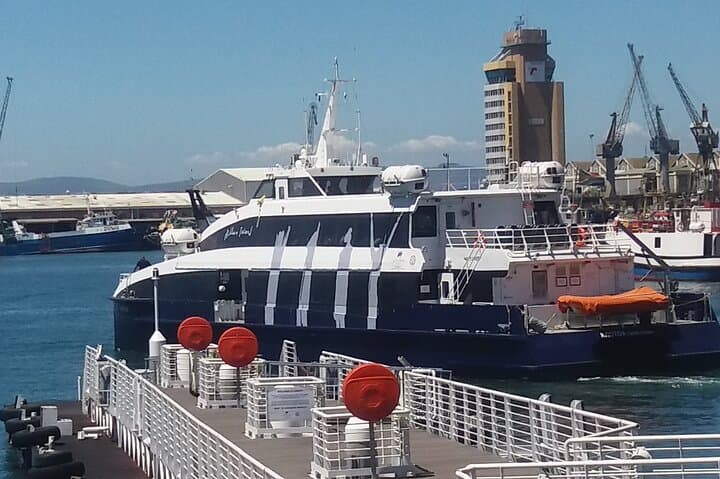
The ferry slips away from the V&A Waterfront and Cape Town shrinks behind you: Table Mountain watches from a ridge of cloud while the Atlantic pushes the boat forward, insisting you pay attention. By the time land appears again it is the flat, wind-scoured silhouette of Robben Island — an island that feels both remote and tightly bound to South Africa’s recent history.
Verified experiences and guided adventures in the surrounding area.
Operated by Flamboyant Travel and Tours · Cape Town, Western Cape
The ferry slips away from the V&A Waterfront and Cape Town shrinks behind you: Table Mountain watches from a ridge of cloud while the Atlantic pushes the boat forward, insisting you pay attention. By the time land appears again it is the flat, wind-scoured silhouette of Robben Island — an island that feels both remote and tightly bound to South Africa’s recent history.
Robben Island’s story is raw and public: a World Heritage site where political prisoners, including Nelson Mandela, were held. Ex-prisoners and former wardens now serve as guides, turning memory into testimony as you ride the museum bus past the blue quarry and the small houses used by staff and inmates. The island’s low profile is the result of human use as much as geology — quarries, lime kilns, and fortifications mark a landscape shaped by extraction and confinement.
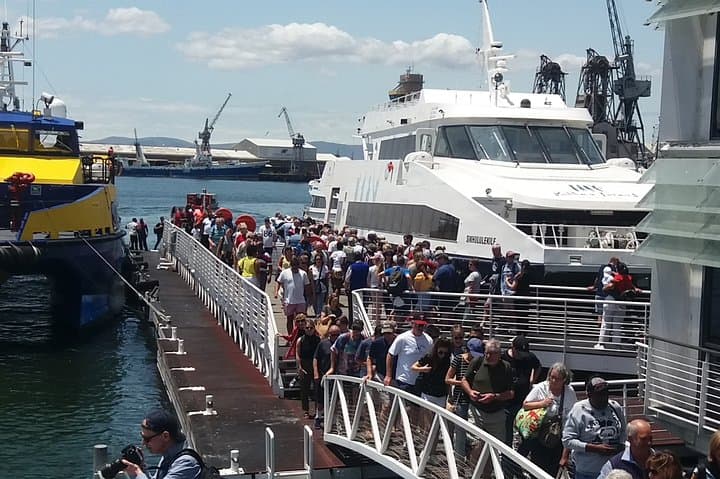
Expect a structured visit: a 40-minute ferry each way, a guided bus loop, and a walk to Mandela’s cell. The emotional core is the prison tour led by someone who lived the story; photography is allowed in many areas but restricted in specific memorial spaces. Practicalities matter: book well in advance, bring ID for check-in at the ferry terminal, and allow roughly four hours for pickup, crossing, tour, and return.
Wear layered, windproof clothing and sturdy shoes for uneven paths; the sea can turn choppy and the island is exposed. Respect signage and the guides’ narratives — this is a place of memory and ongoing reconciliation, not a scenic backdrop. With preparation, the visit is a compact, powerful half-day that pairs Cape Town’s coastal drama with one of the country’s most important living histories.
easy.
4 hours.
Suitable for most fitness levels; involves short walks on uneven ground and standing during the prison tour.
The ferry crossing typically takes about 40 minutes each way, but allow extra time for boarding and check-in.
Yes — the tour uses accredited guides who include ex-political prisoners and former wardens who share first-hand accounts of life on the island.
The tour is broadly suitable for families and those with moderate mobility, but there is walking on uneven ground; contact the operator about accessibility needs before booking.
Visitors can see Mandela’s former cell as part of the tour; photography rules vary by area, so follow the guide’s directions and respect restricted spaces.
Robben Island served as a prison and leper colony and is now a UNESCO World Heritage site whose museum documents apartheid-era incarceration and the struggle for freedom.
The island’s shoreline and habitats are fragile; visitors should stay on designated paths, avoid disturbing wildlife, and support tours that follow sustainable visitor management.
Flamboyant Travel and Tours operates guided outdoor trips and adventures with an emphasis on safety, stewardship, and memorable experiences.
The ferry slips away from the V&A Waterfront and Cape Town shrinks behind you: Table Mountain watches from a ridge of cloud while the Atlantic pushes the boat forward, insisting you pay attention. By the time land appears again it is the flat, wind-scoured silhouette of Robben Island — an island that feels both remote and tightly bound to South Africa’s recent history.
The ferry slips away from the V&A Waterfront and Cape Town shrinks behind you: Table Mountain watches from a ridge of cloud while the Atlantic pushes the boat forward, insisting you pay attention. By the time land appears again it is the flat, wind-scoured silhouette of Robben Island — an island that feels both remote and tightly bound to South Africa’s recent history.
Robben Island’s story is raw and public: a World Heritage site where political prisoners, including Nelson Mandela, were held. Ex-prisoners and former wardens now serve as guides, turning memory into testimony as you ride the museum bus past the blue quarry and the small houses used by staff and inmates. The island’s low profile is the result of human use as much as geology — quarries, lime kilns, and fortifications mark a landscape shaped by extraction and confinement.
Expect a structured visit: a 40-minute ferry each way, a guided bus loop, and a walk to Mandela’s cell. The emotional core is the prison tour led by someone who lived the story; photography is allowed in many areas but restricted in specific memorial spaces. Practicalities matter: book well in advance, bring ID for check-in at the ferry terminal, and allow roughly four hours for pickup, crossing, tour, and return.
Wear layered, windproof clothing and sturdy shoes for uneven paths; the sea can turn choppy and the island is exposed. Respect signage and the guides’ narratives — this is a place of memory and ongoing reconciliation, not a scenic backdrop. With preparation, the visit is a compact, powerful half-day that pairs Cape Town’s coastal drama with one of the country’s most important living histories.