THE ADVENTURE COLLECTIVE® · Independent discovery and booking for outdoor travel

Board a 5‑hour ferry and stand where history and geology meet: Robben Island’s prison cells, quarry and lighthouse lay out a concise, powerful account of South Africa’s past. This half-day tour pairs sea travel with museum-guided storytelling — plan for wind, sun and emotional weight.
Board a 5‑hour ferry and stand where history and geology meet: Robben Island’s prison cells, quarry and lighthouse lay out a concise, powerful account of South Africa’s past. This half-day tour pairs sea travel with museum-guided storytelling — plan for wind, sun and emotional weight.
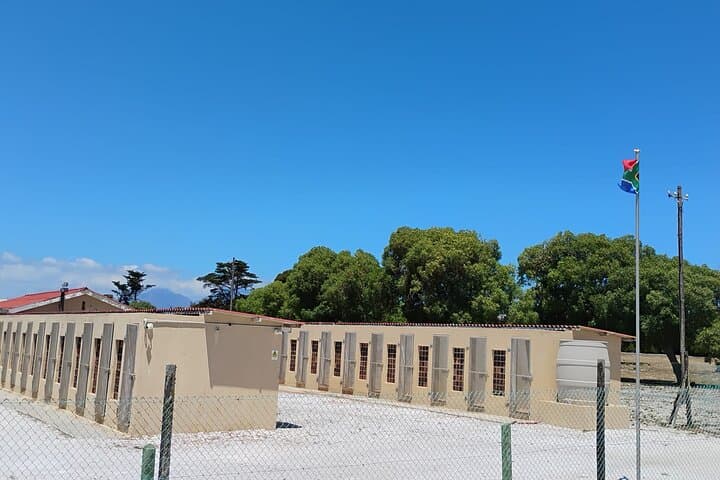
The ferry pushes off from Cape Town and the city slips aft — Table Mountain standing like a low ridge on the horizon as gulls wheel and salt spray cools your face. The island itself appears as a flattened, wind-scoured silhouette: low limestone cliffs, a solitary lighthouse, and the compact lines of the former prison compound.
Verified experiences and guided adventures in the surrounding area.
Operated by Adolph Touring · Cape Town, Western Cape
The ferry pushes off from Cape Town and the city slips aft — Table Mountain standing like a low ridge on the horizon as gulls wheel and salt spray cools your face. The island itself appears as a flattened, wind-scoured silhouette: low limestone cliffs, a solitary lighthouse, and the compact lines of the former prison compound.
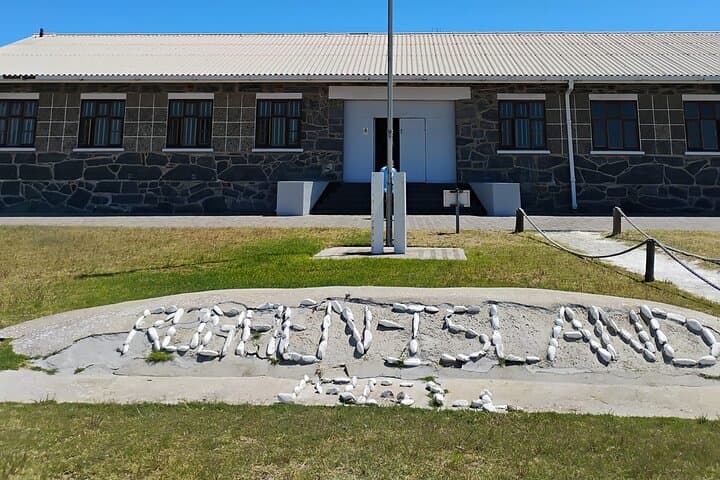
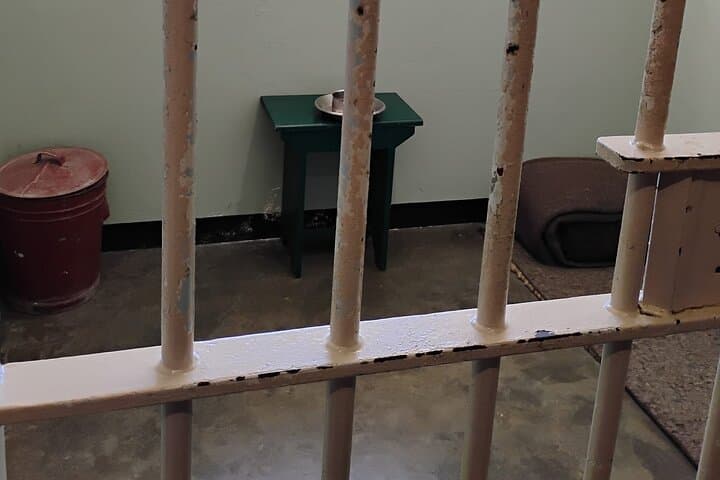
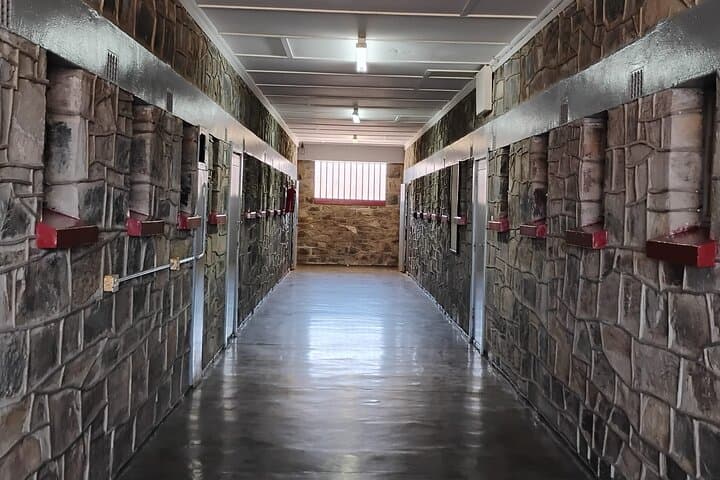
Robben Island’s story is both geological and human. A product of sedimentary limestone and coastal erosion, the island provided the hard labour setting for the quarry where many political prisoners worked. It later became an icon of South Africa’s apartheid-era incarcerations; Nelson Mandela’s long confinement here anchors the guided museum experience. Tours are often led by former inmates or trained guides who link place, policy and personal memory.
On arrival expect firm paths, short interpretive walks and access to cells, the quarry and the small museum. Wildlife punctuates the visit — shorebirds forage along the flats and a small colony of African penguins has occasionally been recorded; seals and kelp beds sit in the surrounding seas.
Practical guidance: the full excursion runs about five hours including round-trip ferry transfers; it’s wheelchair-accessible but exposed to wind and spray. Dress in layers, bring motion-sickness measures if you’re prone, and keep cameras ready but conversations respectful — this is an active heritage site. Check tide and ferry schedules before booking, and allow extra time for Cape Town pickup and security checks. Stick to paths to protect fragile vegetation and nesting birds.
easy.
5 hours.
Light fitness — mainly standing during ferry transit and short, mostly flat walks on the island
The listed duration is approximately 5 hours total, including ferry transfers to and from Cape Town and the guided island visit.
Yes — the operator lists wheelchair accessibility for most areas, but checking specific mobility needs in advance is recommended.
You may see seabirds and occasionally African penguins; sightings are seasonal and not guaranteed, so view them as a bonus to the historical visit.
Carry government-issued ID or passport as ferry operators typically require ID at check-in; bring printed or mobile tickets as instructed.
Robben Island served as a place of banishment and imprisonment for centuries and became internationally notable for holding political prisoners under apartheid; it was declared a UNESCO World Heritage Site in 1999.
The island is managed as a museum and protected area; visitors are asked to stick to paths to protect nesting birds and fragile coastal vegetation.
Adolph Touring operates guided outdoor trips and adventures with an emphasis on safety, stewardship, and memorable experiences.
The ferry pushes off from Cape Town and the city slips aft — Table Mountain standing like a low ridge on the horizon as gulls wheel and salt spray cools your face. The island itself appears as a flattened, wind-scoured silhouette: low limestone cliffs, a solitary lighthouse, and the compact lines of the former prison compound.
The ferry pushes off from Cape Town and the city slips aft — Table Mountain standing like a low ridge on the horizon as gulls wheel and salt spray cools your face. The island itself appears as a flattened, wind-scoured silhouette: low limestone cliffs, a solitary lighthouse, and the compact lines of the former prison compound.
Robben Island’s story is both geological and human. A product of sedimentary limestone and coastal erosion, the island provided the hard labour setting for the quarry where many political prisoners worked. It later became an icon of South Africa’s apartheid-era incarcerations; Nelson Mandela’s long confinement here anchors the guided museum experience. Tours are often led by former inmates or trained guides who link place, policy and personal memory.
On arrival expect firm paths, short interpretive walks and access to cells, the quarry and the small museum. Wildlife punctuates the visit — shorebirds forage along the flats and a small colony of African penguins has occasionally been recorded; seals and kelp beds sit in the surrounding seas.
Practical guidance: the full excursion runs about five hours including round-trip ferry transfers; it’s wheelchair-accessible but exposed to wind and spray. Dress in layers, bring motion-sickness measures if you’re prone, and keep cameras ready but conversations respectful — this is an active heritage site. Check tide and ferry schedules before booking, and allow extra time for Cape Town pickup and security checks. Stick to paths to protect fragile vegetation and nesting birds.