THE ADVENTURE COLLECTIVE® · Independent discovery and booking for outdoor travel

Take a four-hour ferry from the V&A Waterfront to Robben Island: a guided tour through the former prison where Nelson Mandela was held, with powerful history, ocean views and wildlife sightings. Practical tips on timing, what to bring, and accessibility help you plan.
Take a four-hour ferry from the V&A Waterfront to Robben Island: a guided tour through the former prison where Nelson Mandela was held, with powerful history, ocean views and wildlife sightings. Practical tips on timing, what to bring, and accessibility help you plan.
The ferry slips away from the V&A Waterfront with Table Mountain shrinking into a flat, sculpted silhouette and the harbor breeze nudging the bow. Waves nudge and push the vessel toward Robben Island — a low, wind-swept landform where sea and history meet. On clear days the ocean flashes silver; on windy afternoons the channel dares you to hold your hat.
Verified experiences and guided adventures in the surrounding area.
Operated by Figo Travel and Tours · Cape Town, Western Cape
The ferry slips away from the V&A Waterfront with Table Mountain shrinking into a flat, sculpted silhouette and the harbor breeze nudging the bow. Waves nudge and push the vessel toward Robben Island — a low, wind-swept landform where sea and history meet. On clear days the ocean flashes silver; on windy afternoons the channel dares you to hold your hat.
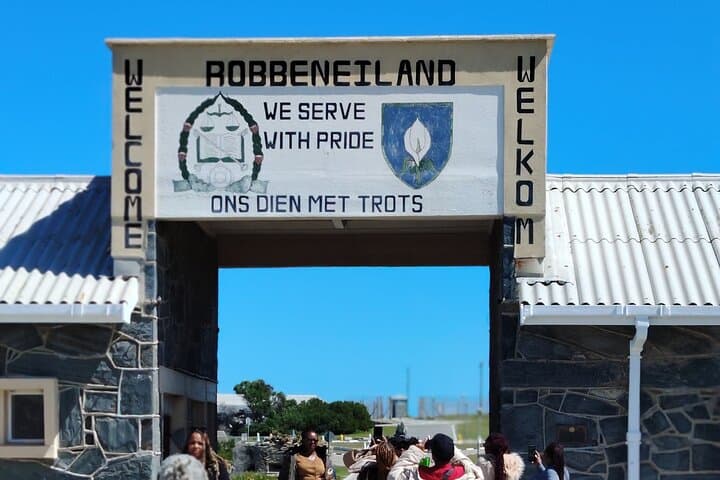
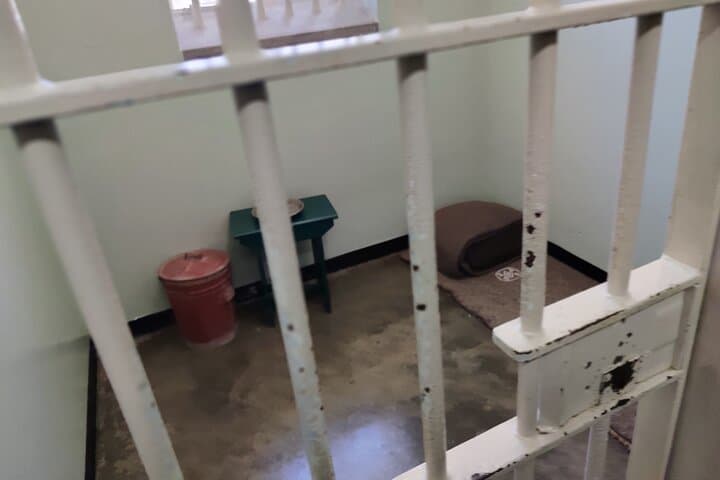
Robben Island’s story is stark and direct: a place of exile turned global symbol of resistance. The guided walk through the former prison, often led by ex-political prisoners, lays out apartheid-era policy in human scale and stops at Nelson Mandela’s small cell. Geologically, the island sits offshore as a compact, mostly flat outcrop shaped by coastal erosion and strong Atlantic winds; the terrain is mostly short grasses, rocky shoreline and reclaimed quarry sites.
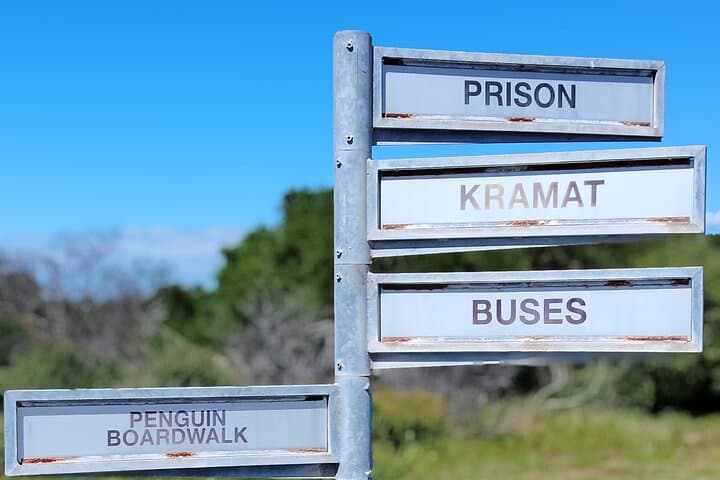
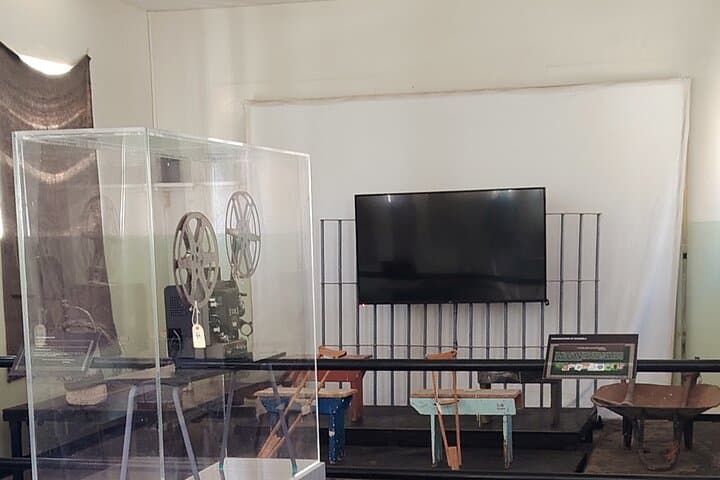
Culture here is kept alive by the oral histories and museum displays, and by the seabirds and seals that claim the rocky coves. Visitors commonly spot African penguins and Cape fur seals along the route, reminders that this is both a natural habitat and a historical site.
Practical guidance: the round-trip ferry and guided island tour take about four hours. Bring a valid passport for boarding and expect wind and sun exposure — layering pays off. Ferries run from the V&A Waterfront; cancellations can occur in rough seas, so check the operator’s 24-hour refund policy and arrive 30–45 minutes early to clear check-in and security. Comfortable shoes, windproof outerwear and a charged camera will make the visit smoother and more memorable.
easy.
4 hours.
Suitable for most fitness levels; involves walking on uneven surfaces and short stair sections
The full experience, including ferry rides and the guided island tour, lasts about four hours.
Yes—valid photo ID such as a passport is required for boarding the ferry.
Yes—tours accommodate children and strollers, but paths can be uneven; infants should be secured and supervised.
Yes—high winds and rough seas can lead to cancellations; the operator offers refunds if canceled at least 24 hours before departure per their policy.
Robben Island served as a prison for political detainees during apartheid; Nelson Mandela was incarcerated here for 18 of his 27 years behind bars.
The island is a protected heritage and nature reserve—stay on marked paths to protect nesting birds and fragile vegetation; follow guides’ rules to minimize impact.
Figo Travel and Tours operates guided outdoor trips and adventures with an emphasis on safety, stewardship, and memorable experiences.
The ferry slips away from the V&A Waterfront with Table Mountain shrinking into a flat, sculpted silhouette and the harbor breeze nudging the bow. Waves nudge and push the vessel toward Robben Island — a low, wind-swept landform where sea and history meet. On clear days the ocean flashes silver; on windy afternoons the channel dares you to hold your hat.
The ferry slips away from the V&A Waterfront with Table Mountain shrinking into a flat, sculpted silhouette and the harbor breeze nudging the bow. Waves nudge and push the vessel toward Robben Island — a low, wind-swept landform where sea and history meet. On clear days the ocean flashes silver; on windy afternoons the channel dares you to hold your hat.
Robben Island’s story is stark and direct: a place of exile turned global symbol of resistance. The guided walk through the former prison, often led by ex-political prisoners, lays out apartheid-era policy in human scale and stops at Nelson Mandela’s small cell. Geologically, the island sits offshore as a compact, mostly flat outcrop shaped by coastal erosion and strong Atlantic winds; the terrain is mostly short grasses, rocky shoreline and reclaimed quarry sites.
Culture here is kept alive by the oral histories and museum displays, and by the seabirds and seals that claim the rocky coves. Visitors commonly spot African penguins and Cape fur seals along the route, reminders that this is both a natural habitat and a historical site.
Practical guidance: the round-trip ferry and guided island tour take about four hours. Bring a valid passport for boarding and expect wind and sun exposure — layering pays off. Ferries run from the V&A Waterfront; cancellations can occur in rough seas, so check the operator’s 24-hour refund policy and arrive 30–45 minutes early to clear check-in and security. Comfortable shoes, windproof outerwear and a charged camera will make the visit smoother and more memorable.