THE ADVENTURE COLLECTIVE® · Independent discovery and booking for outdoor travel

Board a 30–45 minute ferry from the V&A Waterfront to Robben Island, where an ex-political prisoner guides you across the former prison grounds to Nelson Mandela’s cell. This anchored, emotionally powerful tour combines maritime crossing with an intimate look at South Africa’s struggle and resilience.
Board a 30–45 minute ferry from the V&A Waterfront to Robben Island, where an ex-political prisoner guides you across the former prison grounds to Nelson Mandela’s cell. This anchored, emotionally powerful tour combines maritime crossing with an intimate look at South Africa’s struggle and resilience.
The sun cuts a hard line across Table Bay as the ferry slips away from the Clock Tower at the V&A Waterfront. Salt air stings the lips, gulls wheel, and the island’s low silhouette grows from a distant smudge to a compact landform that once held the country’s deepest political wound. The crossing—about 30–45 minutes—sets the tone: you travel outward against the Atlantic’s push, arriving at an open-plain island where stone and sea take the lead.
Verified experiences and guided adventures in the surrounding area.
Operated by Aim Cape Tours. · Cape Town, Western Cape
The sun cuts a hard line across Table Bay as the ferry slips away from the Clock Tower at the V&A Waterfront. Salt air stings the lips, gulls wheel, and the island’s low silhouette grows from a distant smudge to a compact landform that once held the country’s deepest political wound. The crossing—about 30–45 minutes—sets the tone: you travel outward against the Atlantic’s push, arriving at an open-plain island where stone and sea take the lead.
Robben Island’s history is plain and sharp. For much of the 20th century it served as a prison for political prisoners under apartheid; visitors trace routes walked by Nelson Mandela and other activists. Geologically the island is wind-swept limestone and shales with coastal scrub and seabird colonies; culturally it’s a site of memory, reconciliation, and municipal stewardship through the Robben Island Museum.
On the guided circuit a former political prisoner narrates personal memory alongside documented history, pausing at cells, communal yards, and the Mandela cell for context and quiet reflection. Expect a bus loop across the island, short walks on uneven surfaces, and outdoor exposure—wind, sun, and the Atlantic’s chill.
Practicalities: arrive early at the Nelson Mandela Gateway by the Clock Tower with passport or valid ID for check-in, and bring your mobile ticket (sent via WhatsApp/email). Dress in layers and windproof outerwear, wear sturdy shoes, and carry water—there’s limited shade. Note accessibility options are available, but the tour isn’t recommended for pregnant travelers or those with serious heart conditions. The visit is compact but emotionally heavy; allow time afterward at the V&A Waterfront to process and explore.
easy.
4 hours.
Light walking and standing; suitable for most fitness levels but some mobility required for ferry boarding and short island walks.
The crossing typically takes 30–45 minutes each way, depending on sea conditions.
Yes—tickets are sent via WhatsApp or email before the tour; bring the mobile ticket or a printed copy.
Accessibility options are available, including wheelchair-accessible transport and surfaces, but notify operators in advance to arrange assistance.
Photography is generally allowed on the island and at most outdoor sites; follow guide instruction regarding specific cell or museum areas where restrictions may apply.
Robben Island was used as a prison for political detainees during apartheid; Mandela’s 18-year imprisonment here made it a global symbol of resistance and reconciliation.
The Robben Island Museum manages visitor impact with guided routes and limits, and encourages staying on paths to protect nesting seabirds and island vegetation.
Aim Cape Tours. operates guided outdoor trips and adventures with an emphasis on safety, stewardship, and memorable experiences.



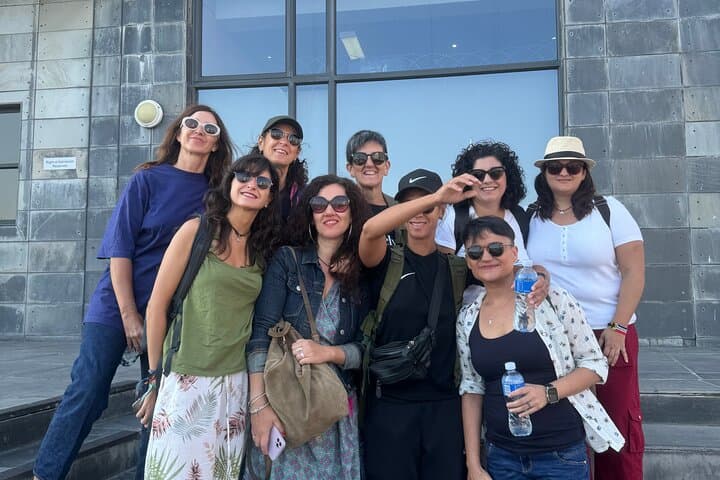
The sun cuts a hard line across Table Bay as the ferry slips away from the Clock Tower at the V&A Waterfront. Salt air stings the lips, gulls wheel, and the island’s low silhouette grows from a distant smudge to a compact landform that once held the country’s deepest political wound. The crossing—about 30–45 minutes—sets the tone: you travel outward against the Atlantic’s push, arriving at an open-plain island where stone and sea take the lead.
The sun cuts a hard line across Table Bay as the ferry slips away from the Clock Tower at the V&A Waterfront. Salt air stings the lips, gulls wheel, and the island’s low silhouette grows from a distant smudge to a compact landform that once held the country’s deepest political wound. The crossing—about 30–45 minutes—sets the tone: you travel outward against the Atlantic’s push, arriving at an open-plain island where stone and sea take the lead.
Robben Island’s history is plain and sharp. For much of the 20th century it served as a prison for political prisoners under apartheid; visitors trace routes walked by Nelson Mandela and other activists. Geologically the island is wind-swept limestone and shales with coastal scrub and seabird colonies; culturally it’s a site of memory, reconciliation, and municipal stewardship through the Robben Island Museum.
On the guided circuit a former political prisoner narrates personal memory alongside documented history, pausing at cells, communal yards, and the Mandela cell for context and quiet reflection. Expect a bus loop across the island, short walks on uneven surfaces, and outdoor exposure—wind, sun, and the Atlantic’s chill.
Practicalities: arrive early at the Nelson Mandela Gateway by the Clock Tower with passport or valid ID for check-in, and bring your mobile ticket (sent via WhatsApp/email). Dress in layers and windproof outerwear, wear sturdy shoes, and carry water—there’s limited shade. Note accessibility options are available, but the tour isn’t recommended for pregnant travelers or those with serious heart conditions. The visit is compact but emotionally heavy; allow time afterward at the V&A Waterfront to process and explore.