THE ADVENTURE COLLECTIVE® · Independent discovery and booking for outdoor travel

Cross the Atlantic breeze to Robben Island on a pre-booked ferry and follow guided narratives through the former prison where Nelson Mandela was held. This accessible half-day trip blends dramatic coastal scenery with sobering, essential history.
Cross the Atlantic breeze to Robben Island on a pre-booked ferry and follow guided narratives through the former prison where Nelson Mandela was held. This accessible half-day trip blends dramatic coastal scenery with sobering, essential history.
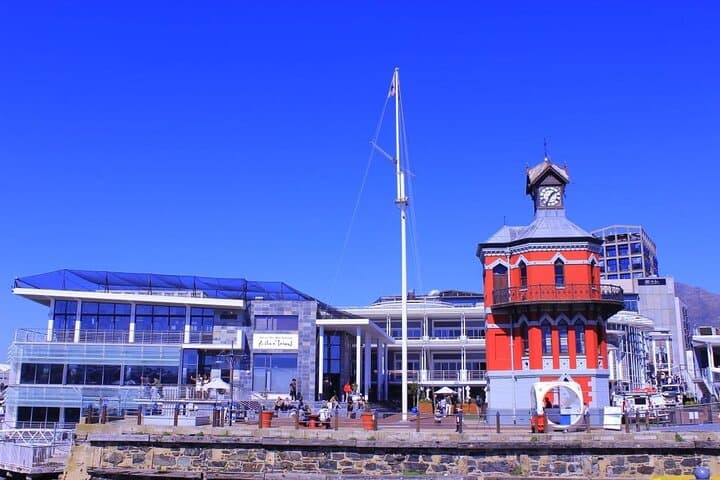
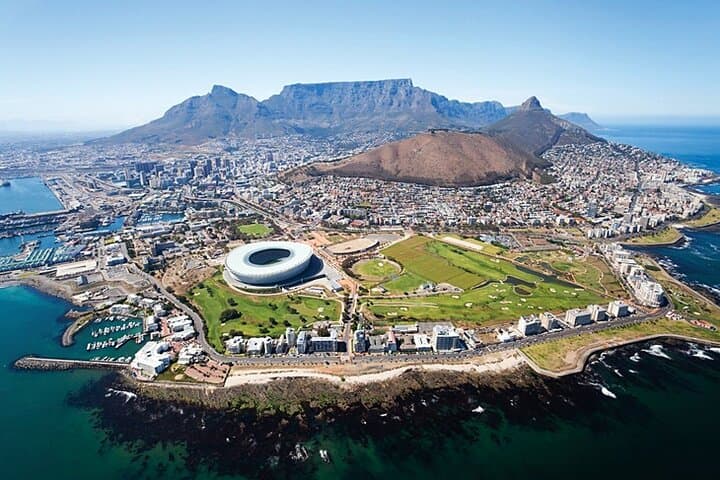
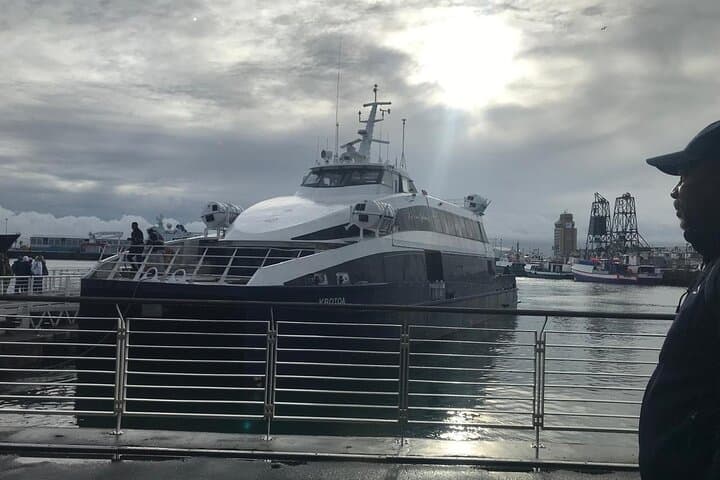
The ferry slips away from Cape Town’s quay with Table Mountain looming like a slow-moving presence; gulls wheel and the Atlantic sprays cool against the hull. Passengers settle, cameras ready, as the shoreline recedes and the low profile of Robben Island appears — a wind-sheared slab of rock with buildings that hold weighty stories.
Verified experiences and guided adventures in the surrounding area.
Operated by Philippe Travel Tours · Cape Town, Western Cape
The ferry slips away from Cape Town’s quay with Table Mountain looming like a slow-moving presence; gulls wheel and the Atlantic sprays cool against the hull. Passengers settle, cameras ready, as the shoreline recedes and the low profile of Robben Island appears — a wind-sheared slab of rock with buildings that hold weighty stories.
Robben Island’s history is blunt and public: a former prison, leper colony and military post that became the most visible site of apartheid-era incarceration. Nelson Mandela spent 18 of his 27 years in custody here; guided narratives trace cells, the limestone quarry and the paths prisoners were forced to walk. Geologically the island is a flat outcrop off the Cape coast, exposed to strong westerly winds and ocean spray, so the landscape feels austere and immediate rather than lush.
Culturally the visit is a civic lesson as much as a walk outdoors — guides often include former inmates or museum-trained interpreters who link place to policy and people. Expect a paced, accessible route with poignant viewpoints rather than long hikes: short on elevation, long on context.
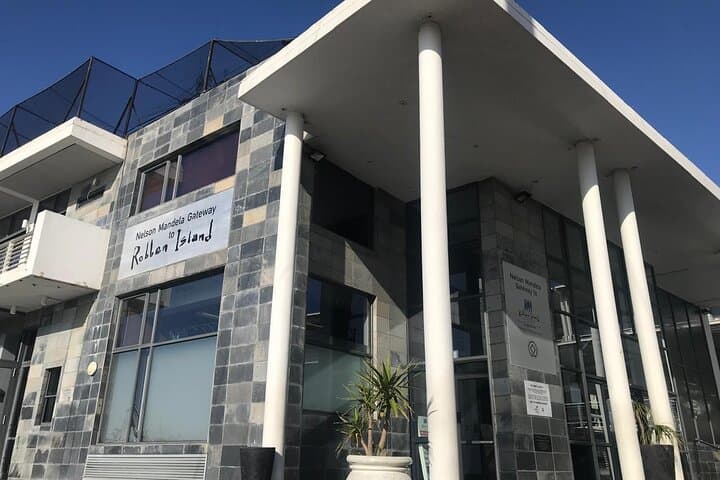
Practical side: bring your passport for port security, dress in layers for brisk sea winds, and allow time for ferry check-in. Pre-booked tickets skip long waits, but ferries run on fixed departures (commonly early morning through afternoon), so arrive early. Photography is permitted, but show respect in memorial spaces. The experience balances easy physical demand with intense historical reflection — a compact, essential day trip from Cape Town.
easy.
4 hours.
Suitable for most fitness levels — minimal walking and no steep climbs.
The full experience, including ferry crossings and guided island tour, takes about four hours from scheduled departure to return.
Yes — the operator notes wheelchair-accessible areas and assistance for boarding, but notify at booking to arrange ramps and support.
Food options on Robben Island are limited; bottled water may be provided but bring snacks if needed and confirm inclusions beforehand.
Robben Island served variously as a prison, leper colony and military base; it’s best known as the place where Nelson Mandela was incarcerated for 18 years and is now a UNESCO World Heritage Site.
The island is managed by the Robben Island Museum with protections for its cultural sites and coastal habitat; visitors should stay on marked paths and avoid disturbing wildlife.
Philippe Travel Tours operates guided outdoor trips and adventures with an emphasis on safety, stewardship, and memorable experiences.
The ferry slips away from Cape Town’s quay with Table Mountain looming like a slow-moving presence; gulls wheel and the Atlantic sprays cool against the hull. Passengers settle, cameras ready, as the shoreline recedes and the low profile of Robben Island appears — a wind-sheared slab of rock with buildings that hold weighty stories.
The ferry slips away from Cape Town’s quay with Table Mountain looming like a slow-moving presence; gulls wheel and the Atlantic sprays cool against the hull. Passengers settle, cameras ready, as the shoreline recedes and the low profile of Robben Island appears — a wind-sheared slab of rock with buildings that hold weighty stories.
Robben Island’s history is blunt and public: a former prison, leper colony and military post that became the most visible site of apartheid-era incarceration. Nelson Mandela spent 18 of his 27 years in custody here; guided narratives trace cells, the limestone quarry and the paths prisoners were forced to walk. Geologically the island is a flat outcrop off the Cape coast, exposed to strong westerly winds and ocean spray, so the landscape feels austere and immediate rather than lush.
Culturally the visit is a civic lesson as much as a walk outdoors — guides often include former inmates or museum-trained interpreters who link place to policy and people. Expect a paced, accessible route with poignant viewpoints rather than long hikes: short on elevation, long on context.
Practical side: bring your passport for port security, dress in layers for brisk sea winds, and allow time for ferry check-in. Pre-booked tickets skip long waits, but ferries run on fixed departures (commonly early morning through afternoon), so arrive early. Photography is permitted, but show respect in memorial spaces. The experience balances easy physical demand with intense historical reflection — a compact, essential day trip from Cape Town.