THE ADVENTURE COLLECTIVE® · Independent discovery and booking for outdoor travel

Board the ferry at the Nelson Mandela Gateway and cross to Robben Island for a 3–5 hour guided tour of the prison, quarry, and shoreline. Learn the island’s layered history while preparing for wind, sun, and possible weather-related cancellations.
Board the ferry at the Nelson Mandela Gateway and cross to Robben Island for a 3–5 hour guided tour of the prison, quarry, and shoreline. Learn the island’s layered history while preparing for wind, sun, and possible weather-related cancellations.
The ferry pulls away from the Nelson Mandela Gateway and the mainland recedes; sea spray and wind set the pace as Table Mountain shrinks into the distance. On approach, Robben Island reads as a low, weathered ridge—stony shorelines, a lighthouse, and the pale scars of an old quarry—each feature a chapter in the island’s long story.
Verified experiences and guided adventures in the surrounding area.
Operated by Africa Afrika Travel · Robben Island, Western Cape
The ferry pulls away from the Nelson Mandela Gateway and the mainland recedes; sea spray and wind set the pace as Table Mountain shrinks into the distance. On approach, Robben Island reads as a low, weathered ridge—stony shorelines, a lighthouse, and the pale scars of an old quarry—each feature a chapter in the island’s long story.
Robben Island is best known as the site of the prison where Nelson Mandela and many anti-apartheid activists were held. Visitors step off the ferry and into a layered history: a former leper colony, a strategic wartime post, and later a place of political incarceration. The island’s sparse geology—rocky outcrops and worked limestone—shapes the route of the official tour, which moves from the jetty to the bus loop, the quarry, and the cellblocks.
Expect a guided bus drive of roughly two hours across the island, plus on-foot visits to the maximum-security prison compound and the small museum. Audio and guides provide context: dates, key figures, and the daily life of prisoners. Weather is a factor—winds can make the crossing choppy and midday sun feels intense against the open shore.
Practical essentials: tickets include the ferry and bottled water; bring your passport (required for boarding), a windproof layer, sturdy shoes, and sunscreen. Allow 3–5 hours total for the round trip from Cape Town, arrive early for check-in, and be prepared for possible cancellations in poor weather. The visit is a sober, illuminating experience—part history lesson, part landscape encounter—best approached with respect and practical preparation.
easy.
3–5 hours.
Light fitness needed—short, mostly guided walks and bus transfers; able to manage stairs and short gravel walks.
Yes—international visitors must present a valid passport or government-issued ID at check-in to receive the paper ticket and board the ferry.
Many parts of the tour and transport are accessible and operators note wheelchair access for transportation and some surfaces, but check specifics ahead of booking for individual needs.
Tours may be cancelled in rough sea or adverse weather; this particular operator lists a strict no-refund policy for cancellations, so confirm terms when booking and consider travel insurance.
The schedule typically allocates 2 hours on Robben Island for the bus loop and prison visit within a total 3–5 hour round-trip timeframe from Cape Town.
Robben Island served various roles—leper colony, military base, and most notably the political prison where Nelson Mandela and others were incarcerated during apartheid.
Visitor access is managed to protect sensitive bird colonies and historical structures; stick to paths, don’t remove artifacts, and follow guide instructions to minimize impact.
Africa Afrika Travel operates guided outdoor trips and adventures with an emphasis on safety, stewardship, and memorable experiences.
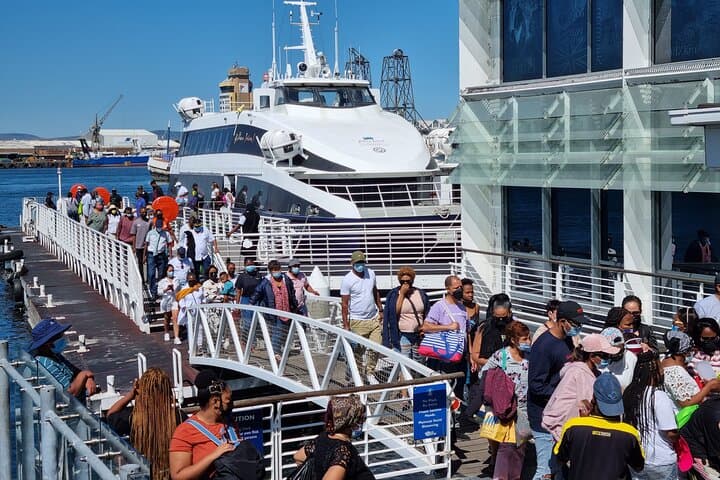
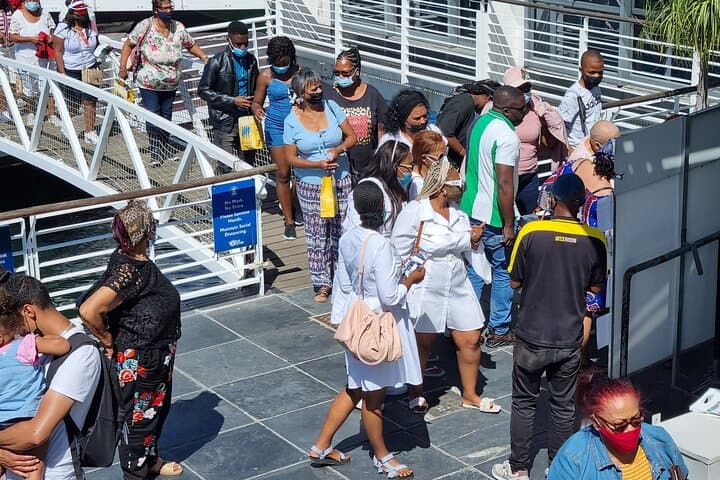
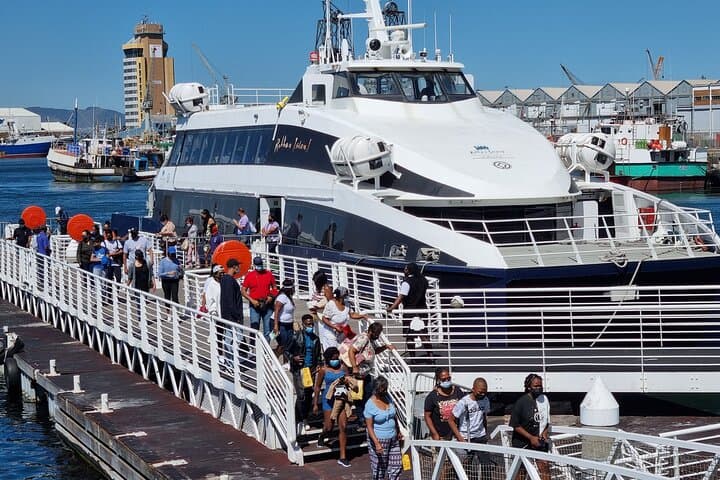
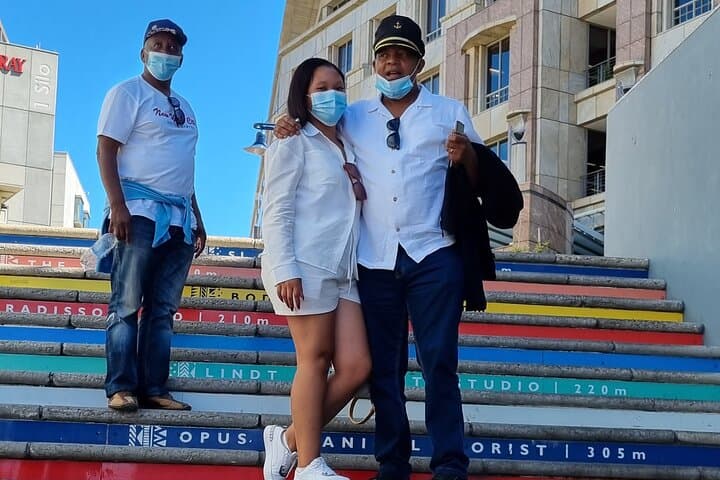
The ferry pulls away from the Nelson Mandela Gateway and the mainland recedes; sea spray and wind set the pace as Table Mountain shrinks into the distance. On approach, Robben Island reads as a low, weathered ridge—stony shorelines, a lighthouse, and the pale scars of an old quarry—each feature a chapter in the island’s long story.
The ferry pulls away from the Nelson Mandela Gateway and the mainland recedes; sea spray and wind set the pace as Table Mountain shrinks into the distance. On approach, Robben Island reads as a low, weathered ridge—stony shorelines, a lighthouse, and the pale scars of an old quarry—each feature a chapter in the island’s long story.
Robben Island is best known as the site of the prison where Nelson Mandela and many anti-apartheid activists were held. Visitors step off the ferry and into a layered history: a former leper colony, a strategic wartime post, and later a place of political incarceration. The island’s sparse geology—rocky outcrops and worked limestone—shapes the route of the official tour, which moves from the jetty to the bus loop, the quarry, and the cellblocks.
Expect a guided bus drive of roughly two hours across the island, plus on-foot visits to the maximum-security prison compound and the small museum. Audio and guides provide context: dates, key figures, and the daily life of prisoners. Weather is a factor—winds can make the crossing choppy and midday sun feels intense against the open shore.
Practical essentials: tickets include the ferry and bottled water; bring your passport (required for boarding), a windproof layer, sturdy shoes, and sunscreen. Allow 3–5 hours total for the round trip from Cape Town, arrive early for check-in, and be prepared for possible cancellations in poor weather. The visit is a sober, illuminating experience—part history lesson, part landscape encounter—best approached with respect and practical preparation.