THE ADVENTURE COLLECTIVE® · Independent discovery and booking for outdoor travel

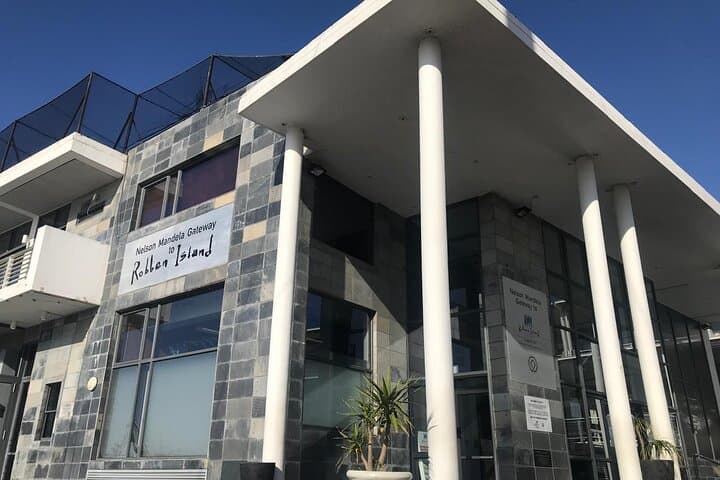
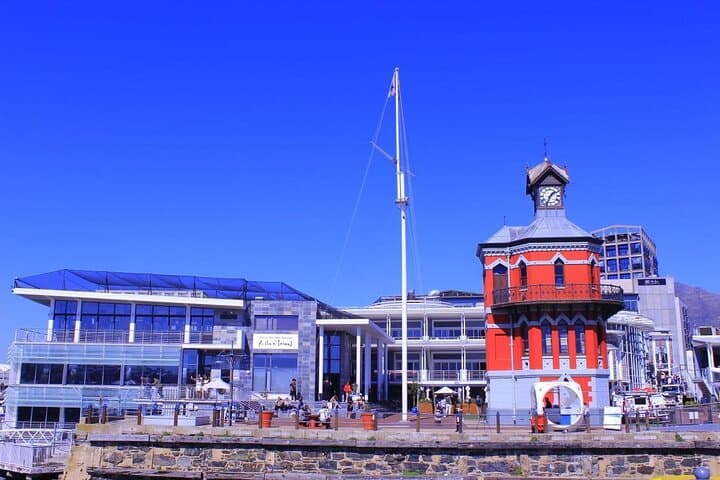
Cross the Atlantic from the V&A Waterfront to Robben Island for a half-day tour that pairs a scenic ferry ride with a guided museum visit. Hear personal stories from former prisoners and explore the prison where Nelson Mandela was held.
Cross the Atlantic from the V&A Waterfront to Robben Island for a half-day tour that pairs a scenic ferry ride with a guided museum visit. Hear personal stories from former prisoners and explore the prison where Nelson Mandela was held.
The ferry slips away from the V&A Waterfront and Cape Town's skyline recedes—Table Mountain stands like a weathered guardian while the wind pushes the boat toward the pale silhouette of Robben Island.
Verified experiences and guided adventures in the surrounding area.
Operated by EcoSafari Adventures · Cape Town, Western Cape
The ferry slips away from the V&A Waterfront and Cape Town's skyline recedes—Table Mountain stands like a weathered guardian while the wind pushes the boat toward the pale silhouette of Robben Island.
A short crossing across the choppy Atlantic brings you to a landscape marked by scrub, stone ruins and a low, stubborn lighthouse. The island's layered past is visible in its geology and buildings: a rocky outcrop used as a quarantine and leper colony, a strategic military post, and later a maximum-security prison where Nelson Mandela spent 18 years. The Robben Island Museum frames those years with guides—often former political prisoners—whose firsthand accounts turn facts into immediate, human stories.
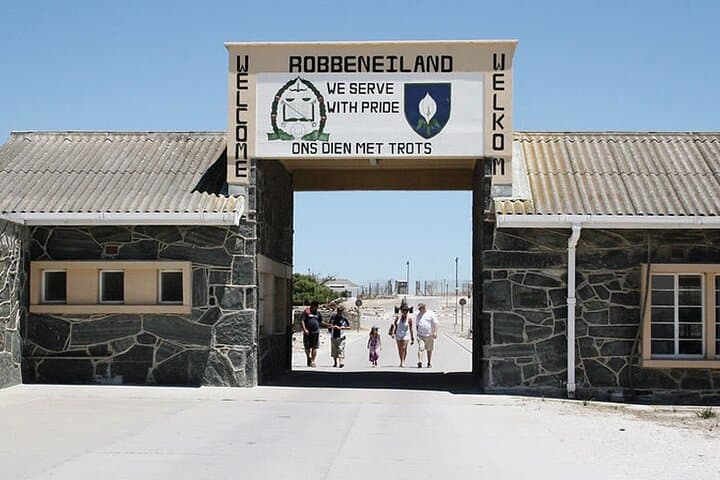
Walk the compact compound with an eye for detail: barred cellblocks, a cramped courtyard, and signage that explains the penal system and the island’s role in the broader apartheid structure. Offshore, seabirds wheel and seals sometimes haul out on rocks; the surrounding currents gave the island its natural defensibility.
Practically, the trip is a half-day commitment from Cape Town with scheduled ferry time-slots, museum admission, and guided commentary included. Expect exposed conditions—wind, salt spray and open decks—so dress in layers and bring sun protection. Security and ID checks are routine; photography is allowed in most areas but follow guide instructions. Whether you come for history, coastal scenery, or to hear the voices of those who lived through the struggle, this ferry-and-museum combo is direct, sobering and richly informative.
easy.
5–6 hours.
Suitable for most fitness levels; involves short walks on uneven surfaces and standing during the ferry crossing.
Ferries leave from the V&A Waterfront in central Cape Town; check exact boarding point and arrival time on your ticket.
The Robben Island Museum and ferries have accessibility provisions, but mobility limitations may restrict access to certain exhibits—notify the operator in advance.
Yes — many tours feature guides who were former political prisoners, offering personal testimony alongside the museum interpretation.
Bring photo ID, layered clothing, sunscreen, and motion-sickness medication if needed; follow staff instructions on safety and areas open to visitors.
Robben Island served variously as a prison, leper colony and military base; its most famous role was as a political prison during apartheid, and it is now a UNESCO World Heritage Site.
Visitor access is managed to protect remaining habitats and historic structures; stay on marked paths and follow museum guidelines to minimize impact.
EcoSafari Adventures operates guided outdoor trips and adventures with an emphasis on safety, stewardship, and memorable experiences.
The ferry slips away from the V&A Waterfront and Cape Town's skyline recedes—Table Mountain stands like a weathered guardian while the wind pushes the boat toward the pale silhouette of Robben Island.
The ferry slips away from the V&A Waterfront and Cape Town's skyline recedes—Table Mountain stands like a weathered guardian while the wind pushes the boat toward the pale silhouette of Robben Island.
A short crossing across the choppy Atlantic brings you to a landscape marked by scrub, stone ruins and a low, stubborn lighthouse. The island's layered past is visible in its geology and buildings: a rocky outcrop used as a quarantine and leper colony, a strategic military post, and later a maximum-security prison where Nelson Mandela spent 18 years. The Robben Island Museum frames those years with guides—often former political prisoners—whose firsthand accounts turn facts into immediate, human stories.
Walk the compact compound with an eye for detail: barred cellblocks, a cramped courtyard, and signage that explains the penal system and the island’s role in the broader apartheid structure. Offshore, seabirds wheel and seals sometimes haul out on rocks; the surrounding currents gave the island its natural defensibility.
Practically, the trip is a half-day commitment from Cape Town with scheduled ferry time-slots, museum admission, and guided commentary included. Expect exposed conditions—wind, salt spray and open decks—so dress in layers and bring sun protection. Security and ID checks are routine; photography is allowed in most areas but follow guide instructions. Whether you come for history, coastal scenery, or to hear the voices of those who lived through the struggle, this ferry-and-museum combo is direct, sobering and richly informative.