THE ADVENTURE COLLECTIVE® · Independent discovery and booking for outdoor travel

Board the public ferry from the V&A Waterfront for a four-hour round trip to Robben Island: a wind-swept historical site where guided tours reveal the island’s role in South Africa’s struggle against apartheid. Book ahead, bring ID and layers for the crossing.
Board the public ferry from the V&A Waterfront for a four-hour round trip to Robben Island: a wind-swept historical site where guided tours reveal the island’s role in South Africa’s struggle against apartheid. Book ahead, bring ID and layers for the crossing.
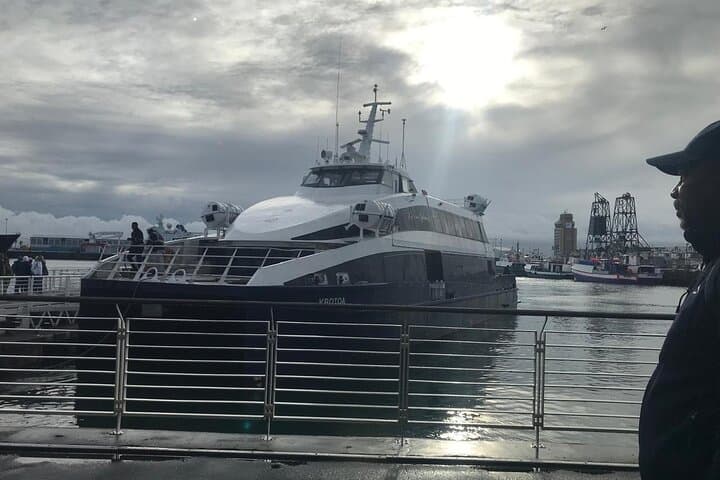
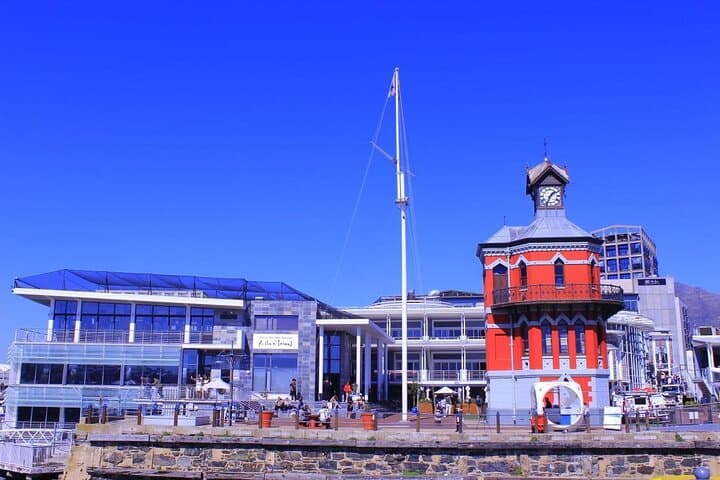
On the quay at the V&A Waterfront the harbor smells of salt and diesel; Table Mountain watches like an old wall across the bay. The ferry pulls away, the city shrinking to a ribbon of rooftops, and the island’s low, wind-scoured silhouette slides into view—flat, rocky and edged with breakers.
Verified experiences and guided adventures in the surrounding area.
Operated by Cape Promax Travel & Tours · Cape Town, Western Cape
On the quay at the V&A Waterfront the harbor smells of salt and diesel; Table Mountain watches like an old wall across the bay. The ferry pulls away, the city shrinking to a ribbon of rooftops, and the island’s low, wind-scoured silhouette slides into view—flat, rocky and edged with breakers.
Robben Island’s story is both geological and human: composed of compacted sands and calcrete, its exposed shoreline bears the work of wind and sea while human history has left a firmer mark. From the lime quarry to the small prison wards, the island held generations of political prisoners during apartheid—most famously Nelson Mandela, who served many years here. Tours commonly include guided visits of the cellblocks and museum, often led by former political prisoners whose firsthand accounts anchor the site’s meaning.
Birdlife claims the cliffs and dunes; Cape fur seals haul out on offshore rocks and seabirds wheel overhead, making the landscape feel alive and candid. The crossing itself offers sweeping views of Table Mountain and the Western Cape coastline—bring a camera and a windproof layer.
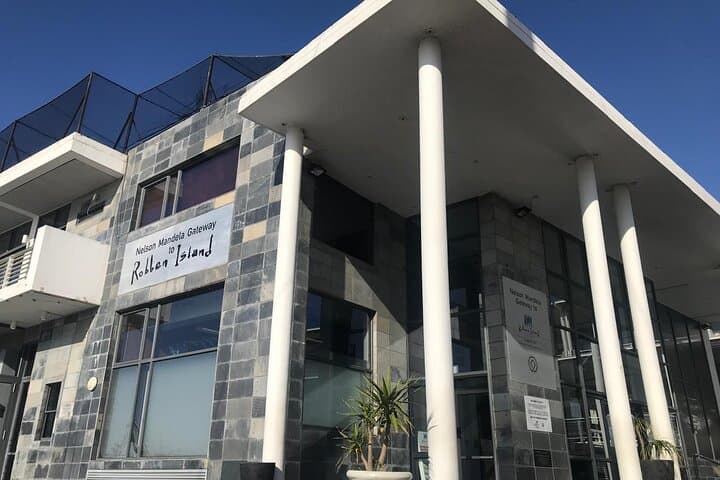
Practical note: the tour is about four hours in total, with short walks on uneven surfaces. Passports or valid ID are required at booking and boarding, and advance reservations are strongly recommended—ferries run on a tight schedule and can sell out. Expect wind, variable sea conditions and strict museum rules governing photography and access. Arrive early at the Robben Island Gateway, check mobility requirements if you need assistance, and leave time to absorb both the scenery and the history before returning to Cape Town.
easy.
4 hours.
Suitable for most fitness levels; includes short walking segments on uneven surfaces and standing time on the ferry.
Yes—booking requires passport details and you must present valid ID (passport preferred) when boarding.
Robben Island provides accessible surfaces at the Gateway and certain areas on the island, but some sections have uneven terrain—contact the operator if you require assistance.
Light snacks and bottled water are usually permitted on the ferry, but respect museum rules about eating in exhibition areas and pack out all trash.
Expect seabirds and sometimes Cape fur seals around the shoreline; seasonal sightings of southern right whales occur offshore (mainly winter–spring).
Robben Island served as a political prison during apartheid; Nelson Mandela and other activists were held there, making it a UNESCO World Heritage Site focused on human rights history.
Visitor numbers are managed and museum rules protect sensitive areas; stick to paths, avoid disturbing wildlife, and follow guide instructions to minimize impact.
Cape Promax Travel & Tours operates guided outdoor trips and adventures with an emphasis on safety, stewardship, and memorable experiences.

On the quay at the V&A Waterfront the harbor smells of salt and diesel; Table Mountain watches like an old wall across the bay. The ferry pulls away, the city shrinking to a ribbon of rooftops, and the island’s low, wind-scoured silhouette slides into view—flat, rocky and edged with breakers.
On the quay at the V&A Waterfront the harbor smells of salt and diesel; Table Mountain watches like an old wall across the bay. The ferry pulls away, the city shrinking to a ribbon of rooftops, and the island’s low, wind-scoured silhouette slides into view—flat, rocky and edged with breakers.
Robben Island’s story is both geological and human: composed of compacted sands and calcrete, its exposed shoreline bears the work of wind and sea while human history has left a firmer mark. From the lime quarry to the small prison wards, the island held generations of political prisoners during apartheid—most famously Nelson Mandela, who served many years here. Tours commonly include guided visits of the cellblocks and museum, often led by former political prisoners whose firsthand accounts anchor the site’s meaning.
Birdlife claims the cliffs and dunes; Cape fur seals haul out on offshore rocks and seabirds wheel overhead, making the landscape feel alive and candid. The crossing itself offers sweeping views of Table Mountain and the Western Cape coastline—bring a camera and a windproof layer.
Practical note: the tour is about four hours in total, with short walks on uneven surfaces. Passports or valid ID are required at booking and boarding, and advance reservations are strongly recommended—ferries run on a tight schedule and can sell out. Expect wind, variable sea conditions and strict museum rules governing photography and access. Arrive early at the Robben Island Gateway, check mobility requirements if you need assistance, and leave time to absorb both the scenery and the history before returning to Cape Town.