THE ADVENTURE COLLECTIVE® · Independent discovery and booking for outdoor travel

Cross Table Bay from the V&A Waterfront to Robben Island for a guided prison tour that includes meeting an ex-political prisoner and seeing Nelson Mandela’s cell. This skip-the-line ticket saves time but the ferry is weather-dependent — arrive 30 minutes early with ID.
Cross Table Bay from the V&A Waterfront to Robben Island for a guided prison tour that includes meeting an ex-political prisoner and seeing Nelson Mandela’s cell. This skip-the-line ticket saves time but the ferry is weather-dependent — arrive 30 minutes early with ID.
Step onto the Nelson Mandela Gateway at the V&A Waterfront and feel the Atlantic push you toward a small, flat island that once held the country’s harshest political sentences.
Verified experiences and guided adventures in the surrounding area.
Operated by Ingwe Africa Safaris & Tours · Cape Town, Western Cape
Step onto the Nelson Mandela Gateway at the V&A Waterfront and feel the Atlantic push you toward a small, flat island that once held the country’s harshest political sentences.
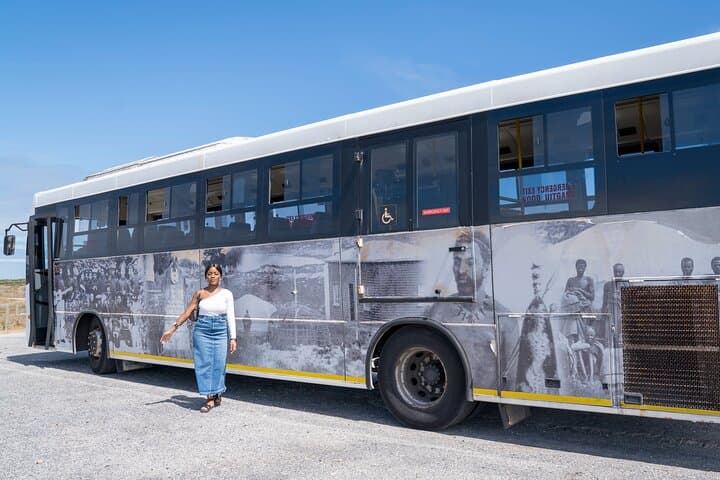
The ferry crosses Table Bay in about 30 minutes, the wind and swell setting the tempo. On arrival a coach tour threads the island’s low roads past former quarries, the lighthouse and the ruins of officers’ housing, each stop a quiet chapter in a place shaped by geology and geopolitics. Robben Island’s bare limestone and coastal scrub provided both seclusion and strategic advantage — its exposed shorelines made escape difficult and visibility high, which is why the island has been used as a prison, a leper colony, and a military base over 400 years.
The cultural core of the visit is the prison tour: hearing an ex-political prisoner recount daily life, entering Nelson Mandela’s cell, and walking segments of the Long March to Freedom. The museum and on-island narratives place individual stories inside South Africa’s struggle and eventual transition.
Practical notes: arrive 30 minutes early with your ticket and passport copy, wear windproof layers and sturdy shoes for short uneven walks, and expect restroom stops but limited services on the island. Tours last about four hours door-to-door and are weather-dependent — rough seas can cancel crossings. Bring water, sun protection, and an open, respectful attitude: photography is allowed in many areas but follow guide direction in sensitive zones.
The experience balances raw coastal weather with intimate historical testimony, offering a clear, human view into the island’s role in South Africa’s past and present.
easy.
4 hours.
Suitable for most fitness levels; involves short walks and standing during talks
No — hotel pickup and drop-off are excluded; meet at the Nelson Mandela Gateway in the V&A Waterfront 30 minutes before departure.
Crossings can be cancelled for safety; cancellations are managed by the operator and refunds or rescheduling follow their policy, so check before you go.
Some areas have limited accessibility; the coach tour minimizes walking but there are uneven surfaces and steps—contact the operator to confirm accommodations.
Photography is generally allowed in many outdoor and museum areas, but follow your guide’s directions in sensitive or restricted spots such as certain cell interiors.
Robben Island served as a site of imprisonment for political leaders during apartheid, most famously holding Nelson Mandela for 18 years; it also functioned historically as a leper colony and military installation.
Robben Island is a UNESCO World Heritage Site—visitors should follow marked paths, avoid disturbing wildlife and support the museum’s preservation efforts.
Ingwe Africa Safaris & Tours operates guided outdoor trips and adventures with an emphasis on safety, stewardship, and memorable experiences.
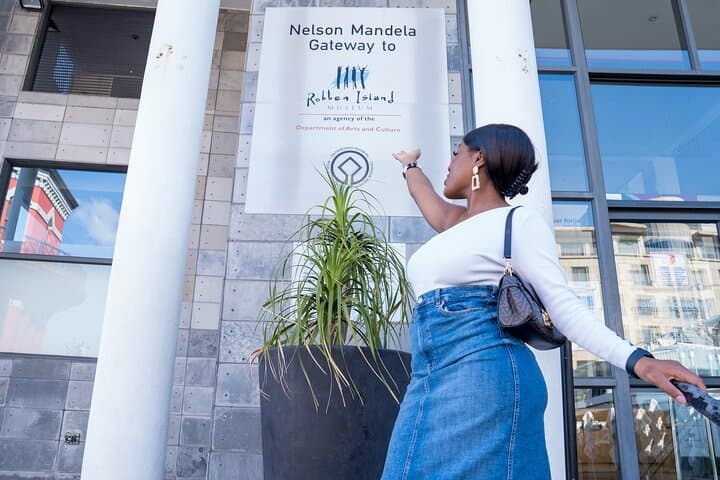

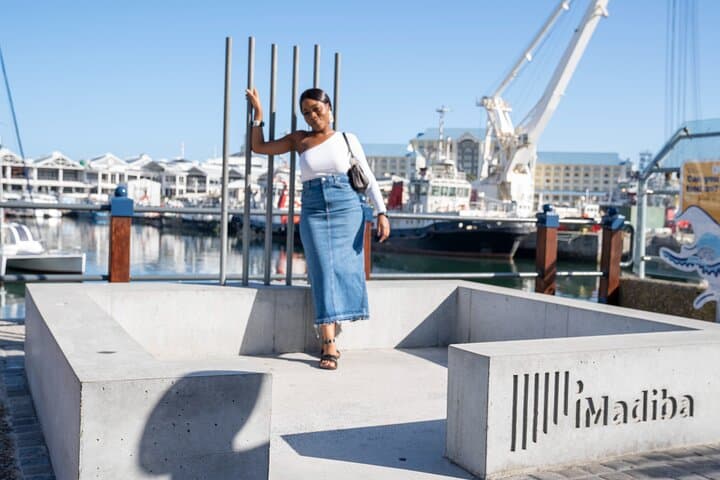
Step onto the Nelson Mandela Gateway at the V&A Waterfront and feel the Atlantic push you toward a small, flat island that once held the country’s harshest political sentences.
Step onto the Nelson Mandela Gateway at the V&A Waterfront and feel the Atlantic push you toward a small, flat island that once held the country’s harshest political sentences.
The ferry crosses Table Bay in about 30 minutes, the wind and swell setting the tempo. On arrival a coach tour threads the island’s low roads past former quarries, the lighthouse and the ruins of officers’ housing, each stop a quiet chapter in a place shaped by geology and geopolitics. Robben Island’s bare limestone and coastal scrub provided both seclusion and strategic advantage — its exposed shorelines made escape difficult and visibility high, which is why the island has been used as a prison, a leper colony, and a military base over 400 years.
The cultural core of the visit is the prison tour: hearing an ex-political prisoner recount daily life, entering Nelson Mandela’s cell, and walking segments of the Long March to Freedom. The museum and on-island narratives place individual stories inside South Africa’s struggle and eventual transition.
Practical notes: arrive 30 minutes early with your ticket and passport copy, wear windproof layers and sturdy shoes for short uneven walks, and expect restroom stops but limited services on the island. Tours last about four hours door-to-door and are weather-dependent — rough seas can cancel crossings. Bring water, sun protection, and an open, respectful attitude: photography is allowed in many areas but follow guide direction in sensitive zones.
The experience balances raw coastal weather with intimate historical testimony, offering a clear, human view into the island’s role in South Africa’s past and present.