THE ADVENTURE COLLECTIVE® · Independent discovery and booking for outdoor travel

Cross Table Bay to Robben Island for a guided prison tour led by former inmates. This full-day trip from the V&A Waterfront combines a scenic ferry ride with a sobering, informative visit to a UNESCO World Heritage Site.
Cross Table Bay to Robben Island for a guided prison tour led by former inmates. This full-day trip from the V&A Waterfront combines a scenic ferry ride with a sobering, informative visit to a UNESCO World Heritage Site.
You step off the V&A Waterfront pier as gulls wheel and the ocean smells of salt and cold; the ferry cuts a white line across Table Bay, pushing you toward Robben Island. The island’s low silhouette grows until the concrete block of the prison — stark, flat-roofed and plain — dominates the shoreline, a physical reminder of recent history.
Verified experiences and guided adventures in the surrounding area.
Operated by african macaw dmc and Safaris · Cape Town, Western Cape
You step off the V&A Waterfront pier as gulls wheel and the ocean smells of salt and cold; the ferry cuts a white line across Table Bay, pushing you toward Robben Island. The island’s low silhouette grows until the concrete block of the prison — stark, flat-roofed and plain — dominates the shoreline, a physical reminder of recent history.
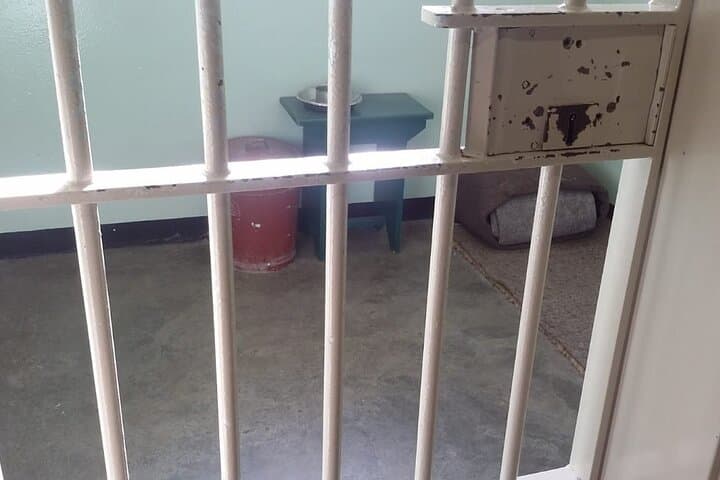
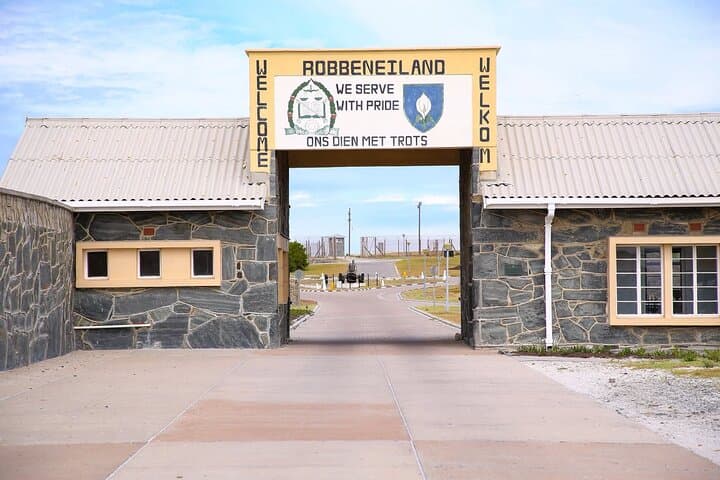
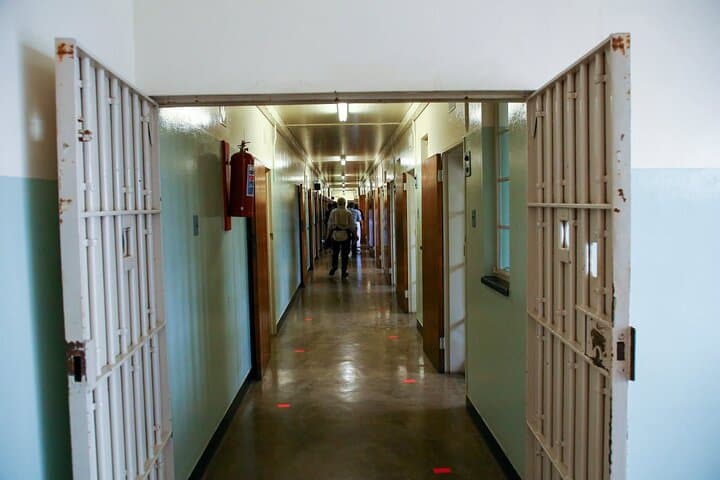
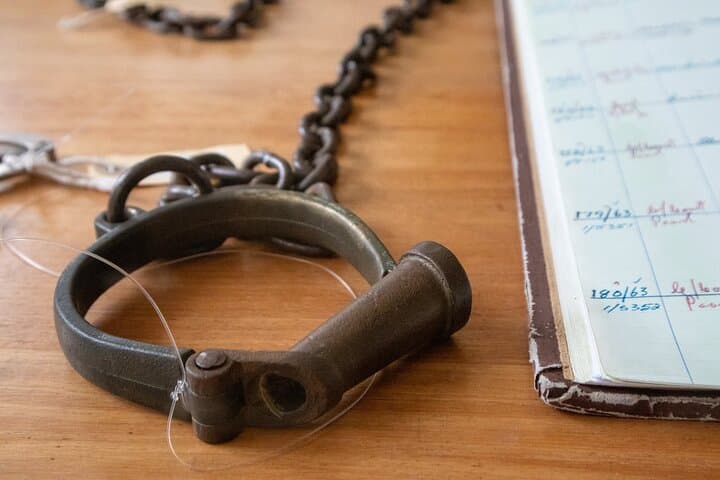
Robben Island is a UNESCO World Heritage Site where Nelson Mandela and many others were imprisoned during apartheid. Geologically it’s a flat, windswept outcrop of Cape granite and limestone, with exposed quarry scars and low dunes shaped by Atlantic winds. The guided prison tour—often led by former inmates—moves from the cells and communal yards to the small museum, threading personal testimony through broader South African history and the island’s role in colonial and penal systems.
Beyond the cells are quieter moments: the lighthouse standing like a watchman, tidal flats where sea birds wheel, and views back to Table Mountain that put Cape Town’s scale into perspective. Culture here is solemn and instructive; guides balance raw memory with civic context, and the museum frames the island within the country’s transition.
Practicalities: boats depart from the V&A Waterfront; the full experience including transfers runs about five hours. Bring your passport, dress in layers against wind and sun, and expect uneven paths and outdoor walking. Ferries can be canceled in rough weather; book early and allow extra time in Cape Town’s traffic. The visit is both an outdoor crossing and a reflective, historically rich walking tour—plan for wind, history, and steady walking between sites.
easy.
5 hours.
Suitable for most fitness levels; requires standing and walking for several short segments
Yes—international visitors should bring a passport; local IDs are accepted depending on operator policies, but passport is safest.
Guided tours are typically in English; some operators may provide translations or printed materials—check when booking.
Yes—strong winds or rough seas can cancel crossings; operators will advise and offer refunds or rescheduling per their policy.
Basic restroom facilities are available; bring water and snacks if needed, though many tours include bottled water and there’s limited on-site catering.
Robben Island served as a prison during apartheid and other periods, with Nelson Mandela incarcerated there for 18 years; it’s now preserved as a museum and World Heritage Site.
The island’s low-lying habitat is sensitive—stay on designated paths to protect nesting birds and fragile vegetation, and support the museum’s conservation efforts when possible.
african macaw dmc and Safaris operates guided outdoor trips and adventures with an emphasis on safety, stewardship, and memorable experiences.
You step off the V&A Waterfront pier as gulls wheel and the ocean smells of salt and cold; the ferry cuts a white line across Table Bay, pushing you toward Robben Island. The island’s low silhouette grows until the concrete block of the prison — stark, flat-roofed and plain — dominates the shoreline, a physical reminder of recent history.
You step off the V&A Waterfront pier as gulls wheel and the ocean smells of salt and cold; the ferry cuts a white line across Table Bay, pushing you toward Robben Island. The island’s low silhouette grows until the concrete block of the prison — stark, flat-roofed and plain — dominates the shoreline, a physical reminder of recent history.
Robben Island is a UNESCO World Heritage Site where Nelson Mandela and many others were imprisoned during apartheid. Geologically it’s a flat, windswept outcrop of Cape granite and limestone, with exposed quarry scars and low dunes shaped by Atlantic winds. The guided prison tour—often led by former inmates—moves from the cells and communal yards to the small museum, threading personal testimony through broader South African history and the island’s role in colonial and penal systems.
Beyond the cells are quieter moments: the lighthouse standing like a watchman, tidal flats where sea birds wheel, and views back to Table Mountain that put Cape Town’s scale into perspective. Culture here is solemn and instructive; guides balance raw memory with civic context, and the museum frames the island within the country’s transition.
Practicalities: boats depart from the V&A Waterfront; the full experience including transfers runs about five hours. Bring your passport, dress in layers against wind and sun, and expect uneven paths and outdoor walking. Ferries can be canceled in rough weather; book early and allow extra time in Cape Town’s traffic. The visit is both an outdoor crossing and a reflective, historically rich walking tour—plan for wind, history, and steady walking between sites.