THE ADVENTURE COLLECTIVE® · Independent discovery and booking for outdoor travel

Cross the open Atlantic from the V&A Waterfront to Robben Island, where a 30-minute ferry leads you to a guided museum and prison tour that traces Nelson Mandela’s captivity and South Africa’s turbulent past. Expect firsthand stories, rough island wind, and a 4-hour round-trip commitment.
Cross the open Atlantic from the V&A Waterfront to Robben Island, where a 30-minute ferry leads you to a guided museum and prison tour that traces Nelson Mandela’s captivity and South Africa’s turbulent past. Expect firsthand stories, rough island wind, and a 4-hour round-trip commitment.
The harbor tastes of salt and diesel as the ferry eases away from the V&A Waterfront; the Atlantic stretches flat and grey, daring you to read the horizon. In 30 minutes of open-sea crossing the city shrinks and Robben Island — a low, wind-sculpted slab of rock — grows until its lighthouse and quarry silhouette fill the skyline.
Verified experiences and guided adventures in the surrounding area.
Operated by Beyond Africa Safaris (Pty)Ltd · Cape Town, Western Cape
The harbor tastes of salt and diesel as the ferry eases away from the V&A Waterfront; the Atlantic stretches flat and grey, daring you to read the horizon. In 30 minutes of open-sea crossing the city shrinks and Robben Island — a low, wind-sculpted slab of rock — grows until its lighthouse and quarry silhouette fill the skyline.
Robben Island is iron-stitched to South Africa’s modern history: a penal colony, a leper station, a wartime base and the prison that held Nelson Mandela and other political prisoners. Geologically the island is Table Mountain sandstone and Quaternary deposits— a compact, eroded outcrop exposed to fierce ocean weather that shaped the quarry where inmates once labored.
Culturally the guided tour centers around living memory; many tours are led by former political prisoners who add first-person testimony to the museum’s exhibits. Expect straightforward storytelling about apartheid, the Long Walk to Freedom pathway, and the daily realities of confinement. Birdlife and seals frequent the shoreline; offshore, whales may pass in season.
Practical guidance: arrive at the Nelson Mandela Gateway 30 minutes early with passport or accepted ID; boarding queues remain despite “skip-the-line” tickets. The round trip is about four hours total — a 30-minute ferry crossing each way plus a guided bus and walking segments on uneven ground. Dress windproof and layered; bring a camera and modest footwear for gravel and short walks. The museum enforces conservation rules: do not climb on ruins or remove artifacts. If seas are rough the island authority may cancel — keep flexible plans and check weather forecasts the morning of departure.
easy.
4 hours.
Light walking ability; must be able to stand for portions of the guided bus/land tour and walk short distances on uneven ground.
Yes — Robben Island authorities require a passport or acceptable ID for verification; carry a digital copy as backup.
If Robben Island cancels for safety, you can reschedule or request a refund through the booking provider per their policy; cancellations are weather-dependent.
No — this is a shared ferry and guided island tour led by a museum guide; groups are mixed with other visitors.
This specific ticket is for international travellers; South African citizens should book directly through Robben Island Museum and may need to supply ID numbers.
Robben Island served as a prison for political detainees during apartheid and earlier functioned as a leper colony and military base; Nelson Mandela’s cell remains a primary site on the tour.
Visitors must follow museum rules to protect fragile ruins and ecosystems; avoid disturbing wildlife, take all litter home, and stick to designated paths.
Beyond Africa Safaris (Pty)Ltd operates guided outdoor trips and adventures with an emphasis on safety, stewardship, and memorable experiences.
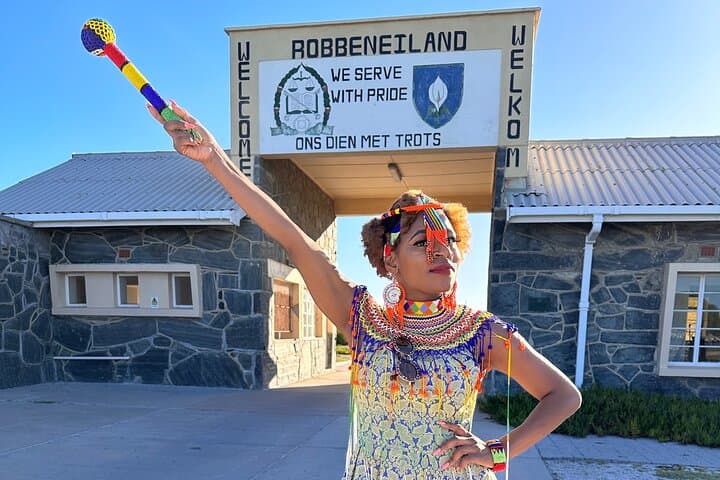
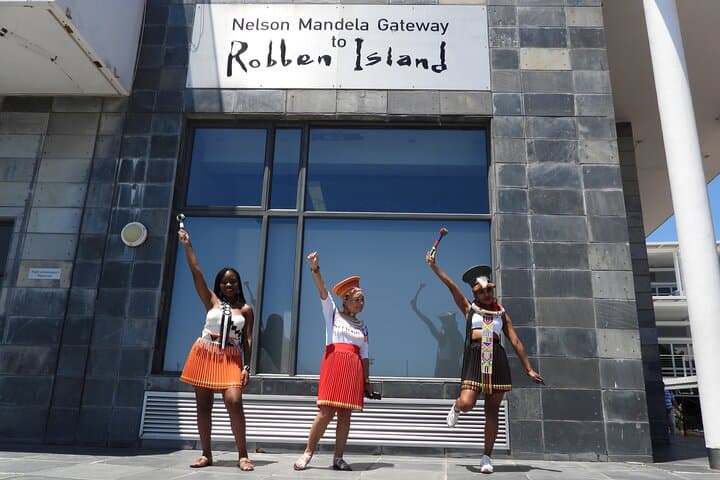
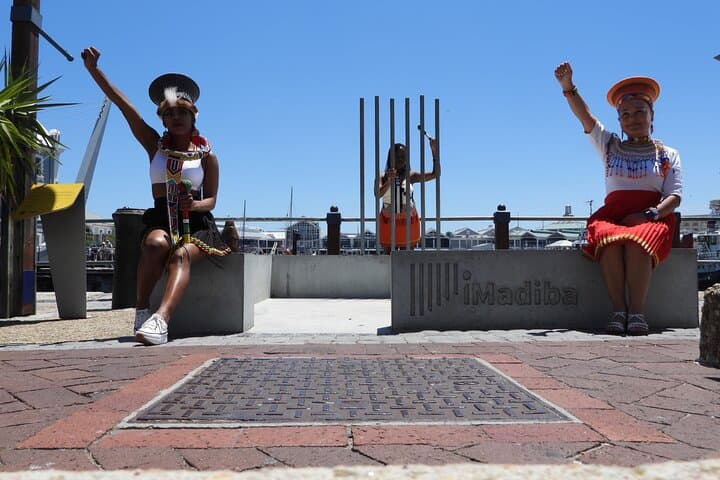
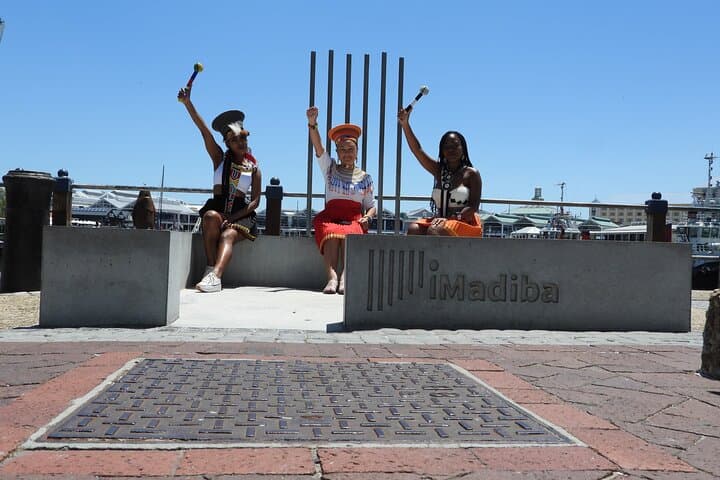
The harbor tastes of salt and diesel as the ferry eases away from the V&A Waterfront; the Atlantic stretches flat and grey, daring you to read the horizon. In 30 minutes of open-sea crossing the city shrinks and Robben Island — a low, wind-sculpted slab of rock — grows until its lighthouse and quarry silhouette fill the skyline.
The harbor tastes of salt and diesel as the ferry eases away from the V&A Waterfront; the Atlantic stretches flat and grey, daring you to read the horizon. In 30 minutes of open-sea crossing the city shrinks and Robben Island — a low, wind-sculpted slab of rock — grows until its lighthouse and quarry silhouette fill the skyline.
Robben Island is iron-stitched to South Africa’s modern history: a penal colony, a leper station, a wartime base and the prison that held Nelson Mandela and other political prisoners. Geologically the island is Table Mountain sandstone and Quaternary deposits— a compact, eroded outcrop exposed to fierce ocean weather that shaped the quarry where inmates once labored.
Culturally the guided tour centers around living memory; many tours are led by former political prisoners who add first-person testimony to the museum’s exhibits. Expect straightforward storytelling about apartheid, the Long Walk to Freedom pathway, and the daily realities of confinement. Birdlife and seals frequent the shoreline; offshore, whales may pass in season.
Practical guidance: arrive at the Nelson Mandela Gateway 30 minutes early with passport or accepted ID; boarding queues remain despite “skip-the-line” tickets. The round trip is about four hours total — a 30-minute ferry crossing each way plus a guided bus and walking segments on uneven ground. Dress windproof and layered; bring a camera and modest footwear for gravel and short walks. The museum enforces conservation rules: do not climb on ruins or remove artifacts. If seas are rough the island authority may cancel — keep flexible plans and check weather forecasts the morning of departure.