THE ADVENTURE COLLECTIVE® · Independent discovery and booking for outdoor travel

Cross Table Bay to Robben Island for a guided tour led by former political prisoners. See Nelson Mandela’s cell, the limestone quarry and leper graves, and gain a firsthand sense of South Africa’s history in a four-hour visit.
Cross Table Bay to Robben Island for a guided tour led by former political prisoners. See Nelson Mandela’s cell, the limestone quarry and leper graves, and gain a firsthand sense of South Africa’s history in a four-hour visit.
The ferry slips away from the V&A Waterfront and the city skyline shrinks; Table Mountain watches as Table Bay opens and the island’s low profile grows darker against the horizon. Salt spray and wind pick up, and by the time you step onto Robben Island the air feels like a challenge — part weather, part history — an immediate sense that this place alters how you look at the shore you left behind.
Verified experiences and guided adventures in the surrounding area.
Operated by PERCY TRAVEL &TOURS · Robben Island, Western Cape
The ferry slips away from the V&A Waterfront and the city skyline shrinks; Table Mountain watches as Table Bay opens and the island’s low profile grows darker against the horizon. Salt spray and wind pick up, and by the time you step onto Robben Island the air feels like a challenge — part weather, part history — an immediate sense that this place alters how you look at the shore you left behind.
Robben Island’s limestone plains and flattened slopes were once a strategic outpost, a leper settlement and, most famously, the political prison where Nelson Mandela served 18 of his 27 years of incarceration. Geologically simple — wind-scoured rock and quarry scars — the island’s features are nonetheless distinct: the white quarry cuts that once supplied aggregate, the compact prison terraces, and the lone lighthouse marking navigational hazards.
Led by former political prisoners, the guided route moves from the ferry landing to the maximum-security cellblocks, Mandela’s narrow cell, and then around the island by bus to the quarry and leper graveyard. Guides combine first-hand testimony with documentary detail, making the tour both memoir and civic history lesson.
Practicalities matter: the full experience lasts about four hours, and you must arrive at the Nelson Mandela Gateway at the V&A Waterfront 30 minutes before departure. Ferries operate across Table Bay and may be rough in strong winds; dress in layers, bring sun protection and motion-sickness remedies, and plan for limited food options. The site is a UNESCO World Heritage destination — visit with respect, allow time to absorb the stories, and be prepared for an emotionally weighty but deeply informative day trip from Cape Town.
easy.
4 hours.
Suitable for most fitness levels; involves short walking segments and some standing during talks
The full experience, including ferry crossings and the guided prison tour, is approximately four hours.
Check in at the Nelson Mandela Gateway at the V&A Waterfront near the Clocktower precinct at least 30 minutes before departure.
Yes; segments of the tour inside the prison are led by former political prisoners who share firsthand accounts.
Infants and small children can use strollers; however, parts of the island involve uneven terrain and emotional subject matter not suited to all ages.
Robben Island served varied roles from a 17th-century fort to a 19th-century leper colony and the 20th-century political prison; it’s now a UNESCO World Heritage Site recognized for its historical significance.
Visitor numbers are managed to protect the island’s fragile environment and cultural sites; stick to paths and avoid disturbing vegetation or wildlife.
PERCY TRAVEL &TOURS operates guided outdoor trips and adventures with an emphasis on safety, stewardship, and memorable experiences.


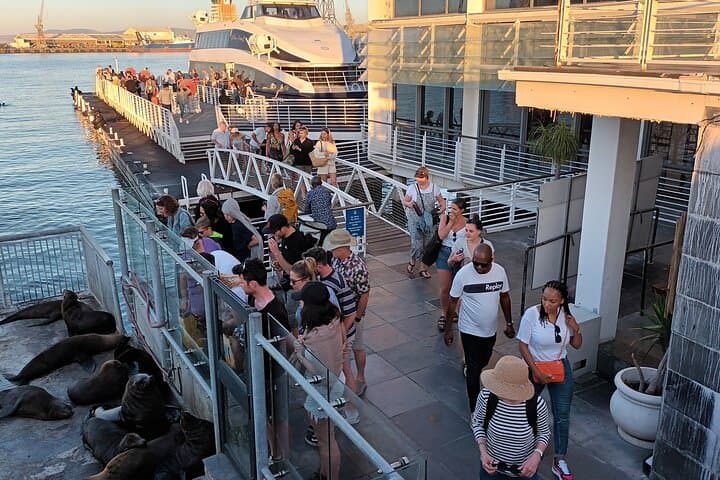

The ferry slips away from the V&A Waterfront and the city skyline shrinks; Table Mountain watches as Table Bay opens and the island’s low profile grows darker against the horizon. Salt spray and wind pick up, and by the time you step onto Robben Island the air feels like a challenge — part weather, part history — an immediate sense that this place alters how you look at the shore you left behind.
The ferry slips away from the V&A Waterfront and the city skyline shrinks; Table Mountain watches as Table Bay opens and the island’s low profile grows darker against the horizon. Salt spray and wind pick up, and by the time you step onto Robben Island the air feels like a challenge — part weather, part history — an immediate sense that this place alters how you look at the shore you left behind.
Robben Island’s limestone plains and flattened slopes were once a strategic outpost, a leper settlement and, most famously, the political prison where Nelson Mandela served 18 of his 27 years of incarceration. Geologically simple — wind-scoured rock and quarry scars — the island’s features are nonetheless distinct: the white quarry cuts that once supplied aggregate, the compact prison terraces, and the lone lighthouse marking navigational hazards.
Led by former political prisoners, the guided route moves from the ferry landing to the maximum-security cellblocks, Mandela’s narrow cell, and then around the island by bus to the quarry and leper graveyard. Guides combine first-hand testimony with documentary detail, making the tour both memoir and civic history lesson.
Practicalities matter: the full experience lasts about four hours, and you must arrive at the Nelson Mandela Gateway at the V&A Waterfront 30 minutes before departure. Ferries operate across Table Bay and may be rough in strong winds; dress in layers, bring sun protection and motion-sickness remedies, and plan for limited food options. The site is a UNESCO World Heritage destination — visit with respect, allow time to absorb the stories, and be prepared for an emotionally weighty but deeply informative day trip from Cape Town.