THE ADVENTURE COLLECTIVE® · Independent discovery and booking for outdoor travel

Combine a ferry trip to the Robben Island Prison Museum with an afternoon of wine tasting in Constantia. This full-day tour pairs powerful history with cool-climate vineyards and scenic drives from Cape Town.
Combine a ferry trip to the Robben Island Prison Museum with an afternoon of wine tasting in Constantia. This full-day tour pairs powerful history with cool-climate vineyards and scenic drives from Cape Town.
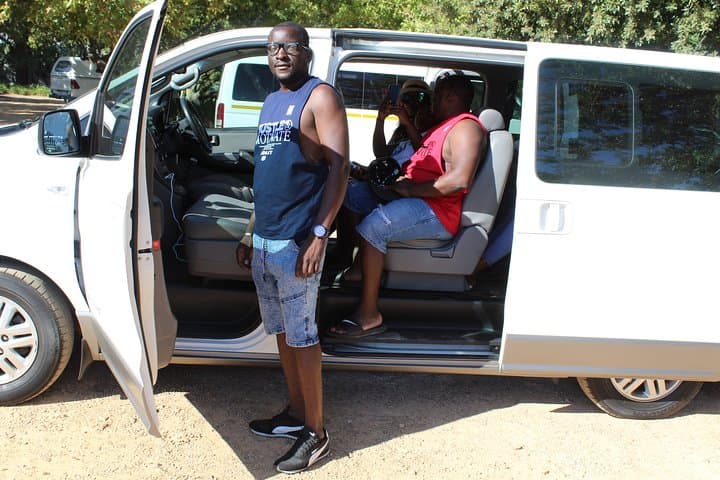
You step off the air-conditioned shuttle at the Silo Hotel drop-off and the wind from Table Bay is already working on your hair — the ferry horns cut through gull cries as the city recedes and Robben Island grows out of the haze like a low-slung outcrop.
Verified experiences and guided adventures in the surrounding area.
Operated by Remigeous Tsuro · Cape Town, Western Cape
You step off the air-conditioned shuttle at the Silo Hotel drop-off and the wind from Table Bay is already working on your hair — the ferry horns cut through gull cries as the city recedes and Robben Island grows out of the haze like a low-slung outcrop.
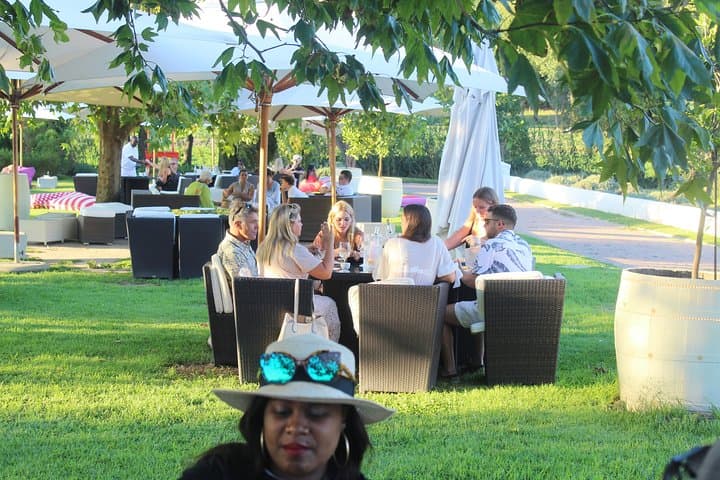
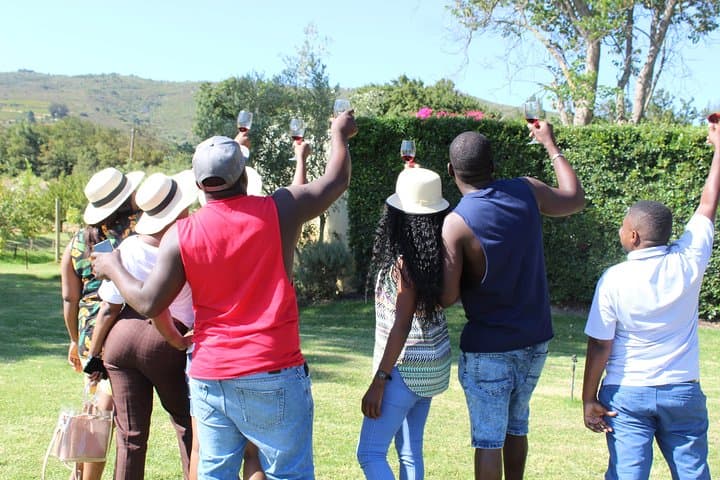
The day stitches two distinct South African narratives: a ferry run across cold currents to a World Heritage prison museum where Nelson Mandela served 18 years, and a drive through leafy Constantia to century-old estates producing cool-climate wines. On Robben Island the landscape is limestone and coral rubble; the Blue Quarry and the cell blocks give a blunt, physical vocabulary to apartheid-era policies. The Constantia Valley, by contrast, sits on weathered Cape granite and decomposed Table Mountain sandstone, vines swaying as if obliging the ocean breeze.
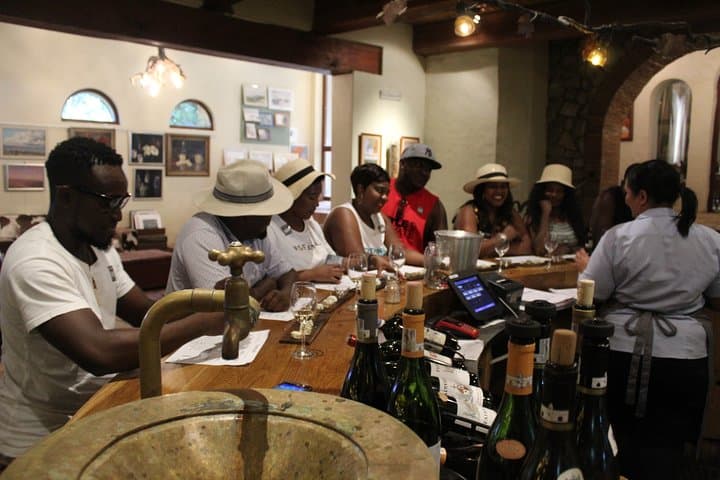
Culturally, the tour ties political history to colonial-era agriculture — guided stories highlight how enslaved and indentured labor shaped vineyards and local cuisine. Expect museum bus loops, a guided cellhouse walk often led by former inmates, and estate cellar tours with tastings and small platters.
Practically: book early for ferry slots, bring a passport or ID, and dress in layers — the bay is colder than the city. Wear sturdy shoes for quarry paths and cobbled estate yards; the ferry can be choppy, so those prone to seasickness should medicate in advance. Plan for an 8–9 hour day with hotel pickup and return; bottled water is provided but carry a small daypack for extra snacks and sun protection. The itinerary balances heavy history with convivial wine country hospitality — emotionally demanding at the museum, pleasantly restorative in the vineyards.
easy.
8–9 hours.
Suitable for most fitness levels; requires short on-foot sections and boarding a ferry.
Yes — this tour includes a return ferry ticket to Robben Island and the island bus and walking tours are led by accredited guides.
Tastings are included at designated estates; additional wines or food purchases are typically extra and can be bought on site.
Most areas in the itinerary are wheelchair accessible and the operator notes availability of infant seats; check specific accessibility needs when booking.
Ferry crossings can be canceled for safety; the tour’s cancellation policy allows refunds if the island visit is canceled due to weather.
Robben Island served as a political prison during apartheid; Nelson Mandela was imprisoned there for 18 years. Constantia is South Africa’s oldest wine-producing region, founded in the late 17th century with estates that reveal colonial and slave-era histories.
Robben Island and Cape Town estates manage visitor impact through controlled ferry capacity and estate-level waste and water practices; stick to paths and use provided receptacles to limit erosion and litter.
Remigeous Tsuro operates guided outdoor trips and adventures with an emphasis on safety, stewardship, and memorable experiences.
You step off the air-conditioned shuttle at the Silo Hotel drop-off and the wind from Table Bay is already working on your hair — the ferry horns cut through gull cries as the city recedes and Robben Island grows out of the haze like a low-slung outcrop.
You step off the air-conditioned shuttle at the Silo Hotel drop-off and the wind from Table Bay is already working on your hair — the ferry horns cut through gull cries as the city recedes and Robben Island grows out of the haze like a low-slung outcrop.
The day stitches two distinct South African narratives: a ferry run across cold currents to a World Heritage prison museum where Nelson Mandela served 18 years, and a drive through leafy Constantia to century-old estates producing cool-climate wines. On Robben Island the landscape is limestone and coral rubble; the Blue Quarry and the cell blocks give a blunt, physical vocabulary to apartheid-era policies. The Constantia Valley, by contrast, sits on weathered Cape granite and decomposed Table Mountain sandstone, vines swaying as if obliging the ocean breeze.
Culturally, the tour ties political history to colonial-era agriculture — guided stories highlight how enslaved and indentured labor shaped vineyards and local cuisine. Expect museum bus loops, a guided cellhouse walk often led by former inmates, and estate cellar tours with tastings and small platters.
Practically: book early for ferry slots, bring a passport or ID, and dress in layers — the bay is colder than the city. Wear sturdy shoes for quarry paths and cobbled estate yards; the ferry can be choppy, so those prone to seasickness should medicate in advance. Plan for an 8–9 hour day with hotel pickup and return; bottled water is provided but carry a small daypack for extra snacks and sun protection. The itinerary balances heavy history with convivial wine country hospitality — emotionally demanding at the museum, pleasantly restorative in the vineyards.