THE ADVENTURE COLLECTIVE® · Independent discovery and booking for outdoor travel

An 8‑hour cultural loop from the V&A Waterfront to Robben Island, Zeitz MOCAA, the Castle of Good Hope, District Six and Bo‑Kaap. Expect a ferry crossing, guided prison tour by an ex‑inmate, and curated contemporary art in a converted grain silo.
An 8‑hour cultural loop from the V&A Waterfront to Robben Island, Zeitz MOCAA, the Castle of Good Hope, District Six and Bo‑Kaap. Expect a ferry crossing, guided prison tour by an ex‑inmate, and curated contemporary art in a converted grain silo.
The V&A Waterfront smells like salt and diesel as the city wakes; ferries cut the mirror-flat harbor and the clock tower marks your meeting point. You board for Robben Island and the Atlantic pushes at the hull, a bracing first act before the slow, deliberate walk through a maximum-security cell block where the voice of an ex-prisoner maps the contours of 20th-century South Africa.
Verified experiences and guided adventures in the surrounding area.
Operated by Beyond Africa Safaris (Pty)Ltd · Cape Town, Western Cape
The V&A Waterfront smells like salt and diesel as the city wakes; ferries cut the mirror-flat harbor and the clock tower marks your meeting point. You board for Robben Island and the Atlantic pushes at the hull, a bracing first act before the slow, deliberate walk through a maximum-security cell block where the voice of an ex-prisoner maps the contours of 20th-century South Africa.
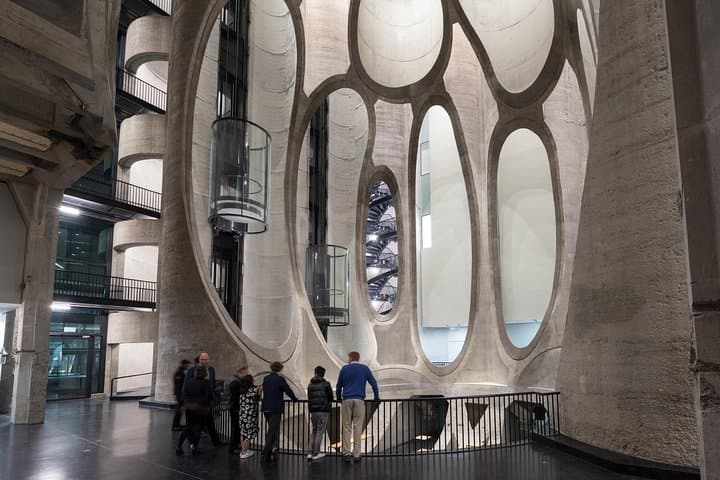
This eight‑hour loop pairs that island history with the art and architecture of Cape Town’s waterfront and inner city. Zeitz MOCAA occupies a repurposed grain silo—an industrial shell reworked into cathedral-like galleries showcasing contemporary African artists—while the Castle of Good Hope returns you to 17th‑century VOC fortifications. District Six Museum tells the intimate, painful story of forced removals, and the coloured houses of Bo‑Kaap offer quick photo stops and living cultural context.
Geology and sea shaped the route: Table Mountain’s ancient sandstone frames the city, and Robben Island’s limestone and shell layers were once quarried into lime for the Castle’s mortar. Culturally the tour compresses colonial, apartheid and post‑apartheid layers into a single day of narratives and objects.
Practical notes: the ferry and Robben Island tour take 3–4 hours—carry your passport, dress in windproof layers, and expect exposed walking and bus transfers on the island. The tour includes museum admissions and hotel pickup; bring cash or card for lunch at the waterfront. Timing is tight—start early to avoid afternoon winds—and be prepared for information-rich, emotionally heavy sites.
easy.
8 hours.
Suitable for most people who can walk short distances and manage stairs; includes ferry and bus transfers.
Yes—domestic or international visitors must present valid photo ID or a passport for ferry check‑in and ticket collection.
The full boat trip plus museum and bus tour typically lasts about 3–4 hours and is conducted with a returned prisoner guide.
Yes—infants and small children can use strollers, but expect some walking and bus transfers on uneven surfaces.
No—lunch at the V&A Waterfront is at your own expense; there’s usually time after the island return for a bite.
Robben Island served as a prison for political dissidents from the 17th century and most famously held Nelson Mandela for 18 years; the Castle of Good Hope dates to the late 1600s as a Dutch East India Company fort.
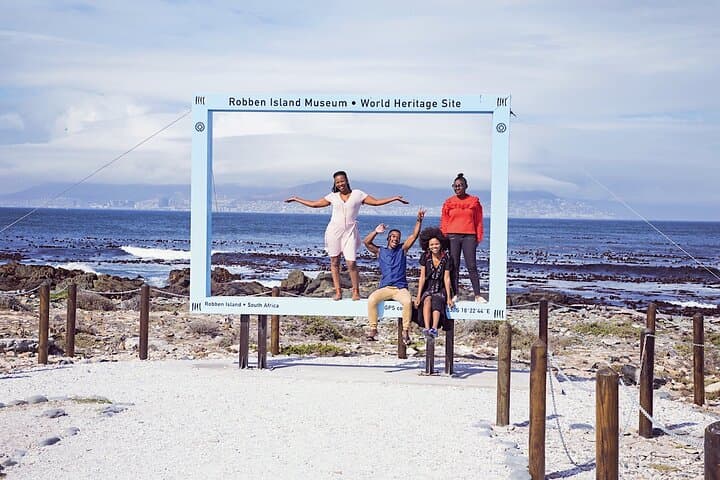
Robben Island is a UNESCO World Heritage Site and visitor numbers are managed to protect archaeological and ecological resources; follow site rules and avoid disturbing wildlife.
Beyond Africa Safaris (Pty)Ltd operates guided outdoor trips and adventures with an emphasis on safety, stewardship, and memorable experiences.

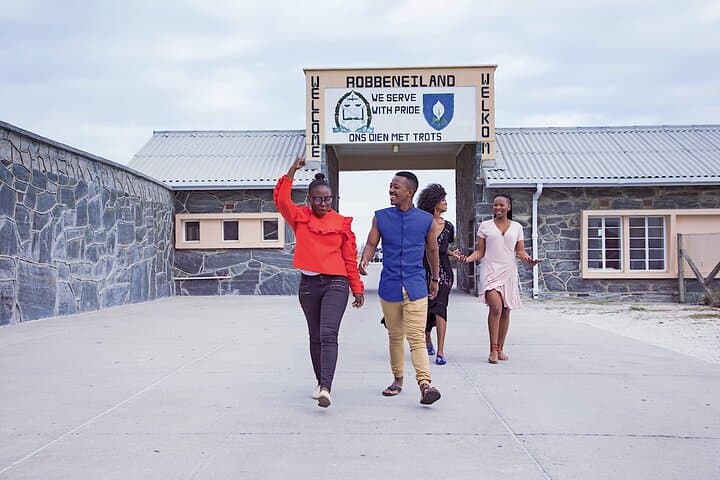
The V&A Waterfront smells like salt and diesel as the city wakes; ferries cut the mirror-flat harbor and the clock tower marks your meeting point. You board for Robben Island and the Atlantic pushes at the hull, a bracing first act before the slow, deliberate walk through a maximum-security cell block where the voice of an ex-prisoner maps the contours of 20th-century South Africa.
The V&A Waterfront smells like salt and diesel as the city wakes; ferries cut the mirror-flat harbor and the clock tower marks your meeting point. You board for Robben Island and the Atlantic pushes at the hull, a bracing first act before the slow, deliberate walk through a maximum-security cell block where the voice of an ex-prisoner maps the contours of 20th-century South Africa.
This eight‑hour loop pairs that island history with the art and architecture of Cape Town’s waterfront and inner city. Zeitz MOCAA occupies a repurposed grain silo—an industrial shell reworked into cathedral-like galleries showcasing contemporary African artists—while the Castle of Good Hope returns you to 17th‑century VOC fortifications. District Six Museum tells the intimate, painful story of forced removals, and the coloured houses of Bo‑Kaap offer quick photo stops and living cultural context.
Geology and sea shaped the route: Table Mountain’s ancient sandstone frames the city, and Robben Island’s limestone and shell layers were once quarried into lime for the Castle’s mortar. Culturally the tour compresses colonial, apartheid and post‑apartheid layers into a single day of narratives and objects.
Practical notes: the ferry and Robben Island tour take 3–4 hours—carry your passport, dress in windproof layers, and expect exposed walking and bus transfers on the island. The tour includes museum admissions and hotel pickup; bring cash or card for lunch at the waterfront. Timing is tight—start early to avoid afternoon winds—and be prepared for information-rich, emotionally heavy sites.