THE ADVENTURE COLLECTIVE® · Independent discovery and booking for outdoor travel

Board a ferry at the V&A Waterfront, stand in the cell where Nelson Mandela was imprisoned, then drive the raw cliffs of the Cape Peninsula to watch penguins at Boulders Beach. This private full-day tour pairs political history with rugged coastal scenery and accessible wildlife viewing.
Board a ferry at the V&A Waterfront, stand in the cell where Nelson Mandela was imprisoned, then drive the raw cliffs of the Cape Peninsula to watch penguins at Boulders Beach. This private full-day tour pairs political history with rugged coastal scenery and accessible wildlife viewing.
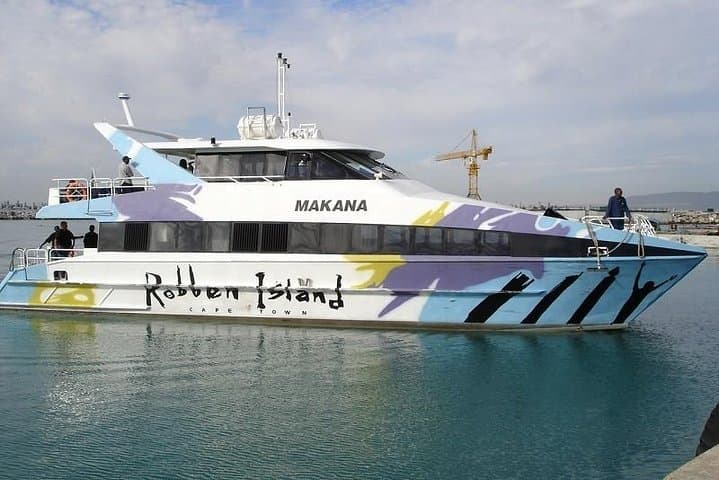
The ferry slips away from the V&A Waterfront under a wash of low, stainless light as Table Mountain watches like an old guardian. Salt and diesel braid in the air while Cape Town thins into a coastline of slate cliffs and low scrub. By the time Robben Island hoves into sight—gray rock punctuated by whitewashed buildings—you feel the city fall away; the Atlantic is suddenly an actor in the story, insisting on distance and perspective.
Verified experiences and guided adventures in the surrounding area.
Operated by Matadi Africa And Travel Tours · Cape Town, Western Cape
The ferry slips away from the V&A Waterfront under a wash of low, stainless light as Table Mountain watches like an old guardian. Salt and diesel braid in the air while Cape Town thins into a coastline of slate cliffs and low scrub. By the time Robben Island hoves into sight—gray rock punctuated by whitewashed buildings—you feel the city fall away; the Atlantic is suddenly an actor in the story, insisting on distance and perspective.
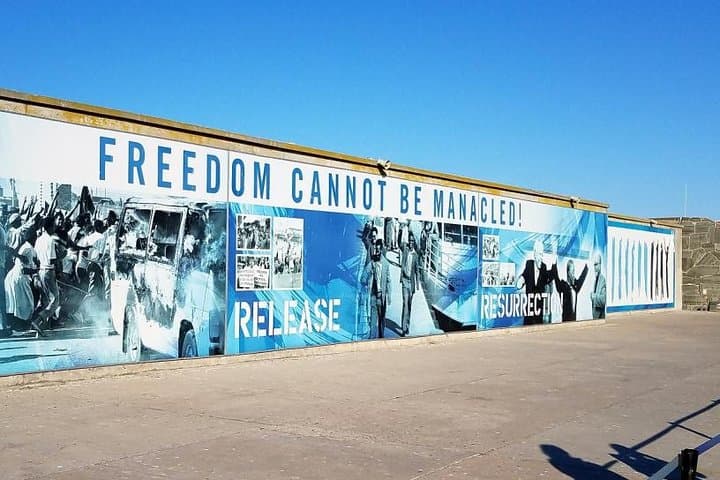
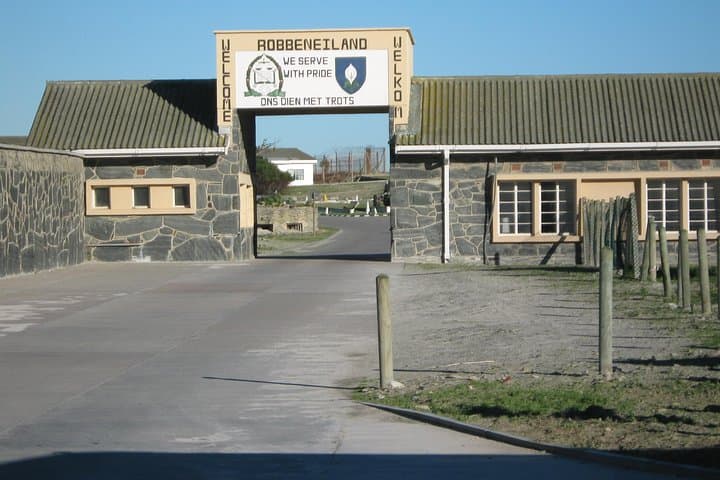
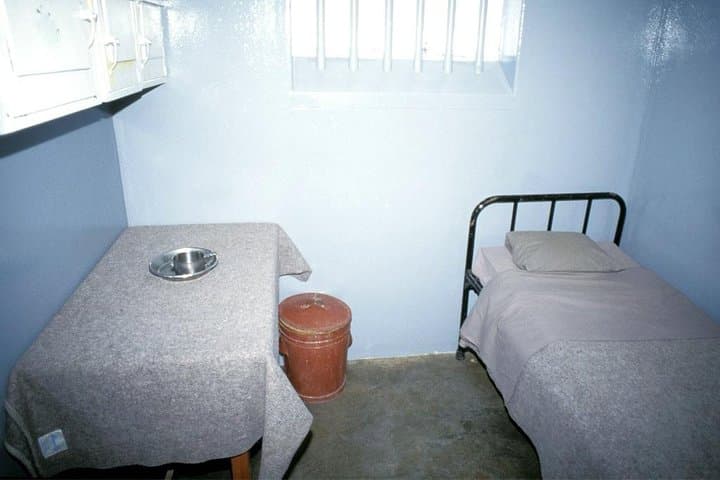
Robben Island is compact and plain, but its surfaces hold deep history. Once a leper colony, then a maximum-security prison where Nelson Mandela served 18 of his 27 years, the island’s buildings and quarry speak in blunt, factual lines. The museum’s bus tour is often led by former political prisoners; their voices map timelines and small human details onto the concrete cells. Seeing Mandela’s cell is quieting: the room’s dimensions and the sparse objects inside reframe the scale of endurance.
From the island the tour moves along the Cape Peninsula—a geological knife of Table Mountain sandstone and Cape Granite carved by wind and wave. Cape Point’s cliffs tilt toward the Southern Ocean; seabirds quarter the air and the currents below seem to dare anyone to cross them. Drive Chapman's Peak for the classic coastal ribbon road, where volcanic and sedimentary bands take turns in the cliff face.
The day softens at Boulders Beach, where African penguins waddle between granite boulders and the water hums with small, confident waves. Simon’s Town adds a maritime chapter—naval history, harbor views and a town center that remembers sailors and sea trade. Muizenberg’s colorful huts and surf-sprung crowds provide a casual, lived-in counterpoint to the day’s weightier stops.
Practicalities: this is a full-day private tour (roughly 8 hours) that begins with hotel pickup and includes ferry tickets and admissions. Robben Island crossings are weather-dependent; dress in layers and bring a windproof jacket for cold crosswinds on deck. Wear sturdy shoes—cobblestones, short walks and museum ramps are part of the itinerary. Cameras are welcome inside most outdoor areas but respect restrictions in certain indoor exhibits.
Timing matters: book morning sailings to avoid cancellations from afternoon weather and to keep penguin viewing in gentler light. Expect some walking and standing; the bus segments shorten distances but bring binoculars for birdlife and the Cape floristic region. Respect the sites: Robben Island is a memorial and active museum; be present, listen, and take notes rather than loud photos.
This tour stitches together political history, dramatic coastal geology and accessible wildlife viewing into one navigable day—an efficient way to hold both the gravity of South Africa’s past and the blunt, invigorating beauty of its coastline.
easy.
8 hours.
Suitable for travelers with basic mobility who can stand and walk for short periods; minimal climbs.
The full-day private tour lasts about 8 hours, including hotel pickup, ferry to Robben Island and the Cape Peninsula loop.
Yes—round-trip ferry tickets to Robben Island and admissions cited in the itinerary are included in the booking.
Each traveler is allowed one suitcase and one carry-on; oversized items may be restricted—check with the operator ahead of time.
The tour and transportation options are listed as wheelchair accessible, though access on Robben Island can be limited in certain historic buildings—notify the operator about requirements.
Layered clothing, a windproof jacket and sturdy walking shoes; sun protection in summer and warmer mid-layers in winter.
Some Robben Island bus tours are led by former political prisoners—these are scheduled depending on availability and provide first-hand historical context.
Robben Island has served multiple roles—from leper colony to military base to the prison where Nelson Mandela and others were held during apartheid—and now operates as a museum and heritage site.
The Cape Peninsula is part of the Cape Floristic Region, a biodiversity hotspot; stay on boardwalks and follow local guidelines to protect fragile fynbos and nesting birds.
Matadi Africa And Travel Tours operates guided outdoor trips and adventures with an emphasis on safety, stewardship, and memorable experiences.
The ferry slips away from the V&A Waterfront under a wash of low, stainless light as Table Mountain watches like an old guardian. Salt and diesel braid in the air while Cape Town thins into a coastline of slate cliffs and low scrub. By the time Robben Island hoves into sight—gray rock punctuated by whitewashed buildings—you feel the city fall away; the Atlantic is suddenly an actor in the story, insisting on distance and perspective.
The ferry slips away from the V&A Waterfront under a wash of low, stainless light as Table Mountain watches like an old guardian. Salt and diesel braid in the air while Cape Town thins into a coastline of slate cliffs and low scrub. By the time Robben Island hoves into sight—gray rock punctuated by whitewashed buildings—you feel the city fall away; the Atlantic is suddenly an actor in the story, insisting on distance and perspective.
Robben Island is compact and plain, but its surfaces hold deep history. Once a leper colony, then a maximum-security prison where Nelson Mandela served 18 of his 27 years, the island’s buildings and quarry speak in blunt, factual lines. The museum’s bus tour is often led by former political prisoners; their voices map timelines and small human details onto the concrete cells. Seeing Mandela’s cell is quieting: the room’s dimensions and the sparse objects inside reframe the scale of endurance.
From the island the tour moves along the Cape Peninsula—a geological knife of Table Mountain sandstone and Cape Granite carved by wind and wave. Cape Point’s cliffs tilt toward the Southern Ocean; seabirds quarter the air and the currents below seem to dare anyone to cross them. Drive Chapman's Peak for the classic coastal ribbon road, where volcanic and sedimentary bands take turns in the cliff face.
The day softens at Boulders Beach, where African penguins waddle between granite boulders and the water hums with small, confident waves. Simon’s Town adds a maritime chapter—naval history, harbor views and a town center that remembers sailors and sea trade. Muizenberg’s colorful huts and surf-sprung crowds provide a casual, lived-in counterpoint to the day’s weightier stops.
Practicalities: this is a full-day private tour (roughly 8 hours) that begins with hotel pickup and includes ferry tickets and admissions. Robben Island crossings are weather-dependent; dress in layers and bring a windproof jacket for cold crosswinds on deck. Wear sturdy shoes—cobblestones, short walks and museum ramps are part of the itinerary. Cameras are welcome inside most outdoor areas but respect restrictions in certain indoor exhibits.
Timing matters: book morning sailings to avoid cancellations from afternoon weather and to keep penguin viewing in gentler light. Expect some walking and standing; the bus segments shorten distances but bring binoculars for birdlife and the Cape floristic region. Respect the sites: Robben Island is a memorial and active museum; be present, listen, and take notes rather than loud photos.
This tour stitches together political history, dramatic coastal geology and accessible wildlife viewing into one navigable day—an efficient way to hold both the gravity of South Africa’s past and the blunt, invigorating beauty of its coastline.