THE ADVENTURE COLLECTIVE® · Independent discovery and booking for outdoor travel

Cross Table Bay to visit Robben Island’s stark prison, wander Bo-Kaap’s color-drenched streets, and ride the Table Mountain Cableway for sweeping views. This full-day tour pairs South African history with coastal panoramas and practical, accessible sightseeing.
Cross Table Bay to visit Robben Island’s stark prison, wander Bo-Kaap’s color-drenched streets, and ride the Table Mountain Cableway for sweeping views. This full-day tour pairs South African history with coastal panoramas and practical, accessible sightseeing.
You step onto the Cape Town waterfront with salt on the wind and Table Mountain’s flat crown filling the sky; the Atlantic hisses around the harbour, as if urging you toward the ferry.
Verified experiences and guided adventures in the surrounding area.
Operated by Cape Horizon Tours · Cape Town, Western Cape
You step onto the Cape Town waterfront with salt on the wind and Table Mountain’s flat crown filling the sky; the Atlantic hisses around the harbour, as if urging you toward the ferry.
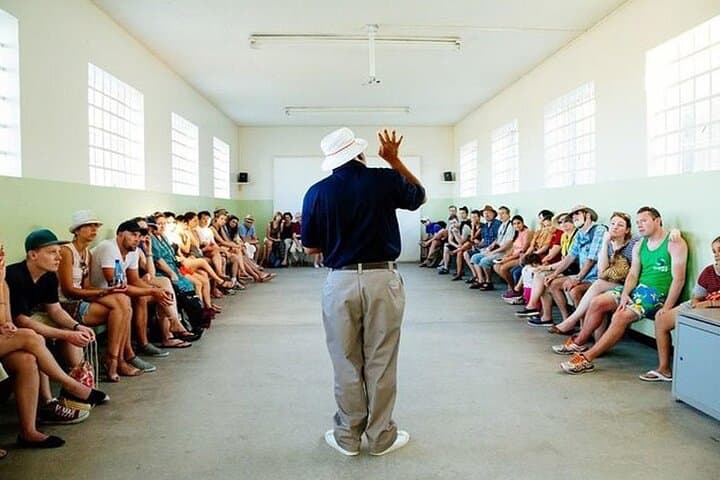
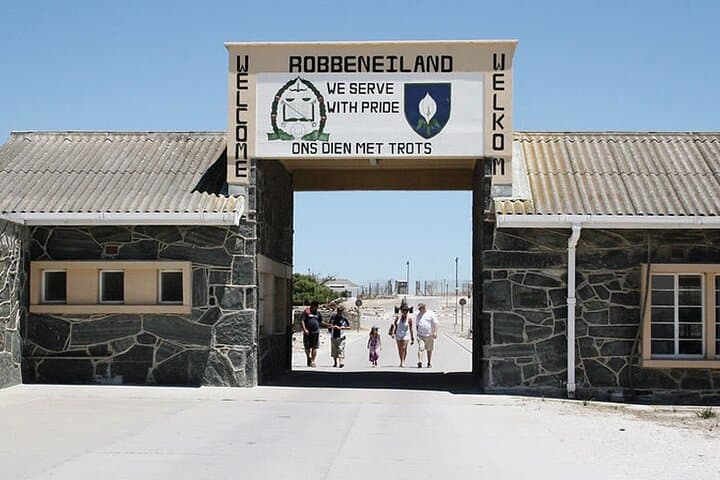
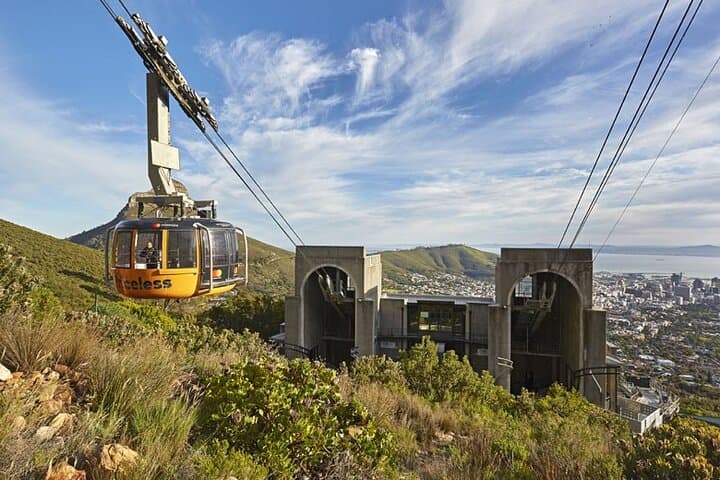
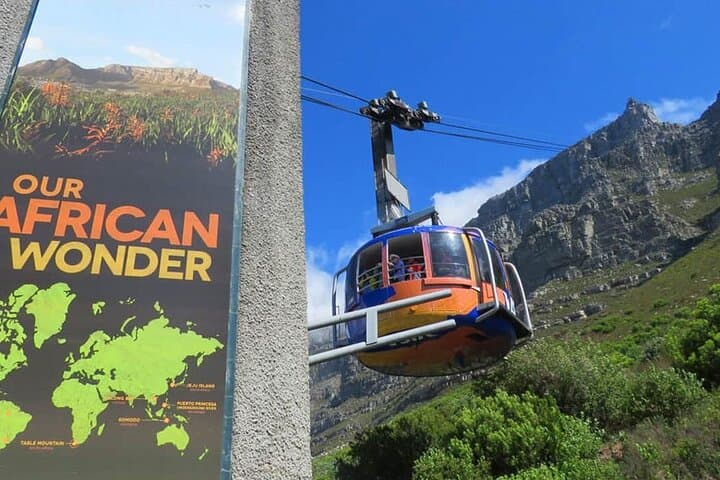
The day moves in distinct chapters: a ferry crossing to Robben Island where cellblocks and concrete speak of apartheid-era confinement; a stroll through Bo-Kaap’s compact streets where spice-scented air and painted façades mark Cape Malay culture; and a final ascent on the Table Mountain Cableway that trades the city for wind-brushed panoramas.
Robben Island’s limestone and shale tell a geological story of ancient seas and human upheaval — the prison complex is a raw historical ledger, with guided accounts from former inmates that ground the site’s significance. Bo-Kaap preserves cultural threads brought by enslaved and free Malay communities, visible in cuisine, mosques, and tight urban fabric. Table Mountain’s sandstone plateau supports fynbos — low, resilient shrubland shaped by fire and wind — and offers vantage points that reframe Cape Town’s geography: city, mountain, ocean.
Practically, expect ferry schedules to set the rhythm; the Robben Island visit includes a guide and walking on uneven surfaces, while the cableway provides easy access to summit trails. Wear sturdy walking shoes, pack sun protection and a wind layer, and allow the full eight hours for pick-up, crossings, tours, and return.
For photographers and history-minded travelers alike, this route balances powerful narratives with elemental coastal scenery — a compact, navigable day that connects place, past, and panorama.
easy.
8 hours.
Suitable for most fitness levels; requires some walking and standing during museum tours and at viewpoints
Yes—transport and many surfaces are wheelchair accessible, but some Robben Island areas and summit viewpoints have uneven terrain; check with the operator for specific assistance needs.
Ferry tickets are scheduled in set slots (e.g., 09:00, 11:00, 13:00, 15:00) and are included in the tour—timing is booked in advance so arrive on time for your assigned sailing.
The cableway admission is included; you can explore summit paths during the allocated time, but the day’s schedule is structured so allow the guide’s timing for return transfer.
Tipping is appreciated for good service—common practice is about 10–15% of the tour cost shared between guide and driver, but tip according to satisfaction.
Robben Island served as a high-security prison during apartheid and held Nelson Mandela for 18 of his 27 years of incarceration; Bo-Kaap reflects Cape Malay heritage dating to the 18th and 19th centuries.
Table Mountain’s fynbos is fire-adapted and sensitive to trampling—stick to marked paths; Robben Island and coastal waters are protected, so avoid disturbing wildlife and follow guide instructions.
Cape Horizon Tours operates guided outdoor trips and adventures with an emphasis on safety, stewardship, and memorable experiences.
You step onto the Cape Town waterfront with salt on the wind and Table Mountain’s flat crown filling the sky; the Atlantic hisses around the harbour, as if urging you toward the ferry.
You step onto the Cape Town waterfront with salt on the wind and Table Mountain’s flat crown filling the sky; the Atlantic hisses around the harbour, as if urging you toward the ferry.
The day moves in distinct chapters: a ferry crossing to Robben Island where cellblocks and concrete speak of apartheid-era confinement; a stroll through Bo-Kaap’s compact streets where spice-scented air and painted façades mark Cape Malay culture; and a final ascent on the Table Mountain Cableway that trades the city for wind-brushed panoramas.
Robben Island’s limestone and shale tell a geological story of ancient seas and human upheaval — the prison complex is a raw historical ledger, with guided accounts from former inmates that ground the site’s significance. Bo-Kaap preserves cultural threads brought by enslaved and free Malay communities, visible in cuisine, mosques, and tight urban fabric. Table Mountain’s sandstone plateau supports fynbos — low, resilient shrubland shaped by fire and wind — and offers vantage points that reframe Cape Town’s geography: city, mountain, ocean.
Practically, expect ferry schedules to set the rhythm; the Robben Island visit includes a guide and walking on uneven surfaces, while the cableway provides easy access to summit trails. Wear sturdy walking shoes, pack sun protection and a wind layer, and allow the full eight hours for pick-up, crossings, tours, and return.
For photographers and history-minded travelers alike, this route balances powerful narratives with elemental coastal scenery — a compact, navigable day that connects place, past, and panorama.