THE ADVENTURE COLLECTIVE® · Independent discovery and booking for outdoor travel

Combine a ferry crossing to Robben Island’s historic prison with a summit visit to Table Mountain on a single, action-packed day in Cape Town. Expect a guided island tour, dramatic coastal views, and either a short cable-car ride or a steep hike to the plateau.
Combine a ferry crossing to Robben Island’s historic prison with a summit visit to Table Mountain on a single, action-packed day in Cape Town. Expect a guided island tour, dramatic coastal views, and either a short cable-car ride or a steep hike to the plateau.
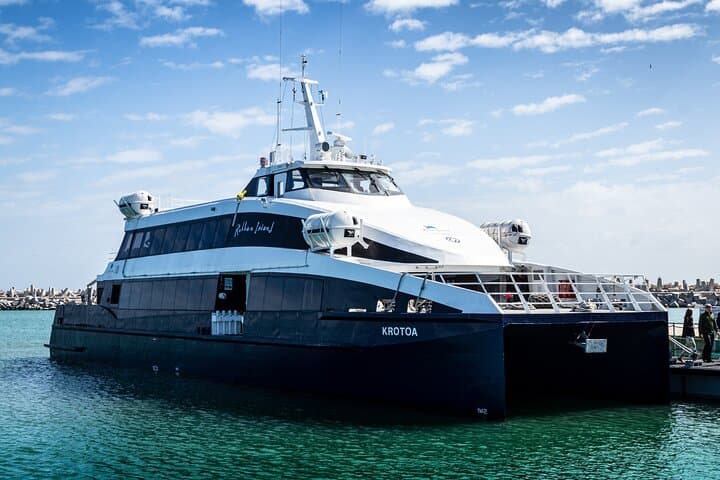
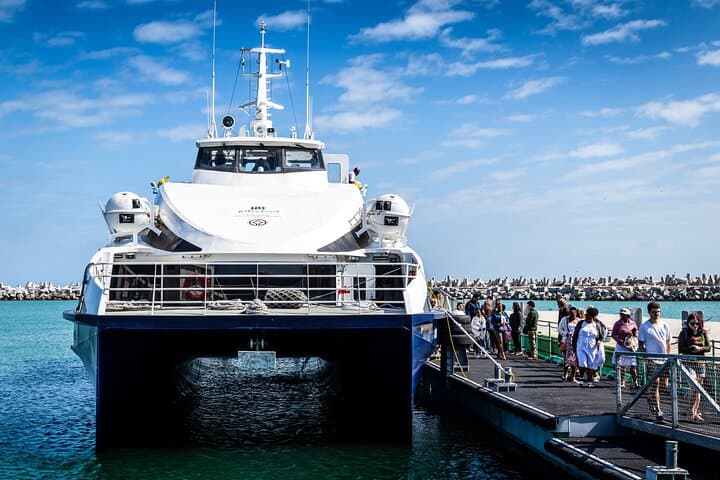
On a brisk Cape Town morning the harbor smells of salt and diesel; the ferry lurches out past quay cranes and the city shrinks to a rim of roofs while Robben Island’s whitewashed prison buildings grow sharp against the flat horizon.
Verified experiences and guided adventures in the surrounding area.
Operated by Africa Afrika Travel · Cape Town, Western Cape
On a brisk Cape Town morning the harbor smells of salt and diesel; the ferry lurches out past quay cranes and the city shrinks to a rim of roofs while Robben Island’s whitewashed prison buildings grow sharp against the flat horizon.
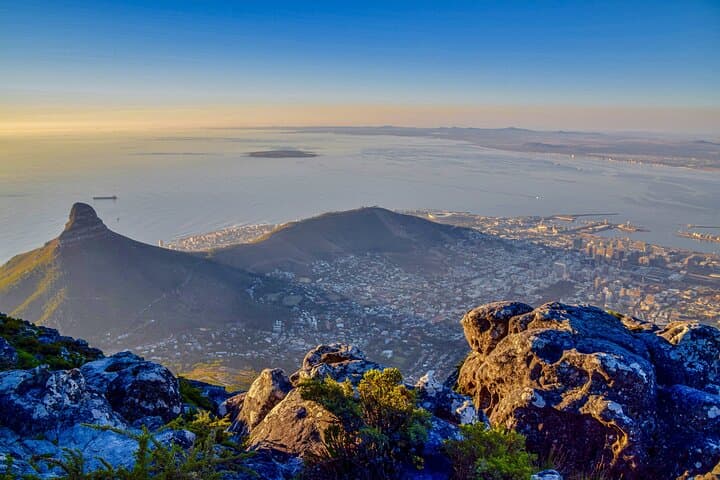
Visitors step ashore into a place that held Nelson Mandela and other anti-apartheid leaders, where the prison cells and quarry tell a tightly wound story of politics and endurance. Geologically, Table Mountain looms nearby — an ancient sandstone mesa formed over hundreds of millions of years — its flat top often capped by a swift-moving cloud the locals call the “tablecloth.” The two sites together frame Cape Town’s layered history: colonial ports, struggle-era memory, and a landscape shaped by wind, waves, and time.
Expect a ferry crossing of roughly 45–60 minutes each way, guided tours of the prison buildings (typically 1–2 hours on the island), and then a trip up Table Mountain by cable car or a 1–2 hour steep hike for those who choose to walk. Terrain shifts from coastal concrete to island paths to rugged sandstone ridgelines; wind and sun are constant actors—sometimes gentle, sometimes fierce.
Practicalities: bring your passport or photo ID for island security, plan morning departures to avoid afternoon winds, and wear layered windproof clothing. Hydration and sturdy footwear matter—the quarry and the mountain are unforgiving when you’re unprepared. Combined, the day balances history, geology, and sweeping city-to-sea views that reward early planning and sensible gear.
moderate.
4 hours.
Moderate fitness for walking between sites; choose cable car for a low-impact option or be prepared for a 1–2 hour steep hike up Table Mountain.
Yes. All visitors must present a valid passport or government-issued photo ID at check-in for the Robben Island ferry.
Cable car access depends on the operator and weather; many combined tours include the cable car but confirm at booking and carry a contingency plan to hike if it’s closed.
The ferry ride typically takes about 45–60 minutes each way, depending on sea conditions and the departure point.
The Robben Island boat and guided tour are generally accessible, but some areas have uneven ground; the Table Mountain cable car reduces physical demand, while the hiking option is strenuous and not suitable for everyone.
Robben Island served as a political prison during apartheid where Nelson Mandela was held for 18 of his 27 years; its sites are preserved as part of South Africa’s living memory.
Robben Island and Table Mountain are managed with visitor limits and conservation programs to protect nesting seabirds, endemic fynbos vegetation, and fragile sandstone habitats.
Africa Afrika Travel operates guided outdoor trips and adventures with an emphasis on safety, stewardship, and memorable experiences.
On a brisk Cape Town morning the harbor smells of salt and diesel; the ferry lurches out past quay cranes and the city shrinks to a rim of roofs while Robben Island’s whitewashed prison buildings grow sharp against the flat horizon.
On a brisk Cape Town morning the harbor smells of salt and diesel; the ferry lurches out past quay cranes and the city shrinks to a rim of roofs while Robben Island’s whitewashed prison buildings grow sharp against the flat horizon.
Visitors step ashore into a place that held Nelson Mandela and other anti-apartheid leaders, where the prison cells and quarry tell a tightly wound story of politics and endurance. Geologically, Table Mountain looms nearby — an ancient sandstone mesa formed over hundreds of millions of years — its flat top often capped by a swift-moving cloud the locals call the “tablecloth.” The two sites together frame Cape Town’s layered history: colonial ports, struggle-era memory, and a landscape shaped by wind, waves, and time.
Expect a ferry crossing of roughly 45–60 minutes each way, guided tours of the prison buildings (typically 1–2 hours on the island), and then a trip up Table Mountain by cable car or a 1–2 hour steep hike for those who choose to walk. Terrain shifts from coastal concrete to island paths to rugged sandstone ridgelines; wind and sun are constant actors—sometimes gentle, sometimes fierce.
Practicalities: bring your passport or photo ID for island security, plan morning departures to avoid afternoon winds, and wear layered windproof clothing. Hydration and sturdy footwear matter—the quarry and the mountain are unforgiving when you’re unprepared. Combined, the day balances history, geology, and sweeping city-to-sea views that reward early planning and sensible gear.