THE ADVENTURE COLLECTIVE® · Independent discovery and booking for outdoor travel

Combine a moving visit to Robben Island Prison with an afternoon of vineyard tastings in Stellenbosch. This full-day tour links South Africa’s recent history with the winelands’ rich geology and tasting culture.
Combine a moving visit to Robben Island Prison with an afternoon of vineyard tastings in Stellenbosch. This full-day tour links South Africa’s recent history with the winelands’ rich geology and tasting culture.
The morning air off the V&A Waterfront is sharp with salt and early traffic as the boat chugs toward Robben Island; gulls wheel and the harbor seems to dare you to look away. On the island, wind-swept quarry faces and low stone cells hold quiet that contrasts with the wide, sunlit vineyards later in the day, where oak-lined avenues and rolling granite outcrops cradle Stellenbosch's tasting rooms.
Verified experiences and guided adventures in the surrounding area.
Operated by Remigeous Tsuro · Cape Town, Western Cape
The morning air off the V&A Waterfront is sharp with salt and early traffic as the boat chugs toward Robben Island; gulls wheel and the harbor seems to dare you to look away. On the island, wind-swept quarry faces and low stone cells hold quiet that contrasts with the wide, sunlit vineyards later in the day, where oak-lined avenues and rolling granite outcrops cradle Stellenbosch's tasting rooms.
Robben Island is a compact chapter of South Africa’s modern history: the prison where Nelson Mandela served 18 of his 27 years is set against the flat, stony reef that kept islands defensible but isolated. Back on the mainland, the Cape Winelands sit on ancient Cape Granite and Table Mountain sandstone—Paarl Rock and the Stellenbosch foothills shape microclimates that make for expressive Chenin Blancs and world-class reds.
Culturally the day pairs solemn education with convivial tasting: registered guides explain apartheid-era life and reconciliation while veteran cellar masters walk you through terroir, barrel aging, and pairing basics. Biodiversity is visible between stops—fynbos clings to road cuttings and vineyard hedgerows host sunbathing lizards.
Practicalities matter: the full experience is a long day (about eight hours) with ferry crossings that depend on weather, so motion-sickness prep and layered clothing are smart. Bring comfortable shoes for cobbled yards and gravel at Robben Island, cash or card for wine purchases, and time to savor rather than rush the tastings. Expect a thoughtful balance of history, landscape, and Cape hospitality—an informative, sensory day that moves from remembrance to the relaxed ritual of wine.
easy.
8 hours.
Suitable for most fitness levels; involves short walks on uneven ground and standing during tours and tastings.
The ferry crossing is roughly 30–40 minutes each way, but total island time depends on the guided tour schedule included in the visit.
Tasting formats vary by estate—many offer included guided tastings but bottle purchases, specialty pairings and meals are usually extra.
Yes; the itinerary is rated easy and family-friendly, though the prison visit is solemn and may not engage very young children.
Operators typically offer a full refund or reschedule; the cancellation policy often requires 24-hour notice for full refunds but check the provider’s terms.
Robben Island’s prison was a central site in the anti-apartheid struggle; guided visits often include personal accounts from former political prisoners and the Blue Quarry where inmates worked.
Vineyards and island stops sit within sensitive fynbos ecosystems—stay on designated paths, avoid picking plants, and support estates with conservation or water-wise practices.
Remigeous Tsuro operates guided outdoor trips and adventures with an emphasis on safety, stewardship, and memorable experiences.


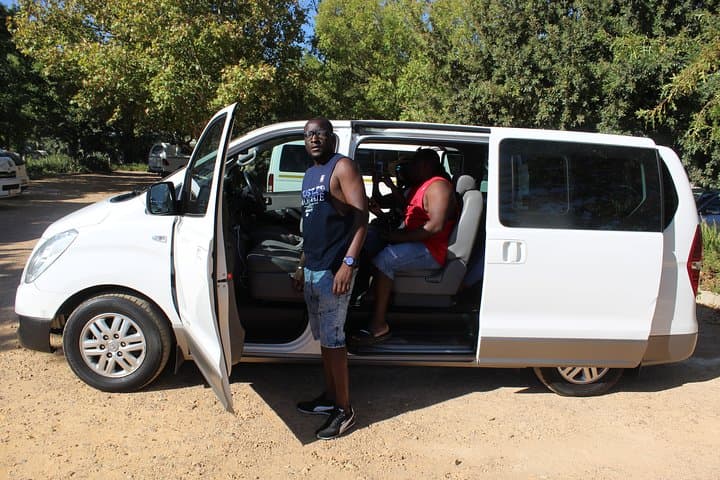

The morning air off the V&A Waterfront is sharp with salt and early traffic as the boat chugs toward Robben Island; gulls wheel and the harbor seems to dare you to look away. On the island, wind-swept quarry faces and low stone cells hold quiet that contrasts with the wide, sunlit vineyards later in the day, where oak-lined avenues and rolling granite outcrops cradle Stellenbosch's tasting rooms.
The morning air off the V&A Waterfront is sharp with salt and early traffic as the boat chugs toward Robben Island; gulls wheel and the harbor seems to dare you to look away. On the island, wind-swept quarry faces and low stone cells hold quiet that contrasts with the wide, sunlit vineyards later in the day, where oak-lined avenues and rolling granite outcrops cradle Stellenbosch's tasting rooms.
Robben Island is a compact chapter of South Africa’s modern history: the prison where Nelson Mandela served 18 of his 27 years is set against the flat, stony reef that kept islands defensible but isolated. Back on the mainland, the Cape Winelands sit on ancient Cape Granite and Table Mountain sandstone—Paarl Rock and the Stellenbosch foothills shape microclimates that make for expressive Chenin Blancs and world-class reds.
Culturally the day pairs solemn education with convivial tasting: registered guides explain apartheid-era life and reconciliation while veteran cellar masters walk you through terroir, barrel aging, and pairing basics. Biodiversity is visible between stops—fynbos clings to road cuttings and vineyard hedgerows host sunbathing lizards.
Practicalities matter: the full experience is a long day (about eight hours) with ferry crossings that depend on weather, so motion-sickness prep and layered clothing are smart. Bring comfortable shoes for cobbled yards and gravel at Robben Island, cash or card for wine purchases, and time to savor rather than rush the tastings. Expect a thoughtful balance of history, landscape, and Cape hospitality—an informative, sensory day that moves from remembrance to the relaxed ritual of wine.