THE ADVENTURE COLLECTIVE® · Independent discovery and booking for outdoor travel

Combine a ferry crossing to Robben Island with a visit to the expansive Long March to Freedom bronze exhibition in Cape Town. This guided half-day tour pairs firsthand prison-history narration with a sprawling public sculpture procession that charts South Africa’s struggle for freedom.
Combine a ferry crossing to Robben Island with a visit to the expansive Long March to Freedom bronze exhibition in Cape Town. This guided half-day tour pairs firsthand prison-history narration with a sprawling public sculpture procession that charts South Africa’s struggle for freedom.
You step onto the wind-scoured quay at the V&A Waterfront, the Atlantic pressing cool air against your face as seals snooze on nearby rocks and the ferry horn rumbles like a call to memory.
Verified experiences and guided adventures in the surrounding area.
Operated by Raw African Safaris · Cape Town, Western Cape
You step onto the wind-scoured quay at the V&A Waterfront, the Atlantic pressing cool air against your face as seals snooze on nearby rocks and the ferry horn rumbles like a call to memory.
The half-day tour pairs two different but connected chapters of South African history. Robben Island sits three kilometres off Cape Town — a flat, wind-bleached outcrop that became a maximum-security prison during apartheid. On the island, former inmates-turned-guides lead groups past cells, work yards and the tiny room where Nelson Mandela spent years; their voices give the facts weight and firsthand context. The return crossing frames Table Mountain and the city, geology and urban life rubbing shoulders across a narrow channel.
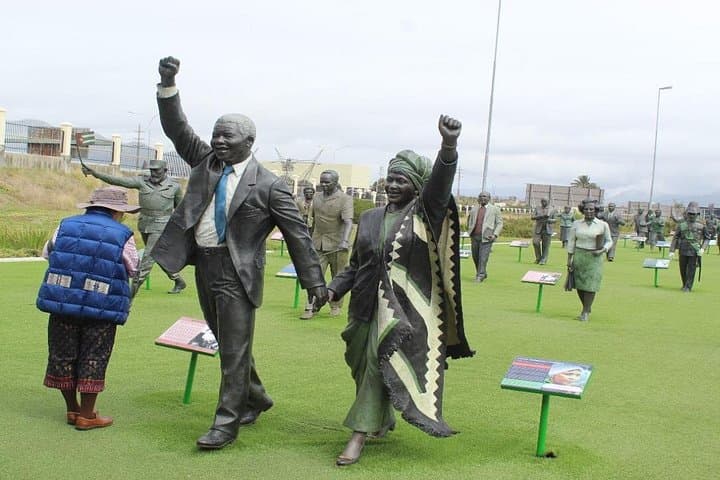
Back on the mainland the Long March to Freedom exhibition presents hundreds of life-size bronze figures in procession, narrating 350 years of struggle and resilience through sculpted portraiture. The statues are literal, deliberate and deliberately growing; each figure is placed to tell a civic story in public space.
Practicalities are straightforward but important: the tour is roughly 6 hours including ferry transfers, so carry your passport and a weatherproof layer — the ocean can change on an hour. Footwear should be comfortable and slip-resistant for short walks on gravel and concrete. Expect wind, sun and occasional sea spray; sunglasses, sunscreen and a small daypack are useful. Book the ferry in advance, arrive early at the Nelson Mandela Gateway for check-in, and be prepared to follow guidance from staff and ex-prisoner guides. The experience is primarily educational but deeply visceral — history you can walk through, the sea daring you to look back at the shore.
easy.
6 hours.
Suitable for most fitness levels; requires short walks on uneven surfaces and standing during guided talks
The full experience runs about six hours, including ferry crossings, island tour and the Long March to Freedom exhibition visit.
Ferries leave from the Nelson Mandela Gateway at the V&A Waterfront; arrive early for check-in and security screening.
Yes; the tour is suitable for most ages, though infants must sit on an adult’s lap on the ferry and some content may be heavy for young children.
Yes—many island tours are led by former political prisoners or staff who worked on the island, offering firsthand perspectives.
Robben Island was used as a prison and leper colony for centuries and became a symbol of apartheid-era incarceration; Nelson Mandela was confined here for 18 of his 27 years in prison.
The island is a protected heritage site with strict visitor controls to preserve archaeological remains and natural habitats; visitors are asked to stay on designated paths and follow guide instructions.
Raw African Safaris operates guided outdoor trips and adventures with an emphasis on safety, stewardship, and memorable experiences.
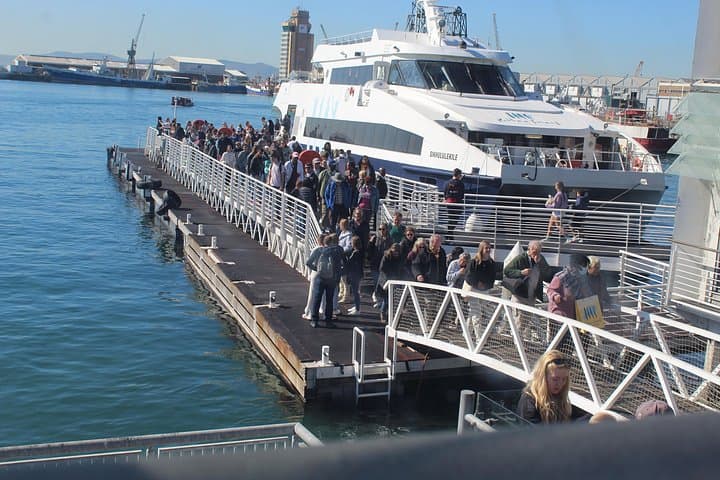
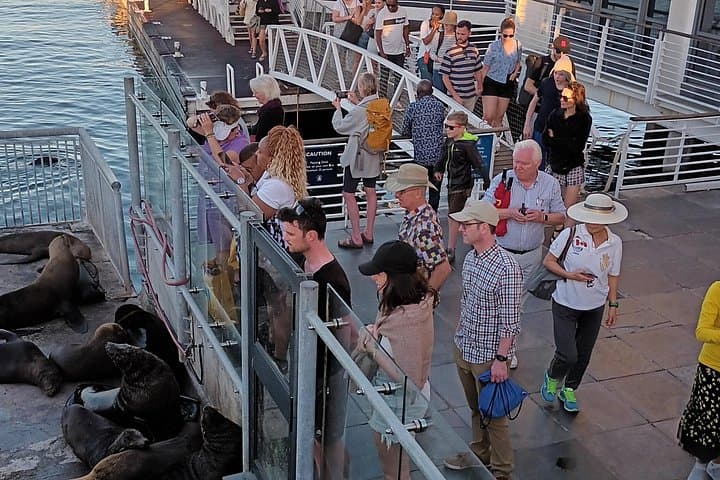
You step onto the wind-scoured quay at the V&A Waterfront, the Atlantic pressing cool air against your face as seals snooze on nearby rocks and the ferry horn rumbles like a call to memory.
You step onto the wind-scoured quay at the V&A Waterfront, the Atlantic pressing cool air against your face as seals snooze on nearby rocks and the ferry horn rumbles like a call to memory.
The half-day tour pairs two different but connected chapters of South African history. Robben Island sits three kilometres off Cape Town — a flat, wind-bleached outcrop that became a maximum-security prison during apartheid. On the island, former inmates-turned-guides lead groups past cells, work yards and the tiny room where Nelson Mandela spent years; their voices give the facts weight and firsthand context. The return crossing frames Table Mountain and the city, geology and urban life rubbing shoulders across a narrow channel.
Back on the mainland the Long March to Freedom exhibition presents hundreds of life-size bronze figures in procession, narrating 350 years of struggle and resilience through sculpted portraiture. The statues are literal, deliberate and deliberately growing; each figure is placed to tell a civic story in public space.
Practicalities are straightforward but important: the tour is roughly 6 hours including ferry transfers, so carry your passport and a weatherproof layer — the ocean can change on an hour. Footwear should be comfortable and slip-resistant for short walks on gravel and concrete. Expect wind, sun and occasional sea spray; sunglasses, sunscreen and a small daypack are useful. Book the ferry in advance, arrive early at the Nelson Mandela Gateway for check-in, and be prepared to follow guidance from staff and ex-prisoner guides. The experience is primarily educational but deeply visceral — history you can walk through, the sea daring you to look back at the shore.