THE ADVENTURE COLLECTIVE® · Independent discovery and booking for outdoor travel

Spend a day crossing Table Bay to Robben Island’s prison grounds, then return to the vineyards of Constantia for high-altitude tastings. This private tour pairs a powerful history lesson with scenic wines from one of the Southern Hemisphere’s oldest estates.
Spend a day crossing Table Bay to Robben Island’s prison grounds, then return to the vineyards of Constantia for high-altitude tastings. This private tour pairs a powerful history lesson with scenic wines from one of the Southern Hemisphere’s oldest estates.
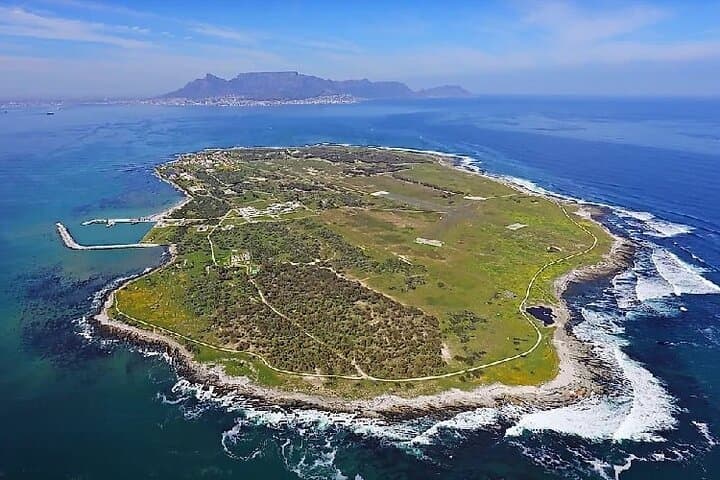
The ferry slips away from Cape Town’s quay and the city recedes, wind pushing the harbor into a white ache against the hull. On Robben Island the air carries salt and memory; prison walls hold the quiet that follows decades of political struggle, while the island’s scrub and seabirds continue their daily business as if daring visitors to look away.
Verified experiences and guided adventures in the surrounding area.
Operated by Baraka Travel Services · Cape Town, Western Cape
The ferry slips away from Cape Town’s quay and the city recedes, wind pushing the harbor into a white ache against the hull. On Robben Island the air carries salt and memory; prison walls hold the quiet that follows decades of political struggle, while the island’s scrub and seabirds continue their daily business as if daring visitors to look away.
The itinerary stitches together two distinct chapters of Cape history. Robben Island is a UNESCO World Heritage Site where Nelson Mandela and many anti-apartheid activists were imprisoned; museum guides—often former political prisoners—lead tours through cells and courtyards that detail the struggle for democracy. Back on the mainland, Constantia is South Africa’s oldest wine region, established under Simon van der Stel in the 1600s. Vineyards climb the lower slopes of the Constantia Mountains, where granite and sandstone soils influence the acidity and minerality of Sauvignon Blancs and elegant reds.
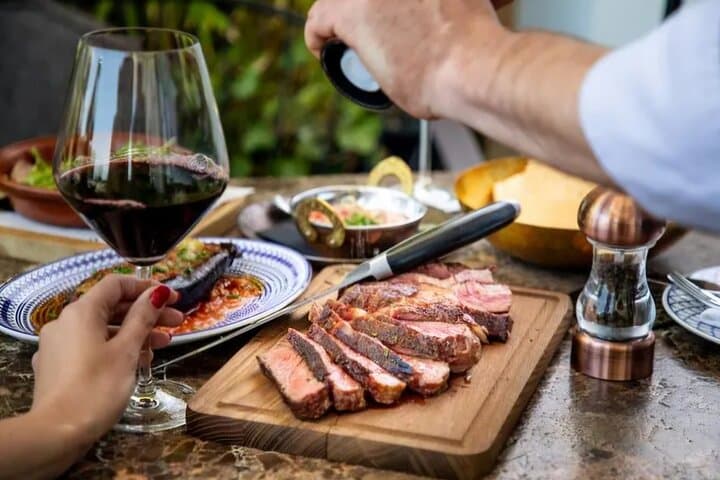
Expect a day that alternates reflective walking and relaxed tasting: a museum-led ferry crossing and prison tour, followed by two curated wine stops such as Beau Constantia—perched for sweeping False Bay views—and historic Groot Constantia with its manor-house cellar.
Practicalities: the ferry runs to a schedule and is weather-dependent, so plan for an 8–9 hour day and bring a government ID. Wear sturdy shoes for uneven surfaces, layers for wind and sun, and bring seasickness remedies if you’re prone. Tastings are included at selected estates but remember to drink water between flights and pace yourself—the tour balances history, landscape, and the region’s long wine legacy.
easy.
8–9 hours.
Suitable for most travelers who can walk short distances on uneven surfaces; minimal uphill walking at wine estates.
No — Robben Island tours are led by the museum’s trained guides (many are former inmates); your private guide will handle logistics to and from the ferry.
Yes — the tour includes tasting fees at the two specified Constantia estates, though additional purchases at the cellar door are extra.
Ferries can be canceled for safety; operators usually refund or reschedule if the museum cancels—confirm the cancellation policy when booking.
The tour lists wheelchair-accessible transportation and some estate areas are accessible, but Robben Island has uneven surfaces and limited access—notify the operator about mobility needs when booking.
Robben Island was used as a prison and place of banishment from the 17th century onward; Constantia’s vineyards trace back to Simon van der Stel and wine production beginning in the 1650s.
Robben Island is protected as a World Heritage Site with active preservation programs; Constantia estates increasingly use water-wise practices and biodiversity efforts to reduce vineyard impacts.
Baraka Travel Services operates guided outdoor trips and adventures with an emphasis on safety, stewardship, and memorable experiences.


The ferry slips away from Cape Town’s quay and the city recedes, wind pushing the harbor into a white ache against the hull. On Robben Island the air carries salt and memory; prison walls hold the quiet that follows decades of political struggle, while the island’s scrub and seabirds continue their daily business as if daring visitors to look away.
The ferry slips away from Cape Town’s quay and the city recedes, wind pushing the harbor into a white ache against the hull. On Robben Island the air carries salt and memory; prison walls hold the quiet that follows decades of political struggle, while the island’s scrub and seabirds continue their daily business as if daring visitors to look away.
The itinerary stitches together two distinct chapters of Cape history. Robben Island is a UNESCO World Heritage Site where Nelson Mandela and many anti-apartheid activists were imprisoned; museum guides—often former political prisoners—lead tours through cells and courtyards that detail the struggle for democracy. Back on the mainland, Constantia is South Africa’s oldest wine region, established under Simon van der Stel in the 1600s. Vineyards climb the lower slopes of the Constantia Mountains, where granite and sandstone soils influence the acidity and minerality of Sauvignon Blancs and elegant reds.
Expect a day that alternates reflective walking and relaxed tasting: a museum-led ferry crossing and prison tour, followed by two curated wine stops such as Beau Constantia—perched for sweeping False Bay views—and historic Groot Constantia with its manor-house cellar.
Practicalities: the ferry runs to a schedule and is weather-dependent, so plan for an 8–9 hour day and bring a government ID. Wear sturdy shoes for uneven surfaces, layers for wind and sun, and bring seasickness remedies if you’re prone. Tastings are included at selected estates but remember to drink water between flights and pace yourself—the tour balances history, landscape, and the region’s long wine legacy.