THE ADVENTURE COLLECTIVE® · Independent discovery and booking for outdoor travel

A single-day private loop from Cape Town that pairs Robben Island’s powerful history with the Cape Peninsula’s dramatic coastline—Chapman’s Peak, Boulders Beach penguins, and Cape Point cliffs. Includes ferry and park fees for a seamless outing.
A single-day private loop from Cape Town that pairs Robben Island’s powerful history with the Cape Peninsula’s dramatic coastline—Chapman’s Peak, Boulders Beach penguins, and Cape Point cliffs. Includes ferry and park fees for a seamless outing.
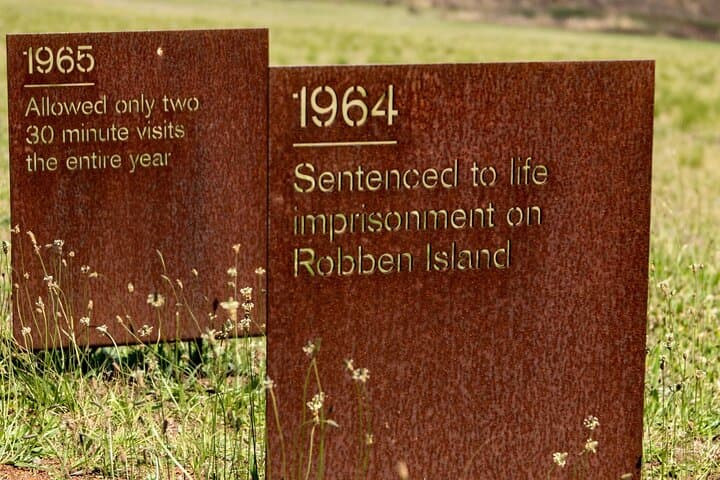
The morning ferry cuts through cold Atlantic spray as Table Bay slides away and Robben Island’s low silhouette grows—wind pushing you toward a small compound that holds one of South Africa’s most charged chapters. On the island, guides—often former inmates—walk you through Mandela’s cellblock and limestone quarries, where political history sits plain and unadorned.
Verified experiences and guided adventures in the surrounding area.
Operated by Tos Travel and Tours · Cape Town, Western Cape
The morning ferry cuts through cold Atlantic spray as Table Bay slides away and Robben Island’s low silhouette grows—wind pushing you toward a small compound that holds one of South Africa’s most charged chapters. On the island, guides—often former inmates—walk you through Mandela’s cellblock and limestone quarries, where political history sits plain and unadorned.
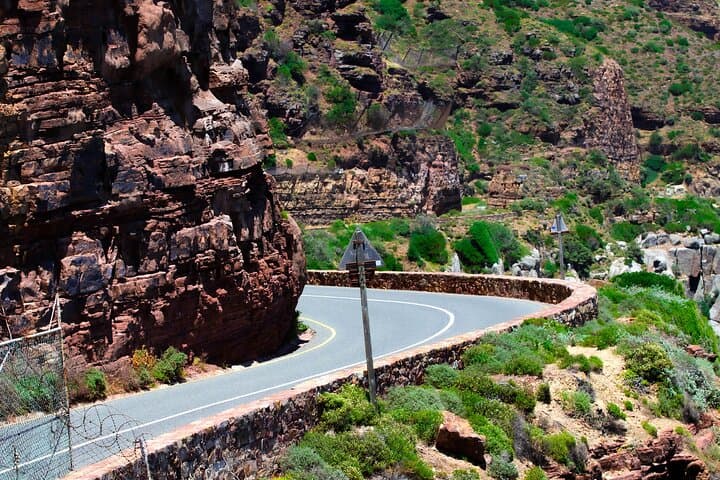
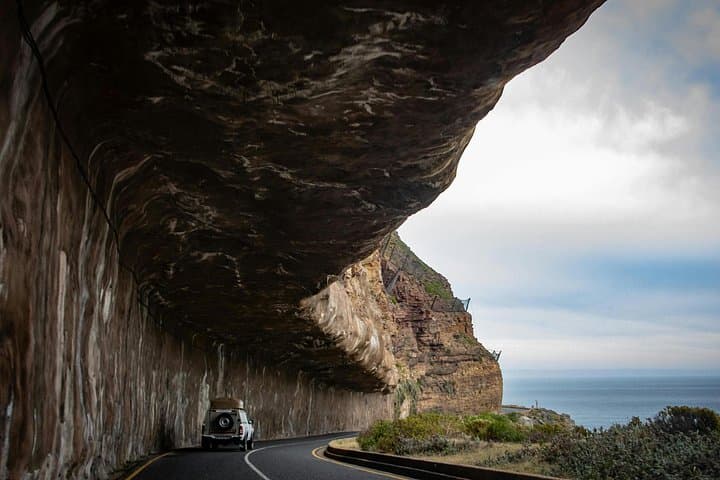
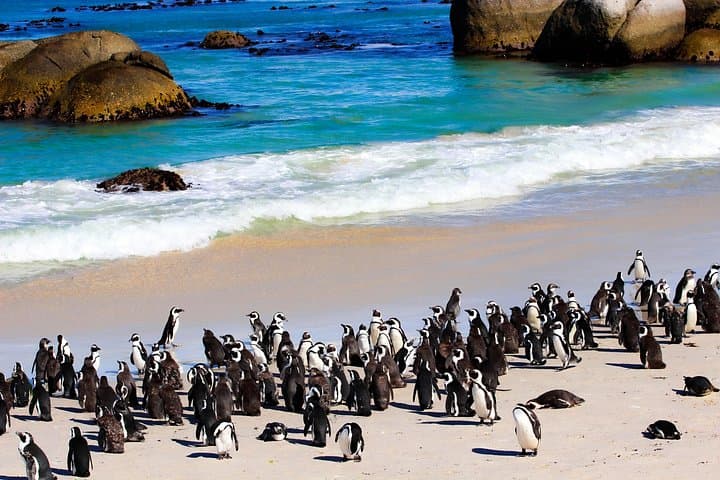
Back on the peninsula the route swivels between sea and mountain. Chapman’s Peak Drive carves granite cliffs above the surf; the rock here is Cape Granite and Stephanian sandstone, folded and scoured by ancient glaciers and relentless ocean. At Boulders Beach a colony of African penguins shuffles across white sand and sheltered coves; their presence is both fragile and defiant. Cape Point and the Cape of Good Hope offer windswept promontories where kelp forests seam the ocean and baboons patrol the scrub—nature asserting its edges.
Culturally, this day stitches political memory to coastal life: Simon’s Town’s naval past, Afrikaner and Khoikhoi place names, and the modern conservation efforts that protect penguins and shoreline fynbos.
Practical guidance: this private, full-day tour (≈8 hours) includes ferry and national park fees, hotel pickup/drop-off, and bottled water. Expect short walks on uneven paths, variable wind and bright sun—bring layered clothing, sunscreen, and sturdy shoes. Keep camera gear ready but respect wildlife distances at Boulders; do not feed penguins or approach baboons. Allow extra time for the Robben Island ferry schedule and seasonal crowding at Cape Point during summer. With planning, the day delivers history, wildlife, and some of the Atlantic’s most dramatic coastline in a single, accessible loop.
easy.
8 hours.
Suitable for most fitness levels; requires mobility for short, uneven walks and stairs on Robben Island.
Robben Island has made parts of the site accessible and the ferry and select areas accommodate wheelchairs—check with the operator about specific mobility needs before booking.
Common sightings include African penguins at Boulders Beach, baboons and small antelope at Cape Point, and seabirds like cormorants and gulls along the coast.
Yes—high winds or rough seas can delay or cancel crossings; operators monitor conditions and may reschedule for safety.
Lunch is not typically included—most tours stop in Simon’s Town or at a café near Cape Point where you can purchase food; bring snacks if you prefer.
Robben Island served as a political prison during apartheid; Nelson Mandela’s incarceration there made it a symbol of the struggle for democracy and now a UNESCO World Heritage Site.
Table Mountain National Park manages the peninsula to protect fynbos and coastal wildlife; visitors should follow boardwalks and signage to reduce erosion and disturbance.
Tos Travel and Tours operates guided outdoor trips and adventures with an emphasis on safety, stewardship, and memorable experiences.
The morning ferry cuts through cold Atlantic spray as Table Bay slides away and Robben Island’s low silhouette grows—wind pushing you toward a small compound that holds one of South Africa’s most charged chapters. On the island, guides—often former inmates—walk you through Mandela’s cellblock and limestone quarries, where political history sits plain and unadorned.
The morning ferry cuts through cold Atlantic spray as Table Bay slides away and Robben Island’s low silhouette grows—wind pushing you toward a small compound that holds one of South Africa’s most charged chapters. On the island, guides—often former inmates—walk you through Mandela’s cellblock and limestone quarries, where political history sits plain and unadorned.
Back on the peninsula the route swivels between sea and mountain. Chapman’s Peak Drive carves granite cliffs above the surf; the rock here is Cape Granite and Stephanian sandstone, folded and scoured by ancient glaciers and relentless ocean. At Boulders Beach a colony of African penguins shuffles across white sand and sheltered coves; their presence is both fragile and defiant. Cape Point and the Cape of Good Hope offer windswept promontories where kelp forests seam the ocean and baboons patrol the scrub—nature asserting its edges.
Culturally, this day stitches political memory to coastal life: Simon’s Town’s naval past, Afrikaner and Khoikhoi place names, and the modern conservation efforts that protect penguins and shoreline fynbos.
Practical guidance: this private, full-day tour (≈8 hours) includes ferry and national park fees, hotel pickup/drop-off, and bottled water. Expect short walks on uneven paths, variable wind and bright sun—bring layered clothing, sunscreen, and sturdy shoes. Keep camera gear ready but respect wildlife distances at Boulders; do not feed penguins or approach baboons. Allow extra time for the Robben Island ferry schedule and seasonal crowding at Cape Point during summer. With planning, the day delivers history, wildlife, and some of the Atlantic’s most dramatic coastline in a single, accessible loop.