THE ADVENTURE COLLECTIVE® · Independent discovery and booking for outdoor travel

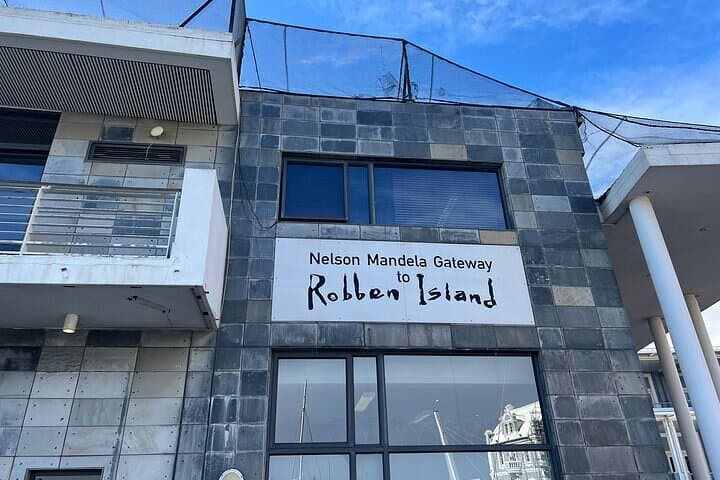
Cross from the V&A Waterfront to Robben Island for a guided walk through the former prison where Nelson Mandela was held. Expect a 4–5 hour outing combining a scenic ferry and a deeply informative on-island tour led by knowledgeable guides.
Cross from the V&A Waterfront to Robben Island for a guided walk through the former prison where Nelson Mandela was held. Expect a 4–5 hour outing combining a scenic ferry and a deeply informative on-island tour led by knowledgeable guides.
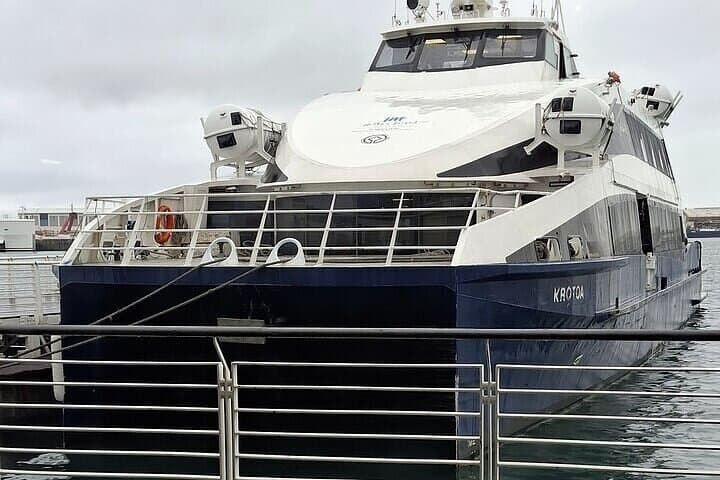
The ferry slips from the V&A Waterfront and the city recedes—Table Mountain shrinking behind a rim of white-capped sea. Wind pushes the boat forward and gulls dart alongside as Robben Island resolves from haze: low, rocky, and ringed by surf. The crossing sets the tone—marine air, open horizon, and the knowledge that the island’s beauty stands opposite a hard human story.
Verified experiences and guided adventures in the surrounding area.
Operated by BRIAN'S CITY TOURS · Cape Town, Western Cape
The ferry slips from the V&A Waterfront and the city recedes—Table Mountain shrinking behind a rim of white-capped sea. Wind pushes the boat forward and gulls dart alongside as Robben Island resolves from haze: low, rocky, and ringed by surf. The crossing sets the tone—marine air, open horizon, and the knowledge that the island’s beauty stands opposite a hard human story.
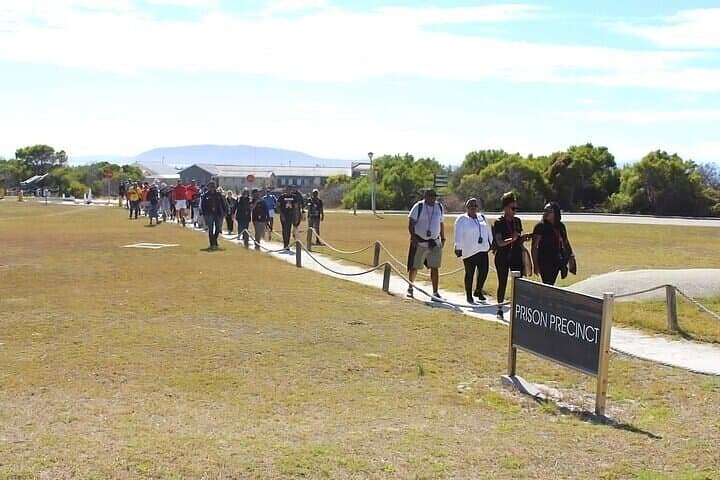
Robben Island’s charcoal-streaked limestone, quarried in the 17th–19th centuries, later hosted a leper colony and then the high-security prison where Nelson Mandela and other anti-apartheid activists were held. Guided walks move through the cellblocks, including Mandela’s cell, and guides—often former inmates—frame personal accounts against South Africa’s broader struggle for democracy. The island’s shoreline and ruins also reflect military uses: gun placements, bunkers, and a working lighthouse.
Visitors should expect a 4–5 hour outing combining a scenic boat transfer and a roughly 60–90 minute on-island guided tour, plus time for return transit and V&A Waterfront free time. Paths are mostly flat but exposed; wind and sun are constant variables. Photography opportunities include panoramic views back to Cape Town and encounters with hardy seabirds and occasional seals.
Practical tips: book in advance and bring passport/ID for boarding; arrive early at the waterfront to clear ticketing; dress in windproof layers and sturdy shoes; carry water and sun protection. The experience is accessible to most fitness levels, wheelchair access is available for much of the site, and weather or sea state can affect scheduling—plan the morning crossing for calmer seas.
easy.
4–5 hours.
Suitable for most fitness levels; involves standing and walking on uneven surfaces for up to 90 minutes.
The crossing is typically 30–45 minutes each way depending on sea conditions and the specific departure from the V&A Waterfront.
Yes—many areas and transport options are accessible and the operator notes wheelchair accessibility, but contact the provider in advance to arrange assistance and confirm boarding requirements.
Admission and ferry are included in the tour; food is not included—there is time on return at the V&A Waterfront where restaurants are available.
Ferry crossings can be affected by sea conditions; operators may reschedule or cancel for safety—check cancellation and refund terms when booking.
Robben Island served as a leper colony, military outpost, and then the high-security prison where many anti-apartheid activists were detained; it is a UNESCO World Heritage Site for its role in the struggle for freedom.
Management focuses on protecting seabird colonies and controlling invasive plants; visitors should avoid disturbing wildlife, stay on paths, and not remove artifacts.
BRIAN'S CITY TOURS operates guided outdoor trips and adventures with an emphasis on safety, stewardship, and memorable experiences.
The ferry slips from the V&A Waterfront and the city recedes—Table Mountain shrinking behind a rim of white-capped sea. Wind pushes the boat forward and gulls dart alongside as Robben Island resolves from haze: low, rocky, and ringed by surf. The crossing sets the tone—marine air, open horizon, and the knowledge that the island’s beauty stands opposite a hard human story.
The ferry slips from the V&A Waterfront and the city recedes—Table Mountain shrinking behind a rim of white-capped sea. Wind pushes the boat forward and gulls dart alongside as Robben Island resolves from haze: low, rocky, and ringed by surf. The crossing sets the tone—marine air, open horizon, and the knowledge that the island’s beauty stands opposite a hard human story.
Robben Island’s charcoal-streaked limestone, quarried in the 17th–19th centuries, later hosted a leper colony and then the high-security prison where Nelson Mandela and other anti-apartheid activists were held. Guided walks move through the cellblocks, including Mandela’s cell, and guides—often former inmates—frame personal accounts against South Africa’s broader struggle for democracy. The island’s shoreline and ruins also reflect military uses: gun placements, bunkers, and a working lighthouse.
Visitors should expect a 4–5 hour outing combining a scenic boat transfer and a roughly 60–90 minute on-island guided tour, plus time for return transit and V&A Waterfront free time. Paths are mostly flat but exposed; wind and sun are constant variables. Photography opportunities include panoramic views back to Cape Town and encounters with hardy seabirds and occasional seals.
Practical tips: book in advance and bring passport/ID for boarding; arrive early at the waterfront to clear ticketing; dress in windproof layers and sturdy shoes; carry water and sun protection. The experience is accessible to most fitness levels, wheelchair access is available for much of the site, and weather or sea state can affect scheduling—plan the morning crossing for calmer seas.