THE ADVENTURE COLLECTIVE® · Independent discovery and booking for outdoor travel

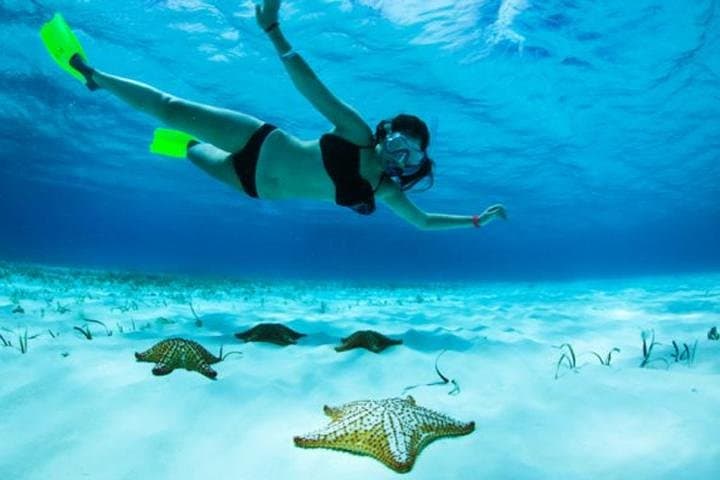
Explore Roatán’s north-side mangroves and snorkel a coral garden, shipwreck and blue channel on a three-hour eco-tour. Guides provide gear and interpretation—expect calm morning waters, starfish sightings, and a palapa-side rest.
Explore Roatán’s north-side mangroves and snorkel a coral garden, shipwreck and blue channel on a three-hour eco-tour. Guides provide gear and interpretation—expect calm morning waters, starfish sightings, and a palapa-side rest.
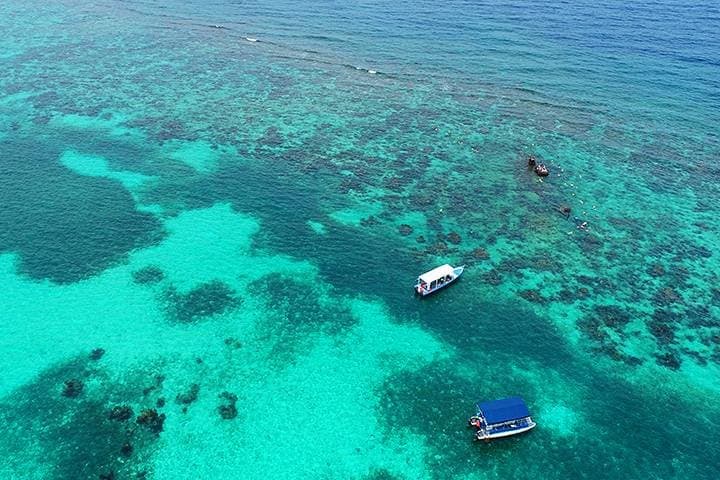
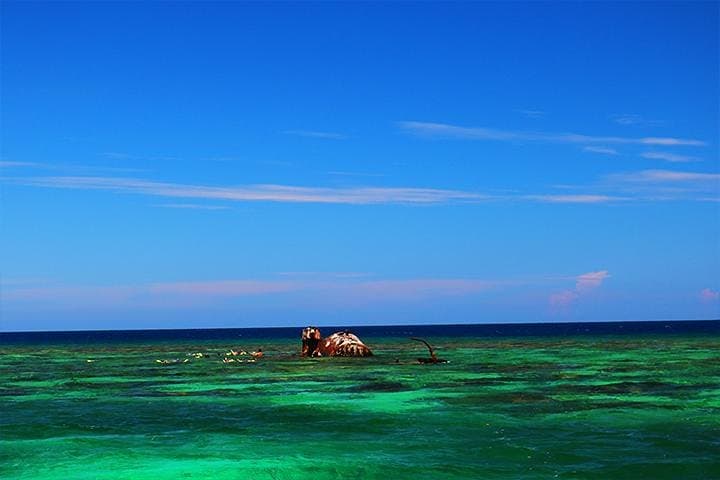
A small boat slips away from the north-side shore and the mangroves peel back like green curtains to reveal the open Caribbean. Salt air sharpens the horizon; the guide points toward a band of coral where a slow-moving school of fish parts around a rusted hull. The water here is a living classroom—starfish cling to boulders, parrotfish graze on reef ledges, and the blue channel funnels clearer, cooler water out to the deeper reef.
Verified experiences and guided adventures in the surrounding area.
Operated by Roatan Five Stars Tours · Coxen Hole, Bay Islands
A small boat slips away from the north-side shore and the mangroves peel back like green curtains to reveal the open Caribbean. Salt air sharpens the horizon; the guide points toward a band of coral where a slow-moving school of fish parts around a rusted hull. The water here is a living classroom—starfish cling to boulders, parrotfish graze on reef ledges, and the blue channel funnels clearer, cooler water out to the deeper reef.
Geologically, this stretch sits along the western edge of the Mesoamerican Reef, the second-largest barrier reef on Earth. The north shore’s mangrove lagoons are nursery grounds for reef species and protect the shoreline from wave energy. Culturally, Roatán blends Garífuna, Mestizo, and Anglo influences—fishing and boat-building traditions still shape village life in places like Big Bight.
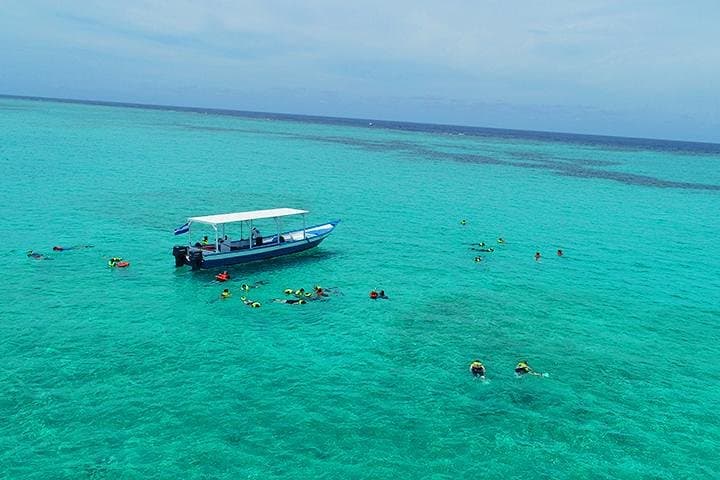
On a three-hour tour you’ll transfer by air-conditioned vehicle to the north side, explore mangrove ecology, then board for a guided snorkel at a shallow shipwreck, a coral garden, and the “blue channel” where visibility often improves. Snorkel gear is provided and guides brief less-experienced swimmers.
Plan for sun, sea spray, and intermittent boat movement: bring reef-safe sunscreen, a snorkel vest if you need floatation, and a quick-dry towel. Morning departures usually offer the calmest water and best visibility. Respect the reef—do not touch corals or starfish—and follow your guide’s safety instructions. After snorkeling, the palapa and hammocks provide a breeze and a chance to spot surface life before the return drive. For travelers wanting accessible, interpretive reef time with manageable swimming demands, this north-side experience is efficient and immersive.
easy.
3 hours.
Suitable for most fitness levels; comfortable swimming and basic snorkeling recommended for best experience.
No—basic snorkeling skills are helpful but guides provide instruction and flotation aids are available; the sites are chosen for accessibility.
Yes—snorkel masks, fins and basic flotation devices are included in the tour price.
No—handling marine life stresses organisms and can harm them; enjoy observation only and follow the guide’s rules.
Total duration is about three hours including a scenic drive to the north side, boat rides, guided snorkeling, and time to relax at the palapa.
Roatán sits atop the Mesoamerican Reef; its coastal communities have long depended on fishing and small‑boat trade, with cultural influences from Garífuna and island settlers.
Mangroves and reef habitats are delicate—use reef‑safe products, avoid stepping on coral, and support local guides who practice catch‑and‑release and no‑take interpretive tours.
Roatan Five Stars Tours operates guided outdoor trips and adventures with an emphasis on safety, stewardship, and memorable experiences.
A small boat slips away from the north-side shore and the mangroves peel back like green curtains to reveal the open Caribbean. Salt air sharpens the horizon; the guide points toward a band of coral where a slow-moving school of fish parts around a rusted hull. The water here is a living classroom—starfish cling to boulders, parrotfish graze on reef ledges, and the blue channel funnels clearer, cooler water out to the deeper reef.
A small boat slips away from the north-side shore and the mangroves peel back like green curtains to reveal the open Caribbean. Salt air sharpens the horizon; the guide points toward a band of coral where a slow-moving school of fish parts around a rusted hull. The water here is a living classroom—starfish cling to boulders, parrotfish graze on reef ledges, and the blue channel funnels clearer, cooler water out to the deeper reef.
Geologically, this stretch sits along the western edge of the Mesoamerican Reef, the second-largest barrier reef on Earth. The north shore’s mangrove lagoons are nursery grounds for reef species and protect the shoreline from wave energy. Culturally, Roatán blends Garífuna, Mestizo, and Anglo influences—fishing and boat-building traditions still shape village life in places like Big Bight.
On a three-hour tour you’ll transfer by air-conditioned vehicle to the north side, explore mangrove ecology, then board for a guided snorkel at a shallow shipwreck, a coral garden, and the “blue channel” where visibility often improves. Snorkel gear is provided and guides brief less-experienced swimmers.
Plan for sun, sea spray, and intermittent boat movement: bring reef-safe sunscreen, a snorkel vest if you need floatation, and a quick-dry towel. Morning departures usually offer the calmest water and best visibility. Respect the reef—do not touch corals or starfish—and follow your guide’s safety instructions. After snorkeling, the palapa and hammocks provide a breeze and a chance to spot surface life before the return drive. For travelers wanting accessible, interpretive reef time with manageable swimming demands, this north-side experience is efficient and immersive.