THE ADVENTURE COLLECTIVE® · Independent discovery and booking for outdoor travel

Rise above Roatán’s aquamarine reefs on a tandem parasail flight that climbs to nearly 800 feet. This 2–4 hour tour includes safety briefings, boat transfers, and uninterrupted coastal panoramas—ideal for travelers who want a high-impact view without diving.
Rise above Roatán’s aquamarine reefs on a tandem parasail flight that climbs to nearly 800 feet. This 2–4 hour tour includes safety briefings, boat transfers, and uninterrupted coastal panoramas—ideal for travelers who want a high-impact view without diving.
You step aboard the sleek parasail boat as the ocean unrolls in bands of aquamarine and cobalt. The engine settles into a steady hum, the mate runs through straps and safety checks, and the coastline of Roatán slides into view — powdery sand, coconut palms, and reef lines visible through the clear water below. Within minutes the canopy lifts you, twin passengers elevated like a skylight over the Caribbean; the wind tugs gently, and the island widens beneath you.
Verified experiences and guided adventures in the surrounding area.
Operated by Roatan Flores Tours · Coxen Hole, Bay Islands
You step aboard the sleek parasail boat as the ocean unrolls in bands of aquamarine and cobalt. The engine settles into a steady hum, the mate runs through straps and safety checks, and the coastline of Roatán slides into view — powdery sand, coconut palms, and reef lines visible through the clear water below. Within minutes the canopy lifts you, twin passengers elevated like a skylight over the Caribbean; the wind tugs gently, and the island widens beneath you.
The Bay Islands ride the outer edge of the Mesoamerican Barrier Reef, one of the Western Hemisphere’s largest reef systems, which gives the water its striking color and supports local fishing and dive culture. Roatán’s history oscillates between British colonial outposts and Garifuna and Creole communities; today tourism and marine conservation share the shoreline.
Practically, expect a 2–4 hour experience including boat transfers and safety briefing. Flights reach up to about 800 feet and operate from specialized parasail vessels. There’s a 550-pound total weight limit and minimum age is seven. Operators prioritize calm seas; trips will be canceled or rescheduled in bad weather. Bring reef-safe sunscreen, water, and a secure place for your phone or camera — most boats offer a mate who can help capture photos but won’t guarantee electronics safety.
Timing matters: mornings usually offer smoother winds and clearer water for reef views; late-afternoon flights can deliver dramatic light but bumpier conditions. If you’re prone to motion sickness, take precautions ashore. Otherwise, parasailing here is a compact, high-impact way to see Roatán’s coast and coral from a true bird’s-eye perspective.
easy.
2–4 hours.
Suitable for most fitness levels; you must be able to sit in a harness and follow boarding instructions.
Typical cruising altitude for this operator is up to about 800 feet, giving broad views of coastline and reef.
Minimum age is 7 years old; there is a 550-pound total weight limit per parasail (combined weight of up to two passengers).
Trips are canceled or rescheduled if conditions are unsafe; operators will refund or rebook when authorities or the captain deem seas or winds hazardous.
Yes, but secure it — a mate may assist with photos; waterproof cases or straps are strongly recommended.
Roatán is part of Honduras’ Bay Islands, influenced historically by British colonial activity and Garifuna and Creole communities; its economy shifted from fishing to tourism over recent decades.
The area relies on reef health for tourism and fisheries—use reef-safe sunscreens, avoid touching corals, and consider operators who support reef-protection programs.
Roatan Flores Tours operates guided outdoor trips and adventures with an emphasis on safety, stewardship, and memorable experiences.
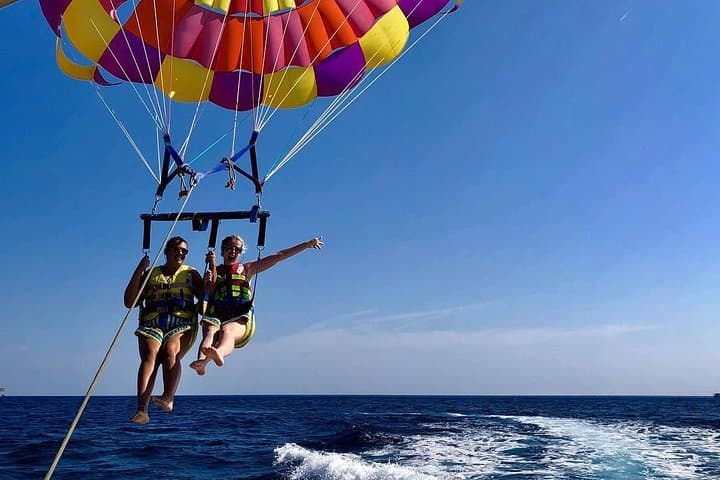
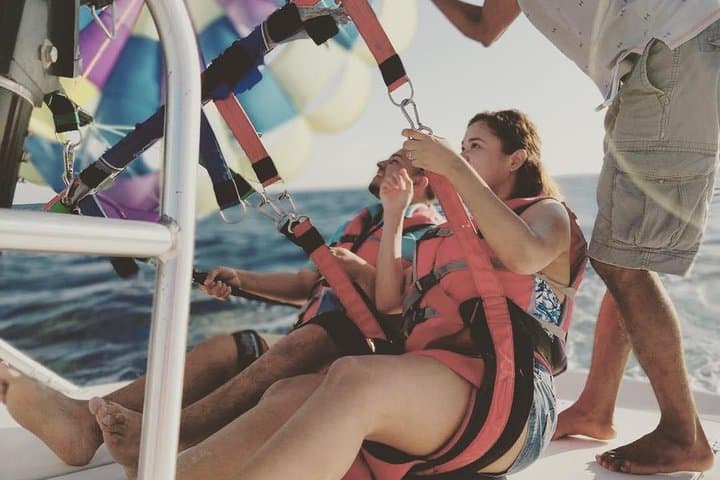
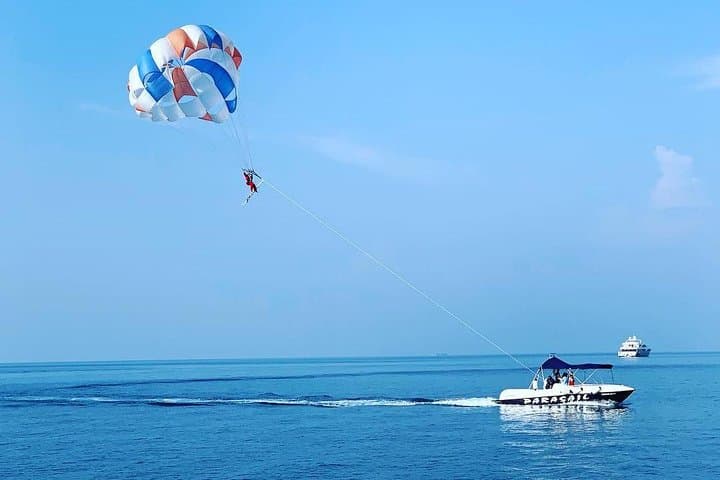
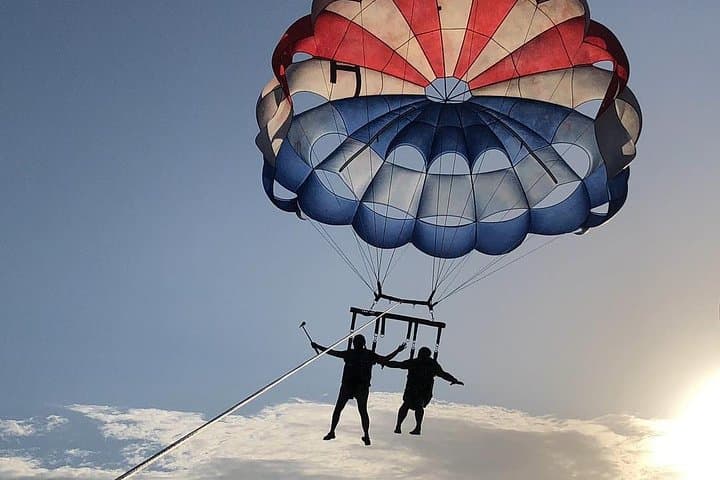
You step aboard the sleek parasail boat as the ocean unrolls in bands of aquamarine and cobalt. The engine settles into a steady hum, the mate runs through straps and safety checks, and the coastline of Roatán slides into view — powdery sand, coconut palms, and reef lines visible through the clear water below. Within minutes the canopy lifts you, twin passengers elevated like a skylight over the Caribbean; the wind tugs gently, and the island widens beneath you.
You step aboard the sleek parasail boat as the ocean unrolls in bands of aquamarine and cobalt. The engine settles into a steady hum, the mate runs through straps and safety checks, and the coastline of Roatán slides into view — powdery sand, coconut palms, and reef lines visible through the clear water below. Within minutes the canopy lifts you, twin passengers elevated like a skylight over the Caribbean; the wind tugs gently, and the island widens beneath you.
The Bay Islands ride the outer edge of the Mesoamerican Barrier Reef, one of the Western Hemisphere’s largest reef systems, which gives the water its striking color and supports local fishing and dive culture. Roatán’s history oscillates between British colonial outposts and Garifuna and Creole communities; today tourism and marine conservation share the shoreline.
Practically, expect a 2–4 hour experience including boat transfers and safety briefing. Flights reach up to about 800 feet and operate from specialized parasail vessels. There’s a 550-pound total weight limit and minimum age is seven. Operators prioritize calm seas; trips will be canceled or rescheduled in bad weather. Bring reef-safe sunscreen, water, and a secure place for your phone or camera — most boats offer a mate who can help capture photos but won’t guarantee electronics safety.
Timing matters: mornings usually offer smoother winds and clearer water for reef views; late-afternoon flights can deliver dramatic light but bumpier conditions. If you’re prone to motion sickness, take precautions ashore. Otherwise, parasailing here is a compact, high-impact way to see Roatán’s coast and coral from a true bird’s-eye perspective.