THE ADVENTURE COLLECTIVE® · Independent discovery and booking for outdoor travel

Slip beneath Caribbean stars on a guided night snorkel or dive off Roatán. Discover lobsters, octopus, and bioluminescent water as local guides illuminate the reef’s nocturnal life.
Slip beneath Caribbean stars on a guided night snorkel or dive off Roatán. Discover lobsters, octopus, and bioluminescent water as local guides illuminate the reef’s nocturnal life.
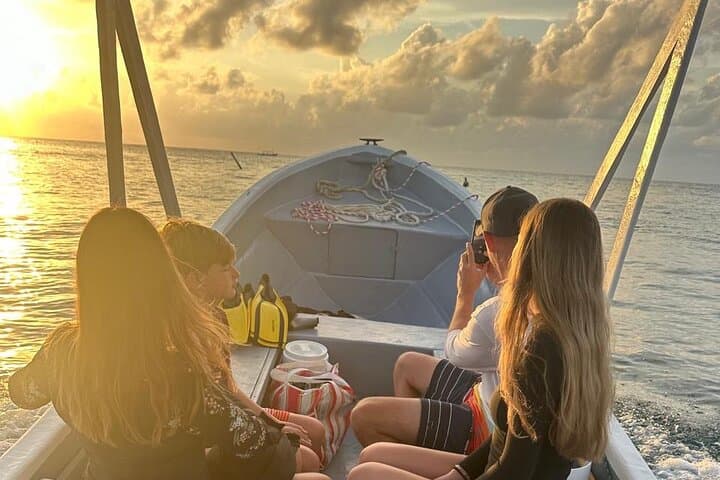
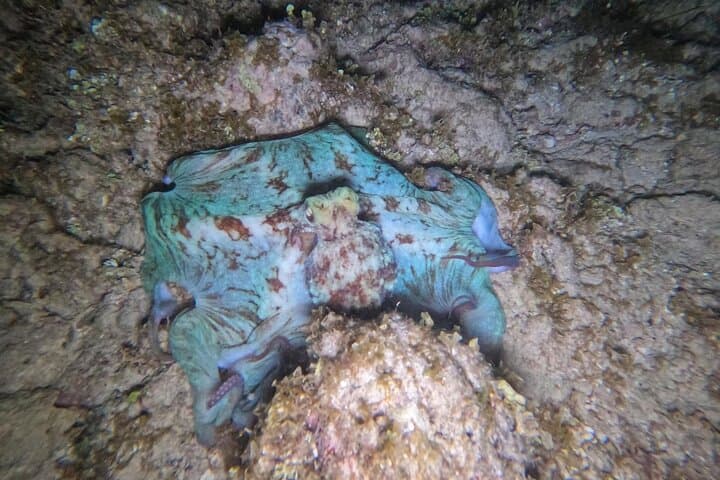
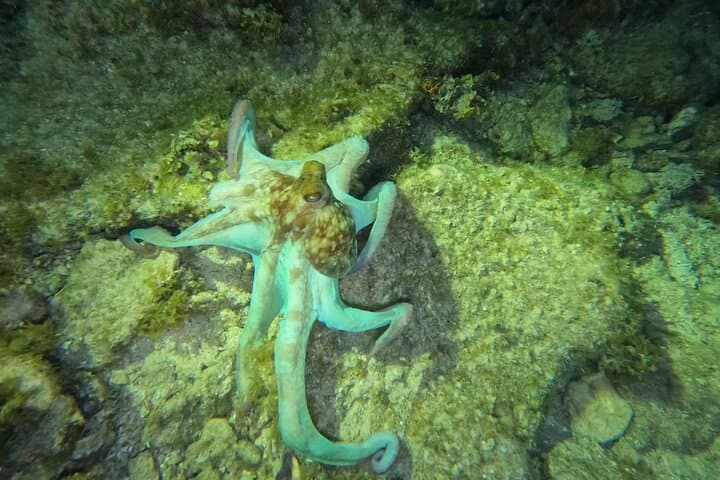
The boat slips away from the shoreline as dusk eases across Roatán. Headlamps click on and the surface becomes a dark mirror punctured by the guides' beams; below, the reef takes on a different life—lobsters peel out from crevices, octopus ghost along ledges, and pockets of bioluminescence flare like distant stars.
Verified experiences and guided adventures in the surrounding area.
Operated by Jamie and Jason · Roatán, Bay Islands
The boat slips away from the shoreline as dusk eases across Roatán. Headlamps click on and the surface becomes a dark mirror punctured by the guides' beams; below, the reef takes on a different life—lobsters peel out from crevices, octopus ghost along ledges, and pockets of bioluminescence flare like distant stars.
This tour puts you on the Mesoamerican Reef, the Western Hemisphere's second-largest barrier reef. Geologically the reef rides on a mix of limestone shelf and coral framework; biologically it supports hard corals, gorgonians, and dense night-shifts of reef fish. Roatán sits in the Bay Islands with a layered human history—Garífuna communities, British colonial shipping routes, and modern dive tourism all shape the local shoreline culture.
Expect a small-group excursion, typically three hours including boat transfers. Guides use dive lights to point out nocturnal behaviors and keep interaction to observation only—no touching or shining lights directly into animals' faces. For snorkelers the sensation is intimate: the reef feels close and active, currents mild but perceptible; for certified divers, night scuba reveals vertical walls and crevices you won't see by day.
Practical notes: bring a reef‑safe sunscreen, a headlamp for moving between boat and water, and a light jacket for offshore breeze. If you plan to scuba, confirm certification requirements in advance; many operators offer guided introductory dives but require basic swimming competency. Night on Roatán is about watching the reef work after hours—plan for calm seas, sharp guidance, and a truly different marine world.
moderate.
3 hours.
Comfortable with basic swimming; snorkel participants should be able to tread water; scuba participants need current certification or to arrange an intro dive.
No—many operators offer guided night snorkels; night scuba usually requires open‑water certification or an arranged introductory night dive—check operator rules before booking.
Guided trips are designed for safety with experienced guides, flotation, and briefings; beginners should disclose experience levels and follow guide instructions closely.
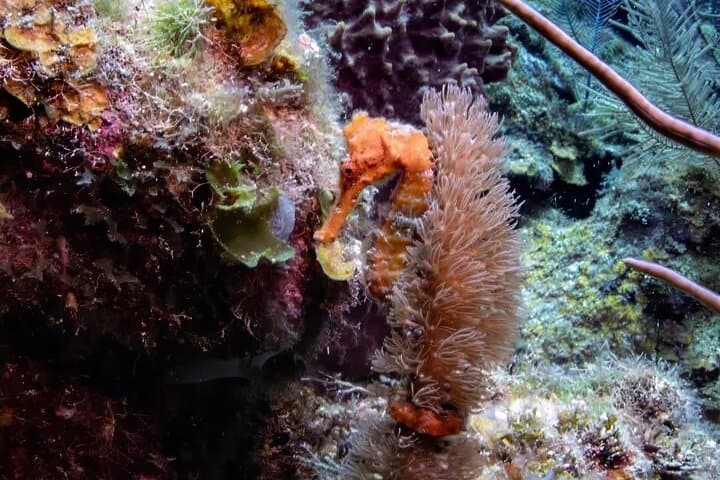
Common sightings include octopus, spiny lobster, nocturnal reef fish, and biofluorescent plankton; visibility and sightings vary by season and site.
Most tours include round‑trip transfers and basic snorkel gear—confirm specifics for scuba equipment, which may be included or available to rent.
Roatán lies on the Mesoamerican Reef and has been influenced by Garífuna communities, British colonial activity, and a growing dive tourism economy that reshaped coastal livelihoods.
The reef faces pressure from warming, bleaching, and anchor damage; choose operators that follow no‑touch policies, use mooring buoys, and promote reef‑safe sunscreen.
Jamie and Jason operates guided outdoor trips and adventures with an emphasis on safety, stewardship, and memorable experiences.
The boat slips away from the shoreline as dusk eases across Roatán. Headlamps click on and the surface becomes a dark mirror punctured by the guides' beams; below, the reef takes on a different life—lobsters peel out from crevices, octopus ghost along ledges, and pockets of bioluminescence flare like distant stars.
The boat slips away from the shoreline as dusk eases across Roatán. Headlamps click on and the surface becomes a dark mirror punctured by the guides' beams; below, the reef takes on a different life—lobsters peel out from crevices, octopus ghost along ledges, and pockets of bioluminescence flare like distant stars.
This tour puts you on the Mesoamerican Reef, the Western Hemisphere's second-largest barrier reef. Geologically the reef rides on a mix of limestone shelf and coral framework; biologically it supports hard corals, gorgonians, and dense night-shifts of reef fish. Roatán sits in the Bay Islands with a layered human history—Garífuna communities, British colonial shipping routes, and modern dive tourism all shape the local shoreline culture.
Expect a small-group excursion, typically three hours including boat transfers. Guides use dive lights to point out nocturnal behaviors and keep interaction to observation only—no touching or shining lights directly into animals' faces. For snorkelers the sensation is intimate: the reef feels close and active, currents mild but perceptible; for certified divers, night scuba reveals vertical walls and crevices you won't see by day.
Practical notes: bring a reef‑safe sunscreen, a headlamp for moving between boat and water, and a light jacket for offshore breeze. If you plan to scuba, confirm certification requirements in advance; many operators offer guided introductory dives but require basic swimming competency. Night on Roatán is about watching the reef work after hours—plan for calm seas, sharp guidance, and a truly different marine world.