THE ADVENTURE COLLECTIVE® · Independent discovery and booking for outdoor travel

Go beyond daytime snorkeling and see the reef come alive after dark. This 90-minute guided night snorkel near Roatán reveals octopus, lobsters, squid and other nocturnal reef life—perfect for travelers comfortable in the water and curious about the reef’s hidden routines.
Go beyond daytime snorkeling and see the reef come alive after dark. This 90-minute guided night snorkel near Roatán reveals octopus, lobsters, squid and other nocturnal reef life—perfect for travelers comfortable in the water and curious about the reef’s hidden routines.
A warm Caribbean breeze carries the smell of salt as the sun drops below the horizon and guides lead a small group to the boat. Headlamps cut through the dark like lighthouses; the reef ahead is a shifting theater. At night corals relax their daytime façade and nocturnal animals—the shy Caribbean octopus, spiny lobsters and quick-silver squid—emerge to feed, probe crevices or patrol sandy flats.
Verified experiences and guided adventures in the surrounding area.
Operated by Roatan Getaway Tours · Roatán, Bay Islands
A warm Caribbean breeze carries the smell of salt as the sun drops below the horizon and guides lead a small group to the boat. Headlamps cut through the dark like lighthouses; the reef ahead is a shifting theater. At night corals relax their daytime façade and nocturnal animals—the shy Caribbean octopus, spiny lobsters and quick-silver squid—emerge to feed, probe crevices or patrol sandy flats.
The Bay Islands sit on the northern edge of the Mesoamerican Barrier Reef, a geological spine of limestone and living coral shaped by sea level and currents. Roatán’s culture is seafaring: Creole, Garifuna and English-speaking islanders have long fished and dived these waters. Evening on the water feels like stepping into that maritime rhythm—quiet, focused, intimate.
Practically, this tour runs about 90 minutes. Guides provide snorkel gear and lead small groups to shallow reef gardens a few minutes from shore, so you won’t drift far from the boat or the light. Visibility can be excellent on calm nights; however, lights change animal behavior—stay close to your guide and avoid white lights sweeping the reef. Wear a dark-colored rashguard or wetsuit top, secure cameras, and use reef-safe sunscreen earlier in the day. If you’re prone to seasickness, take medication before boarding.
This is an accessible, low-impact way to see nocturnal reef life, but remember: don’t touch animals or corals, move slowly, and let the reef show itself. The night reef is active and curious—approach with patience and respect, and it will pay you back with rare, close-up moments.
easy.
1.5 hours.
Suitable for most swimmers and people in general good health; basic comfort in open water required
Yes—standard snorkeling gear is provided by the operator, but many guests prefer to bring a personal mask for fit.
Minimum age varies by operator; younger children may join if they are competent swimmers—confirm at booking.
Yes—experienced guides lead groups and use appropriate lights to locate nocturnal animals while minimizing disturbance.
Not recommended for travelers with serious cardiovascular issues; check with the operator and your physician before booking.
Roatán is part of the Bay Islands that sit atop the Mesoamerican Barrier Reef; the islands have a maritime culture shaped by Garifuna, Creole and English influences.
The reef is fragile—use reef‑safe sunscreen, avoid touching corals or animals, and follow guide instructions to minimize impact.
Roatan Getaway Tours operates guided outdoor trips and adventures with an emphasis on safety, stewardship, and memorable experiences.
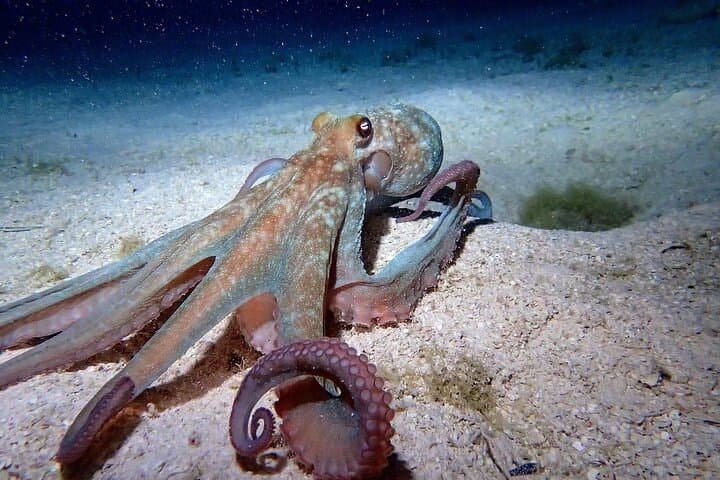
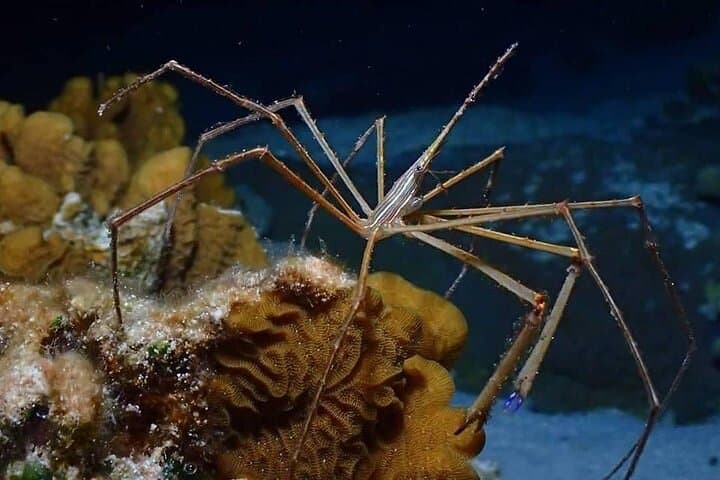
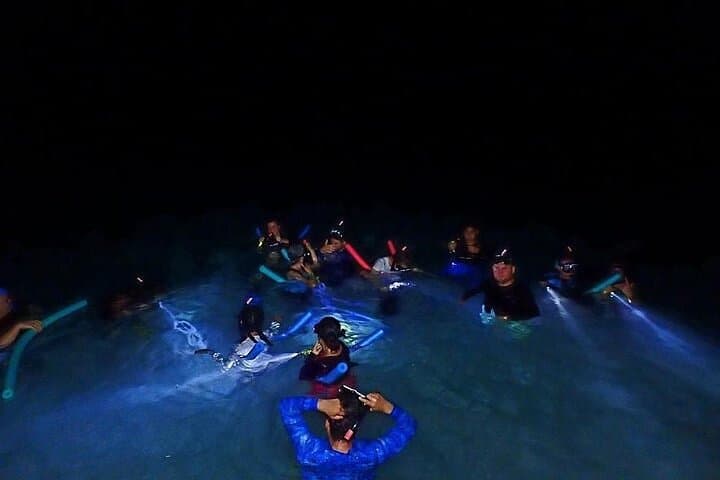
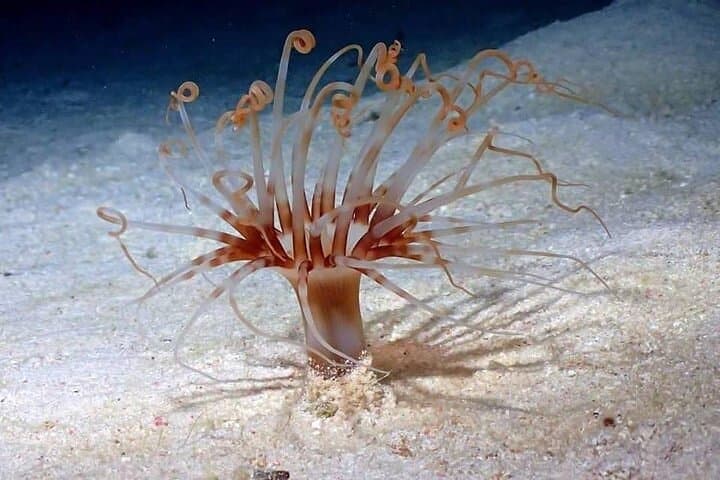
A warm Caribbean breeze carries the smell of salt as the sun drops below the horizon and guides lead a small group to the boat. Headlamps cut through the dark like lighthouses; the reef ahead is a shifting theater. At night corals relax their daytime façade and nocturnal animals—the shy Caribbean octopus, spiny lobsters and quick-silver squid—emerge to feed, probe crevices or patrol sandy flats.
A warm Caribbean breeze carries the smell of salt as the sun drops below the horizon and guides lead a small group to the boat. Headlamps cut through the dark like lighthouses; the reef ahead is a shifting theater. At night corals relax their daytime façade and nocturnal animals—the shy Caribbean octopus, spiny lobsters and quick-silver squid—emerge to feed, probe crevices or patrol sandy flats.
The Bay Islands sit on the northern edge of the Mesoamerican Barrier Reef, a geological spine of limestone and living coral shaped by sea level and currents. Roatán’s culture is seafaring: Creole, Garifuna and English-speaking islanders have long fished and dived these waters. Evening on the water feels like stepping into that maritime rhythm—quiet, focused, intimate.
Practically, this tour runs about 90 minutes. Guides provide snorkel gear and lead small groups to shallow reef gardens a few minutes from shore, so you won’t drift far from the boat or the light. Visibility can be excellent on calm nights; however, lights change animal behavior—stay close to your guide and avoid white lights sweeping the reef. Wear a dark-colored rashguard or wetsuit top, secure cameras, and use reef-safe sunscreen earlier in the day. If you’re prone to seasickness, take medication before boarding.
This is an accessible, low-impact way to see nocturnal reef life, but remember: don’t touch animals or corals, move slowly, and let the reef show itself. The night reef is active and curious—approach with patience and respect, and it will pay you back with rare, close-up moments.