THE ADVENTURE COLLECTIVE® · Independent discovery and booking for outdoor travel

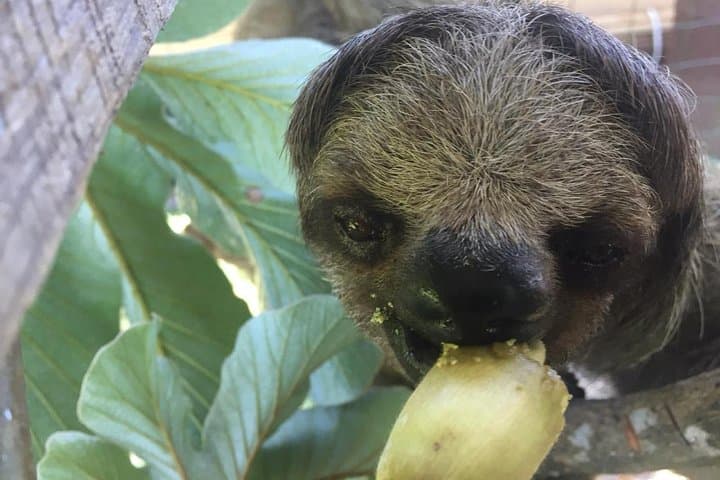
See capuchin monkeys and three‑toed sloths up close, then slip into shallow, fish‑filled water at a nearby sandbar. This 3–4 hour shore excursion pairs an easy wildlife walk with a beginner‑friendly snorkel on Roatán’s reef.
See capuchin monkeys and three‑toed sloths up close, then slip into shallow, fish‑filled water at a nearby sandbar. This 3–4 hour shore excursion pairs an easy wildlife walk with a beginner‑friendly snorkel on Roatán’s reef.
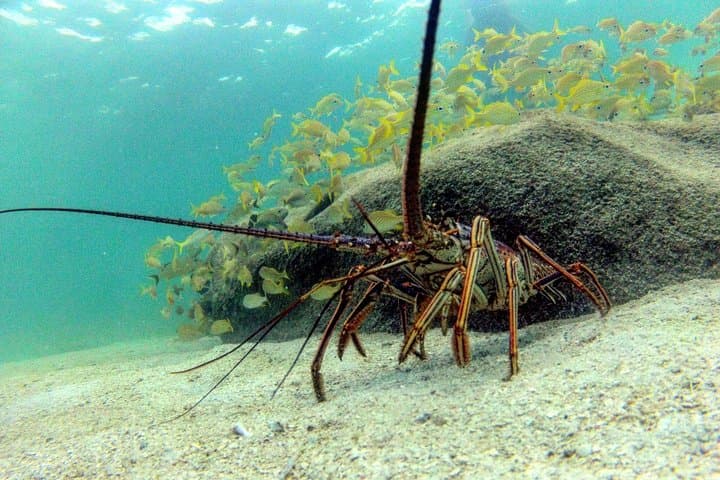
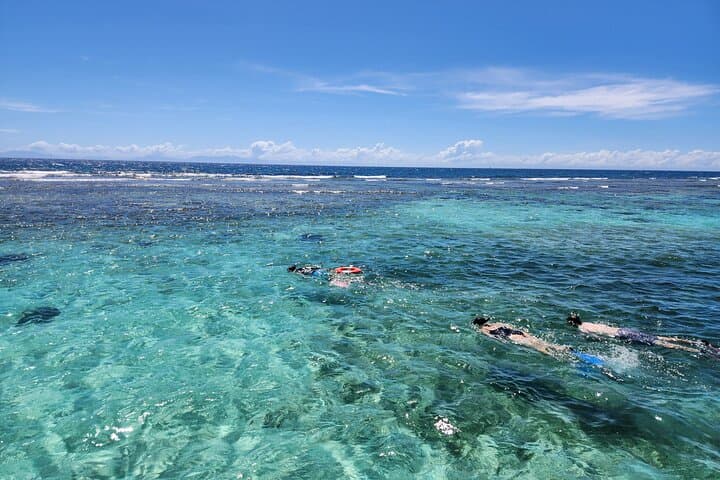
The excursion begins under low palms and the salted breeze of Roatán: a small sanctuary gate opens to a chorus of chattering capuchins and the slow, deliberate blink of three‑toed sloths. You’ll move from shaded trails and close-up animal viewing to waist‑deep, glassy water at a nearby sandbar where colorful reef fish and coral plates press close enough to study without diving.
Verified experiences and guided adventures in the surrounding area.
Operated by Roatan Getaway Tours · West End, Islas de la Bahía
The excursion begins under low palms and the salted breeze of Roatán: a small sanctuary gate opens to a chorus of chattering capuchins and the slow, deliberate blink of three‑toed sloths. You’ll move from shaded trails and close-up animal viewing to waist‑deep, glassy water at a nearby sandbar where colorful reef fish and coral plates press close enough to study without diving.
The Bay Islands sit on the Mesoamerican Barrier Reef — the second-largest reef system in the world — and Roatán’s coastal shelves are limestones carved by tropical seas. The island’s Anglophone and Garífuna influences show in the language, food, and small wooden buildings you’ll pass on the ride in. The sanctuary reflects a local focus on rescue and education; the snorkeling stop highlights how nearby shallow reefs support both tourism and fisheries.
Practically, expect a 3–4 hour outing with hotel pickup by air‑conditioned van and a bilingual guide. The sanctuary visit is a short, observational walk; the snorkel takes place on a sandbar 1–2 minutes from shore in 4–5 ft (1.2–1.5 m) of water — ideal for first‑time snorkelers. Bring reef‑safe sunscreen, a snug mask and fins if you have them, and a waterproof camera. Wear quick‑dry clothing and water shoes for the sandbar’s patchy coral.
Timing matters: mornings are calmer for snorkeling and animal activity. Respect markers, avoid touching animals or coral, and follow the guide’s briefing to get the most from both the wildlife encounter and the shallow reef experience.
moderate.
3–4 hours.
Suitable for travelers with basic fitness: able to walk short trails and swim in shallow water for 20–40 minutes.
No—snorkeling is done in shallow water (about 4–5 ft) and flotation devices are typically available; basic swimming comfort is recommended.
Hotel pickup/drop‑off, sanctuary admission, a guided visit, transport to the sandbar, and use of snorkeling equipment are included.
The sanctuary focuses on observation and care — interactions are supervised and may be limited to protect animal welfare.
Yes—children can join but must be accompanied by an adult and follow safety instructions; infants usually ride in a stroller until the water portions.
Roatán and the Bay Islands have British colonial and Garífuna influences; English is widely spoken and the islands developed around maritime trade and small‑scale fishing.
The area relies on reef conservation and responsible wildlife tourism—use reef‑safe products, avoid touching coral, and follow sanctuary rules to limit human impact.
Roatan Getaway Tours operates guided outdoor trips and adventures with an emphasis on safety, stewardship, and memorable experiences.

The excursion begins under low palms and the salted breeze of Roatán: a small sanctuary gate opens to a chorus of chattering capuchins and the slow, deliberate blink of three‑toed sloths. You’ll move from shaded trails and close-up animal viewing to waist‑deep, glassy water at a nearby sandbar where colorful reef fish and coral plates press close enough to study without diving.
The excursion begins under low palms and the salted breeze of Roatán: a small sanctuary gate opens to a chorus of chattering capuchins and the slow, deliberate blink of three‑toed sloths. You’ll move from shaded trails and close-up animal viewing to waist‑deep, glassy water at a nearby sandbar where colorful reef fish and coral plates press close enough to study without diving.
The Bay Islands sit on the Mesoamerican Barrier Reef — the second-largest reef system in the world — and Roatán’s coastal shelves are limestones carved by tropical seas. The island’s Anglophone and Garífuna influences show in the language, food, and small wooden buildings you’ll pass on the ride in. The sanctuary reflects a local focus on rescue and education; the snorkeling stop highlights how nearby shallow reefs support both tourism and fisheries.
Practically, expect a 3–4 hour outing with hotel pickup by air‑conditioned van and a bilingual guide. The sanctuary visit is a short, observational walk; the snorkel takes place on a sandbar 1–2 minutes from shore in 4–5 ft (1.2–1.5 m) of water — ideal for first‑time snorkelers. Bring reef‑safe sunscreen, a snug mask and fins if you have them, and a waterproof camera. Wear quick‑dry clothing and water shoes for the sandbar’s patchy coral.
Timing matters: mornings are calmer for snorkeling and animal activity. Respect markers, avoid touching animals or coral, and follow the guide’s briefing to get the most from both the wildlife encounter and the shallow reef experience.