THE ADVENTURE COLLECTIVE® · Independent discovery and booking for outdoor travel

Fly 480 feet above Roatán’s canopy, cross swinging suspension bridges, visit a wildlife sanctuary and finish with a reef snorkel. This half-day adventure mixes adrenaline with conservation-minded stops and practical logistics for cruise and hotel visitors.
Fly 480 feet above Roatán’s canopy, cross swinging suspension bridges, visit a wildlife sanctuary and finish with a reef snorkel. This half-day adventure mixes adrenaline with conservation-minded stops and practical logistics for cruise and hotel visitors.
You step onto the wooden platform and the wind tugs at your harness like a dare. Below, the island slopes toward two bright blue harbors and the roofs of ships at port; above, the canopy opens and a series of cables disappear into the distance. For the next hour and a half you move through Roatán by line—sixteen double glides, twenty-four platforms, three swinging suspension bridges—peeling back the island's layers from tree-bole height to the reef’s edge.
Verified experiences and guided adventures in the surrounding area.
Operated by Roatan Anderson Tours · Coxen Hole, Islas de la Bahía
You step onto the wooden platform and the wind tugs at your harness like a dare. Below, the island slopes toward two bright blue harbors and the roofs of ships at port; above, the canopy opens and a series of cables disappear into the distance. For the next hour and a half you move through Roatán by line—sixteen double glides, twenty-four platforms, three swinging suspension bridges—peeling back the island's layers from tree-bole height to the reef’s edge.
This isn’t just a thrill run. The Bay Islands sit on the exposed edge of the Mesoamerican Barrier Reef, the Western Hemisphere’s second-largest coral system, and Roatán’s human story is stitched from English mariners, indigenous Mesoamerican trade, and the more recent boom in cruise tourism. The zip course was built to thread through secondary tropical forest and lingering patches of native hardwoods, negotiating limestone outcrops and steep ravines. Platforms give views to the old coral rock under your feet and the harbor far below; the final descent ends on sand, where a small animal sanctuary keeps rescued parrots, coatimundis and other local fauna, and a boat waits to drop you into the reef.
The sanctuary portion is quietly civic-minded—animals that can’t be released get care and a second life here, and the site doubles as a conservation education stop for visitors. From the beach, a quick boat run takes you to shallow reef flats: an hour among parrotfish, angelfish and the occasional sea turtle. Guides brief snorkelers on reef etiquette—no standing on coral, keep fins parallel to the surface—and hand out masks and fins before you enter.
Practical edge: the full program runs roughly three to four hours and requires a moderate fitness level—stair climbing and repeated short hikes between platforms are part of the day. Wear closed-toe shoes for the course, reef-safe sunscreen, and bring water and a light packed lunch or cash for a beach snack. Weight and age limits apply; staff provide a full safety briefing and modern harness systems, but the experience is not recommended for guests with serious heart conditions or pregnancy.
Plan for mornings to avoid peak cruise crowds—pickups are coordinated from Mahogany Bay and Coxen Hole ports, and the operator will meet ships and hotels. If the sky looks unsettled, the operator may cancel for safety; that rain means rough water and slippery platforms, not a better zipline.
This is an adventure that stitches adrenaline to stewardship: you leave with wind-whipped hair, a photo card of the reef in your hand, and a clearer sense of the fragile marine world below the lines.
moderate.
3–4 hours.
Moderate fitness—comfortable with stairs, short hikes and standing for safety briefings.
Yes—masks, snorkels and fins are included and fit by staff before you go on the boat.
Age and weight limits apply for safety on the zipline—confirm exact figures with the operator when booking; children must meet minimum age requirements and guests must be within harness limits.
Pickups are coordinated from both Mahogany Bay and Town Center/Coxen Hole—follow the operator’s docking instructions and meet at the designated cruise port meeting point after disembarking.
Yes—staff provide full safety briefings and guided lines; however a basic comfort with heights and stair-climbing is necessary.
The operator cancels for heavy rain or high winds; you’ll be notified and eligible for a refund if canceled at least 24 hours before departure or if safety conditions mandate cancellation.
Limited storage is available at the base facility and staff recommend bringing a small dry bag for valuables; leave expensive items on the ship or in your hotel safe.
Roatán’s history mixes English colonial trade, shipwrecks and indigenous Garífuna influences; the island’s tourism infrastructure grew around its natural harbor and reefs.
Operators emphasize reef etiquette and support the local sanctuary; coral health is fragile—avoid touching or standing on coral and use reef-safe products.
Roatan Anderson Tours operates guided outdoor trips and adventures with an emphasis on safety, stewardship, and memorable experiences.
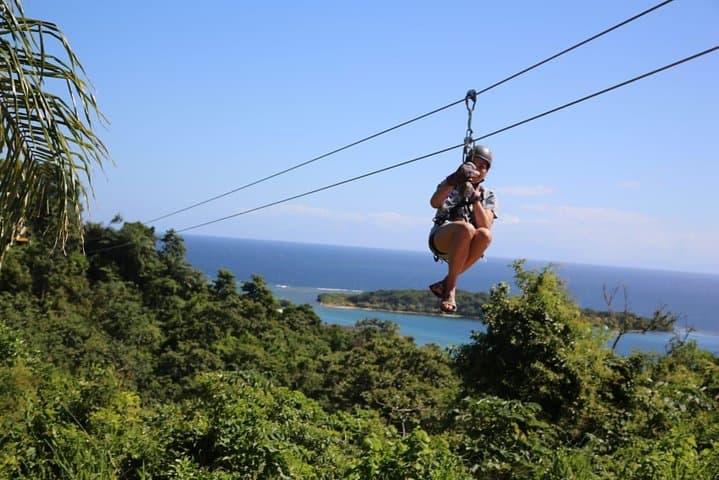
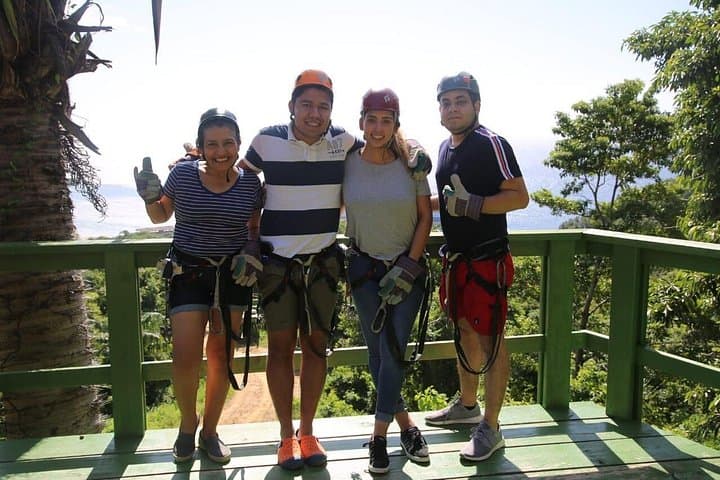
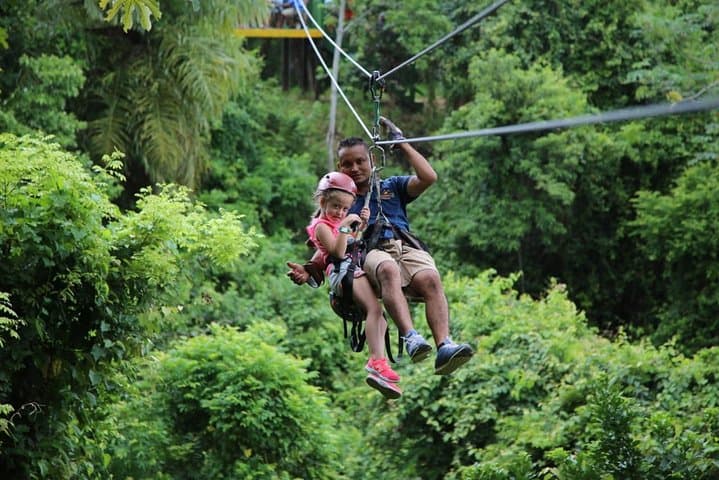
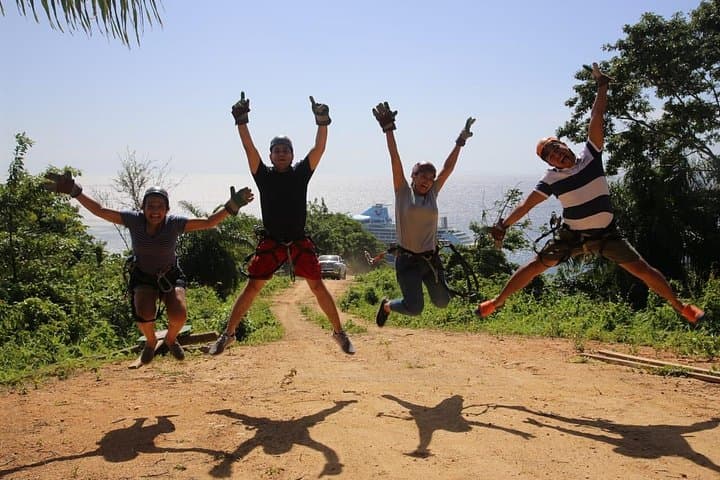
You step onto the wooden platform and the wind tugs at your harness like a dare. Below, the island slopes toward two bright blue harbors and the roofs of ships at port; above, the canopy opens and a series of cables disappear into the distance. For the next hour and a half you move through Roatán by line—sixteen double glides, twenty-four platforms, three swinging suspension bridges—peeling back the island's layers from tree-bole height to the reef’s edge.
You step onto the wooden platform and the wind tugs at your harness like a dare. Below, the island slopes toward two bright blue harbors and the roofs of ships at port; above, the canopy opens and a series of cables disappear into the distance. For the next hour and a half you move through Roatán by line—sixteen double glides, twenty-four platforms, three swinging suspension bridges—peeling back the island's layers from tree-bole height to the reef’s edge.
This isn’t just a thrill run. The Bay Islands sit on the exposed edge of the Mesoamerican Barrier Reef, the Western Hemisphere’s second-largest coral system, and Roatán’s human story is stitched from English mariners, indigenous Mesoamerican trade, and the more recent boom in cruise tourism. The zip course was built to thread through secondary tropical forest and lingering patches of native hardwoods, negotiating limestone outcrops and steep ravines. Platforms give views to the old coral rock under your feet and the harbor far below; the final descent ends on sand, where a small animal sanctuary keeps rescued parrots, coatimundis and other local fauna, and a boat waits to drop you into the reef.
The sanctuary portion is quietly civic-minded—animals that can’t be released get care and a second life here, and the site doubles as a conservation education stop for visitors. From the beach, a quick boat run takes you to shallow reef flats: an hour among parrotfish, angelfish and the occasional sea turtle. Guides brief snorkelers on reef etiquette—no standing on coral, keep fins parallel to the surface—and hand out masks and fins before you enter.
Practical edge: the full program runs roughly three to four hours and requires a moderate fitness level—stair climbing and repeated short hikes between platforms are part of the day. Wear closed-toe shoes for the course, reef-safe sunscreen, and bring water and a light packed lunch or cash for a beach snack. Weight and age limits apply; staff provide a full safety briefing and modern harness systems, but the experience is not recommended for guests with serious heart conditions or pregnancy.
Plan for mornings to avoid peak cruise crowds—pickups are coordinated from Mahogany Bay and Coxen Hole ports, and the operator will meet ships and hotels. If the sky looks unsettled, the operator may cancel for safety; that rain means rough water and slippery platforms, not a better zipline.
This is an adventure that stitches adrenaline to stewardship: you leave with wind-whipped hair, a photo card of the reef in your hand, and a clearer sense of the fragile marine world below the lines.