THE ADVENTURE COLLECTIVE® · Independent discovery and booking for outdoor travel

Float through mangrove tunnels, jump into a natural ocean pool, and snorkel on reef gardens along Roatán’s eastern shore. This 4–5 hour exploration mixes Garifuna culture, pirate‑era ruins and clear Caribbean water.
Float through mangrove tunnels, jump into a natural ocean pool, and snorkel on reef gardens along Roatán’s eastern shore. This 4–5 hour exploration mixes Garifuna culture, pirate‑era ruins and clear Caribbean water.
You step off the air-conditioned van and the island air wraps around you—salty, warm, and threaded with distant drumbeats. A shallow paddle boat waits at the mangrove fringe; you don’t paddle, but the current and guide steer you into a quieter world where roots curve like cathedral columns and an ocean pool sits like a bright, breathing eye.
Verified experiences and guided adventures in the surrounding area.
Operated by Roatan Tour Guide Association · Roatán, Bay Islands
You step off the air-conditioned van and the island air wraps around you—salty, warm, and threaded with distant drumbeats. A shallow paddle boat waits at the mangrove fringe; you don’t paddle, but the current and guide steer you into a quieter world where roots curve like cathedral columns and an ocean pool sits like a bright, breathing eye.
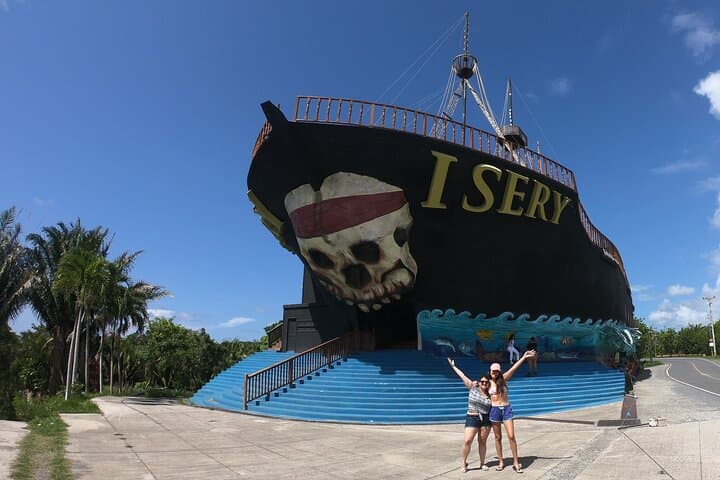
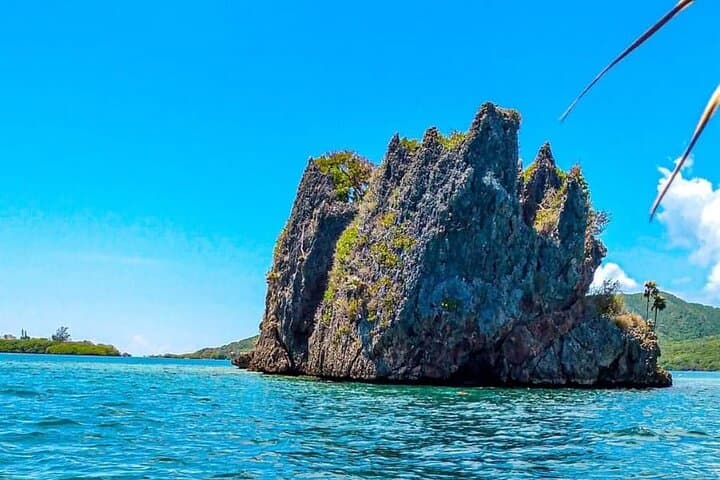
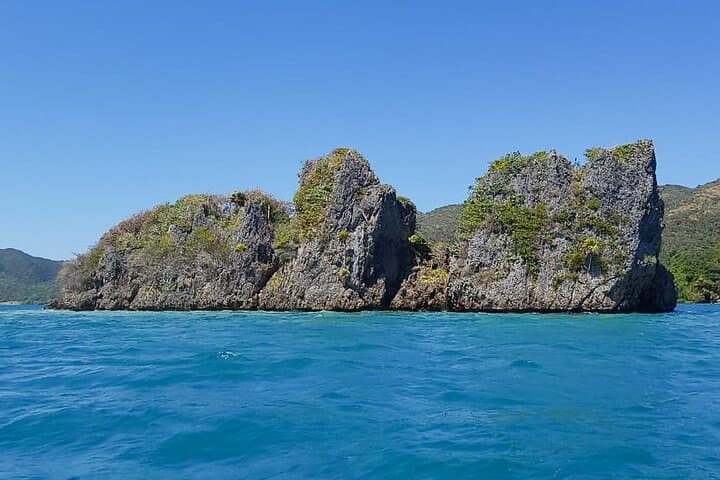
This route follows the island’s geological edge: limestone terraces dropping to coral reef and narrow, sheltered channels carved by tides. Port Royal holds the leftover bones of a violent 17th‑century past when privateers and pirates used Roatán as a waypoint; small cannon foundations and rubble still punctuate some islets. In Punta Gorda, Garifuna culture remains visible in language, music and food—try the local drink and watch the Punta dance if the timing aligns.
Expect clear-water snorkeling over coral gardens framed by mangrove root systems that filter sediments and feed the reef. Wildlife is active and direct: iguanas bask on exposed roots, and schools of reef fish dart like colored punctuation marks below.
Practical guidance: tours run about 4–5 hours, often with short on‑foot stops and boat transfers. Bring a reef‑safe sunscreen, a quick‑dry towel, and water in a reusable bottle; snorkeling gear is usually provided but many prefer a personal mask for fit. Wear shoes that can get wet and sun protection—hat and UV shirt. Timing matters: morning departures tend to offer calmer seas and clearer visibility. Respect the mangroves and reef—look, don’t touch. This trip is easily accessible for most travelers and delivers a concentrated slice of Roatán’s natural and cultural edges.
easy.
4–5 hours.
Suitable for most fitness levels; requires short boat transfers and light walking; minimal exertion.
Most operators include basic snorkel equipment, but many travelers bring their own mask for a better fit and comfort.
Private transportation is typically included; confirm pickup details and meeting points when you book.
Yes—guides accommodate families and non‑swimmers; life vests are available and the boat provides safe, shallow snorkeling options.
Do not step on or touch coral, avoid feeding fish, and use reef‑safe sunscreen to minimize damage to marine life.
Roatán’s east end bears traces of 17th‑century privateering and a strong Garifuna presence—Punta Gorda remains a cultural center for traditional music and food.
Mangroves are crucial nurseries for reef fish and protect shores from erosion; practice no‑trace visitation and choose operators who support reef conservation.
Roatan Tour Guide Association operates guided outdoor trips and adventures with an emphasis on safety, stewardship, and memorable experiences.
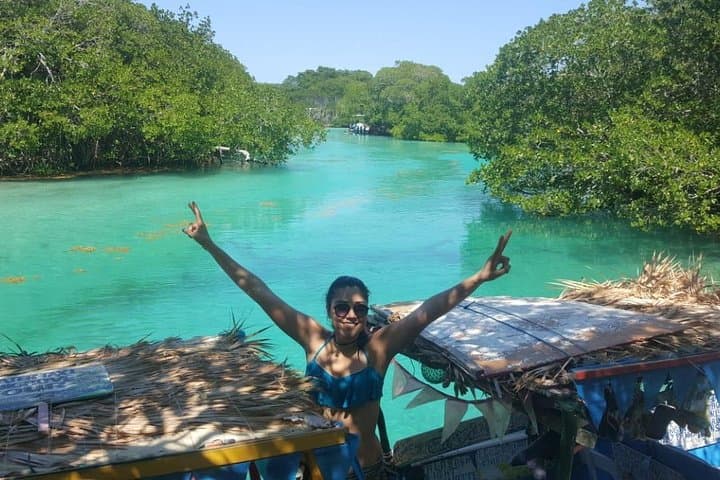
You step off the air-conditioned van and the island air wraps around you—salty, warm, and threaded with distant drumbeats. A shallow paddle boat waits at the mangrove fringe; you don’t paddle, but the current and guide steer you into a quieter world where roots curve like cathedral columns and an ocean pool sits like a bright, breathing eye.
You step off the air-conditioned van and the island air wraps around you—salty, warm, and threaded with distant drumbeats. A shallow paddle boat waits at the mangrove fringe; you don’t paddle, but the current and guide steer you into a quieter world where roots curve like cathedral columns and an ocean pool sits like a bright, breathing eye.
This route follows the island’s geological edge: limestone terraces dropping to coral reef and narrow, sheltered channels carved by tides. Port Royal holds the leftover bones of a violent 17th‑century past when privateers and pirates used Roatán as a waypoint; small cannon foundations and rubble still punctuate some islets. In Punta Gorda, Garifuna culture remains visible in language, music and food—try the local drink and watch the Punta dance if the timing aligns.
Expect clear-water snorkeling over coral gardens framed by mangrove root systems that filter sediments and feed the reef. Wildlife is active and direct: iguanas bask on exposed roots, and schools of reef fish dart like colored punctuation marks below.
Practical guidance: tours run about 4–5 hours, often with short on‑foot stops and boat transfers. Bring a reef‑safe sunscreen, a quick‑dry towel, and water in a reusable bottle; snorkeling gear is usually provided but many prefer a personal mask for fit. Wear shoes that can get wet and sun protection—hat and UV shirt. Timing matters: morning departures tend to offer calmer seas and clearer visibility. Respect the mangroves and reef—look, don’t touch. This trip is easily accessible for most travelers and delivers a concentrated slice of Roatán’s natural and cultural edges.