THE ADVENTURE COLLECTIVE® · Independent discovery and booking for outdoor travel

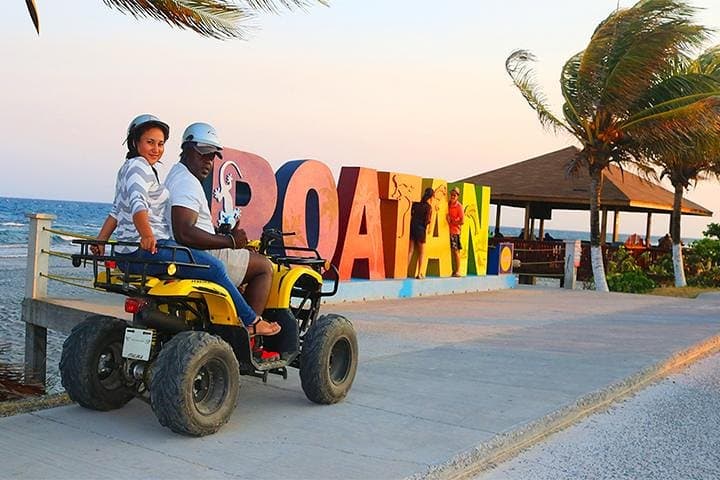
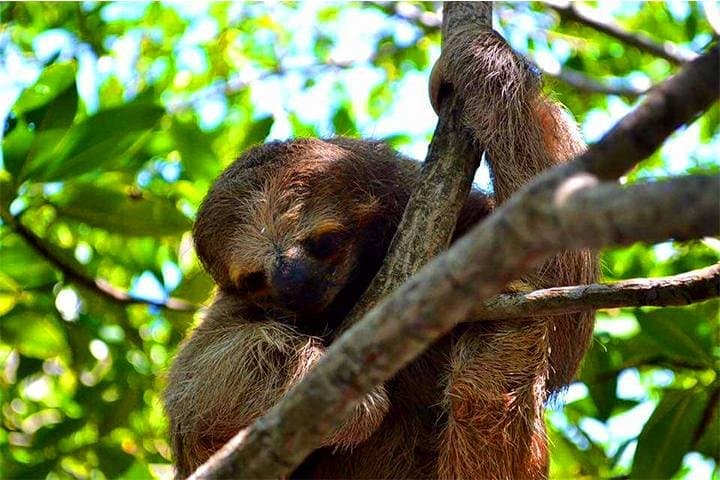
Ride west Roatán’s dusty lanes by ATV, meet sloths and monkeys at an eco-park, and taste local chocolate and rum. This 3–5 hour tour mixes off-road thrills with cultural stops and consistent photo opportunities.
Ride west Roatán’s dusty lanes by ATV, meet sloths and monkeys at an eco-park, and taste local chocolate and rum. This 3–5 hour tour mixes off-road thrills with cultural stops and consistent photo opportunities.
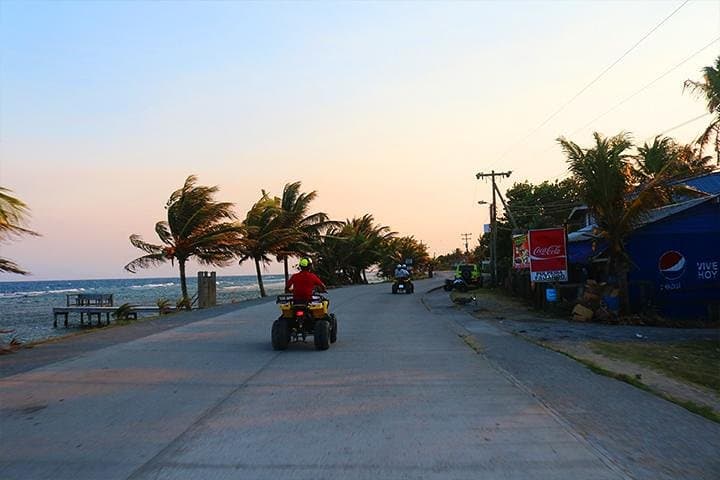
You kick gravel as the ATV hums awake and the island exhales around you—palm shadows sliding across a narrow road, birds calling from the canopy, and the ocean glinting on a distant ridge.
Verified experiences and guided adventures in the surrounding area.
Operated by Roatan Five Stars Tours · Coxen Hole, Bay Islands
You kick gravel as the ATV hums awake and the island exhales around you—palm shadows sliding across a narrow road, birds calling from the canopy, and the ocean glinting on a distant ridge.
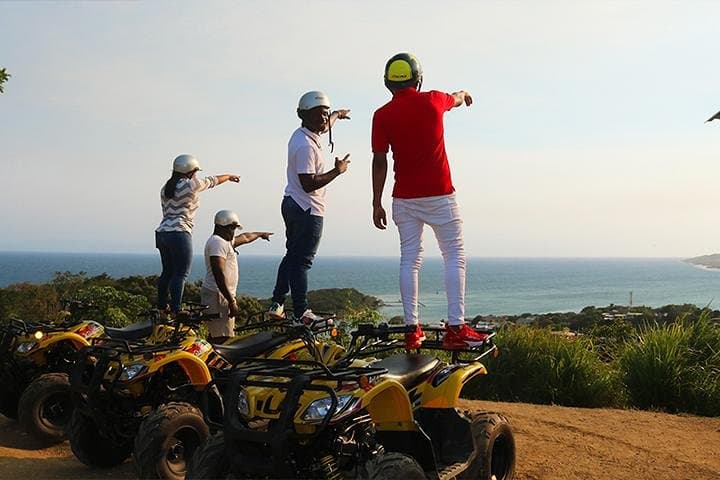
This west-side Roatán route threads through small villages—Coxen Hole, Flowers Bay, West End and Sandy Bay—offering abrupt viewpoint climbs that reveal the island’s limestone terraces and coral-reef rim. The wildlife eco-park stop puts sloths and spider monkeys within arm’s reach while local guides explain species behavior and the importance of native mangroves. A visit to a cacao-and-chocolate workshop and a rum stop tie the land to its colonial-era crop history: cacao was a cash crop here long before tourism reshaped the economy.
Geology is simple and sharp: coral bedrock uplifted into hilly ridges, thin soils that support scrub, citrus and coconut palms. Cultural notes are practical—small fishing villages, informal markets and drivers who move at island time.
Practical guidance: the ride is 3–5 hours and moderately physical—expect uneven trails, short steep pitches and frequent stops for photos. Helmets are provided; bring closed-toe shoes, long sleeves for dust and reef-safe sunscreen. Hydrate before and during the tour; heat and humidity can rise quickly. Respect the wildlife: eco-park rules limit handling and feeding.
Timing matters—morning departures avoid mid-day heat and afternoon rain. For photographers, the hill viewpoints give clean sightlines of village roofs and blue water beyond; move quickly between stops, as light and tides change fast.
moderate.
3–5 hours.
Moderate fitness required: able to mount/dismount ATVs, handle short uneven trails, and tolerate heat and dust.
Most operators require participants to be comfortable driving an ATV; specific license requirements vary—confirm with the operator when booking.
The tour typically includes the eco-park fee, but chocolate factory visits and food/drinks are often optional and paid locally—check your booking details.
Age restrictions vary by operator; many require riders to be at least 16 to drive and younger passengers to be accompanied—verify before arrival.
Yes, helmets are provided and required while riding; you should still bring sunglasses and a buff to keep dust out of your face.
Roatán’s communities grew from Garifuna and Bay Island Creole cultures and a history of small-scale fishing and coconut agriculture; cacao and rum reflect colonial-era trade links.
Mangrove and reef protection is critical here—choose operators that support eco-park fees and follow wildlife-handling rules to reduce stress on animals and habitat impact.
Roatan Five Stars Tours operates guided outdoor trips and adventures with an emphasis on safety, stewardship, and memorable experiences.
You kick gravel as the ATV hums awake and the island exhales around you—palm shadows sliding across a narrow road, birds calling from the canopy, and the ocean glinting on a distant ridge.
You kick gravel as the ATV hums awake and the island exhales around you—palm shadows sliding across a narrow road, birds calling from the canopy, and the ocean glinting on a distant ridge.
This west-side Roatán route threads through small villages—Coxen Hole, Flowers Bay, West End and Sandy Bay—offering abrupt viewpoint climbs that reveal the island’s limestone terraces and coral-reef rim. The wildlife eco-park stop puts sloths and spider monkeys within arm’s reach while local guides explain species behavior and the importance of native mangroves. A visit to a cacao-and-chocolate workshop and a rum stop tie the land to its colonial-era crop history: cacao was a cash crop here long before tourism reshaped the economy.
Geology is simple and sharp: coral bedrock uplifted into hilly ridges, thin soils that support scrub, citrus and coconut palms. Cultural notes are practical—small fishing villages, informal markets and drivers who move at island time.
Practical guidance: the ride is 3–5 hours and moderately physical—expect uneven trails, short steep pitches and frequent stops for photos. Helmets are provided; bring closed-toe shoes, long sleeves for dust and reef-safe sunscreen. Hydrate before and during the tour; heat and humidity can rise quickly. Respect the wildlife: eco-park rules limit handling and feeding.
Timing matters—morning departures avoid mid-day heat and afternoon rain. For photographers, the hill viewpoints give clean sightlines of village roofs and blue water beyond; move quickly between stops, as light and tides change fast.