THE ADVENTURE COLLECTIVE® · Independent discovery and booking for outdoor travel

Walk the Camino’s last stretch from Santiago to Finisterre, through forests, fishing towns, and Atlantic cliffs. This guided 6-day route combines daily stages of 16–28 km with luggage transfer, overnight stays, and a final seafood dinner at the ‘end of the world.’
Walk the Camino’s last stretch from Santiago to Finisterre, through forests, fishing towns, and Atlantic cliffs. This guided 6-day route combines daily stages of 16–28 km with luggage transfer, overnight stays, and a final seafood dinner at the ‘end of the world.’
A wind-cut morning at the Plaza del Obradoiro sets the tone: pilgrims tighten bootlaces, backpacks hum with the day’s essentials, and the stone facades of Santiago watch the procession leave for the coast. Over six days the route moves from cathedral squares to shady eucalyptus and oak tracks, then opens onto Atlantic cliffs where the sea pushes its cold breath against the land.
Verified experiences and guided adventures in the surrounding area.
Operated by Viajes Camino De Santiago · Finisterre, A Coruña (Galicia)
A wind-cut morning at the Plaza del Obradoiro sets the tone: pilgrims tighten bootlaces, backpacks hum with the day’s essentials, and the stone facades of Santiago watch the procession leave for the coast. Over six days the route moves from cathedral squares to shady eucalyptus and oak tracks, then opens onto Atlantic cliffs where the sea pushes its cold breath against the land.
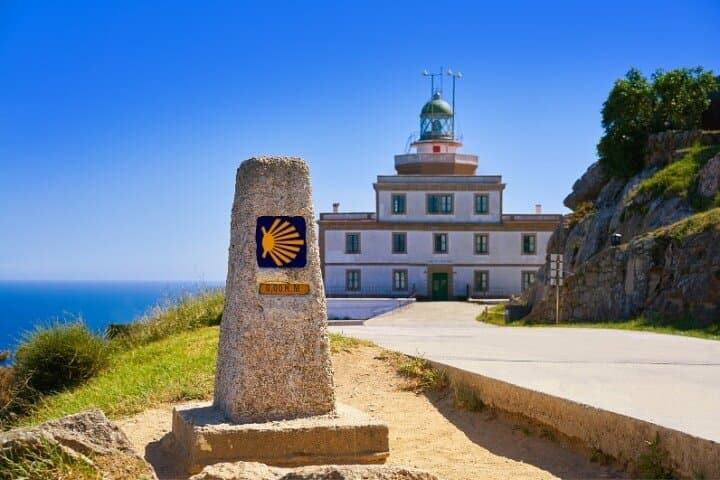
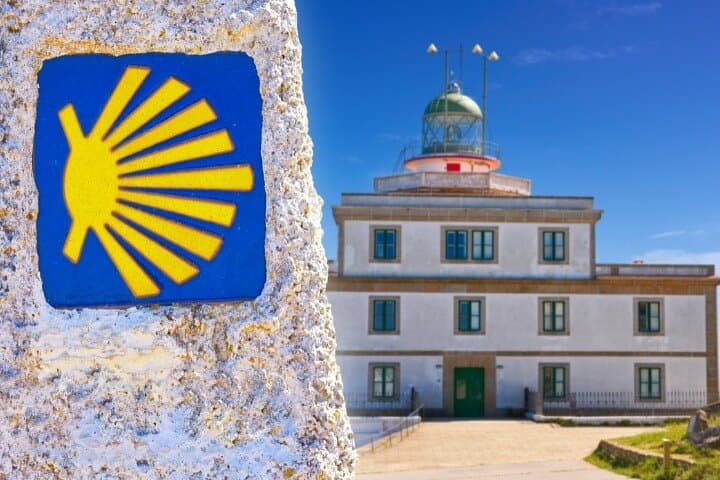
This extension of the Camino carries layers of history—Roman roads reworked by medieval pilgrims—and geology shaped by granite outcrops and glacial sculpting that formed the rugged Costa da Morte. Villages along the way keep Galician customs alive: bell towers call to evening meals, fishermen mend nets in Cee, and Finisterre’s lighthouse marks a place that once meant “end of the world.” The ritual of burning a piece of clothing or dipping boots in the sea is as much cultural punctuation as myth.
Expect practical terrain: daily walking stages of 16–28 km across mixed surfaces—cobbled streets, packed dirt forest trails, coastal tracks—with daily climbs typically up to 300–500 m on rolling hills. Luggage transfers and hotel stays are provided, and the final night culminates in a seafood dinner with ocean views.
Plan for changeable weather and strong coastal winds: waterproof layers, sturdy footwear, and timed departures to avoid afternoon gales will preserve comfort. Hydration and blister care are essential; mornings are best for longer stages when temperatures are cooler. This is pilgrimage walking with comfortable logistics—historic, coastal, and uncompromisingly real.
moderate.
5–6 days.
Suitable for regular walkers who can handle consecutive days of 16–28 km; good aerobic fitness and strong ankles are helpful.
Daily stages range from about 16 km to 28 km, with 4 main walking days listed between Negreira and Finisterre.
Yes—luggage transportation between stages is included so participants can hike unencumbered.
Accommodation is in hotels and rural houses of local standard; the itinerary notes charming hotels and an exclusive hotel in Finisterre.
The tour is described as suitable for all physical fitness levels, but beginners should be ready for consecutive days of walking and discuss needs at booking.
Finisterre has been a ritual terminus since Roman times and later served as a symbolic end-point for Christian pilgrims completing the Camino.
The route crosses sensitive coastal habitats; stick to marked paths, avoid cliff-edge shortcuts, and follow local guidance to minimize erosion and disturbance.
Viajes Camino De Santiago operates guided outdoor trips and adventures with an emphasis on safety, stewardship, and memorable experiences.
A wind-cut morning at the Plaza del Obradoiro sets the tone: pilgrims tighten bootlaces, backpacks hum with the day’s essentials, and the stone facades of Santiago watch the procession leave for the coast. Over six days the route moves from cathedral squares to shady eucalyptus and oak tracks, then opens onto Atlantic cliffs where the sea pushes its cold breath against the land.
A wind-cut morning at the Plaza del Obradoiro sets the tone: pilgrims tighten bootlaces, backpacks hum with the day’s essentials, and the stone facades of Santiago watch the procession leave for the coast. Over six days the route moves from cathedral squares to shady eucalyptus and oak tracks, then opens onto Atlantic cliffs where the sea pushes its cold breath against the land.
This extension of the Camino carries layers of history—Roman roads reworked by medieval pilgrims—and geology shaped by granite outcrops and glacial sculpting that formed the rugged Costa da Morte. Villages along the way keep Galician customs alive: bell towers call to evening meals, fishermen mend nets in Cee, and Finisterre’s lighthouse marks a place that once meant “end of the world.” The ritual of burning a piece of clothing or dipping boots in the sea is as much cultural punctuation as myth.
Expect practical terrain: daily walking stages of 16–28 km across mixed surfaces—cobbled streets, packed dirt forest trails, coastal tracks—with daily climbs typically up to 300–500 m on rolling hills. Luggage transfers and hotel stays are provided, and the final night culminates in a seafood dinner with ocean views.
Plan for changeable weather and strong coastal winds: waterproof layers, sturdy footwear, and timed departures to avoid afternoon gales will preserve comfort. Hydration and blister care are essential; mornings are best for longer stages when temperatures are cooler. This is pilgrimage walking with comfortable logistics—historic, coastal, and uncompromisingly real.