THE ADVENTURE COLLECTIVE® · Independent discovery and booking for outdoor travel

Spend a full day tracing Riyadh’s arc from Najdi mud-brick cities to glass skyscrapers. Visit the Saudi National Museum, wander Al-Dira souk, stand inside Al Masmak Castle, then explore UNESCO-listed Diriyah with time for a traditional lunch and city views from Kingdom Tower.
Spend a full day tracing Riyadh’s arc from Najdi mud-brick cities to glass skyscrapers. Visit the Saudi National Museum, wander Al-Dira souk, stand inside Al Masmak Castle, then explore UNESCO-listed Diriyah with time for a traditional lunch and city views from Kingdom Tower.
You step out of an air-conditioned van into Riyadh’s dry heat and the city opens in layers: the low mud-brick walls of Diriyah to the northwest, the squat fortress of Al Masmak a short drive away, and the modern glass of Kingdom Tower stabbing the skyline. Dust lifts off the street as a guide gestures toward a carved wooden door; you can almost hear footsteps from a different century.
Verified experiences and guided adventures in the surrounding area.
Operated by GTS DMC · Riyadh, Riyadh Province
You step out of an air-conditioned van into Riyadh’s dry heat and the city opens in layers: the low mud-brick walls of Diriyah to the northwest, the squat fortress of Al Masmak a short drive away, and the modern glass of Kingdom Tower stabbing the skyline. Dust lifts off the street as a guide gestures toward a carved wooden door; you can almost hear footsteps from a different century.
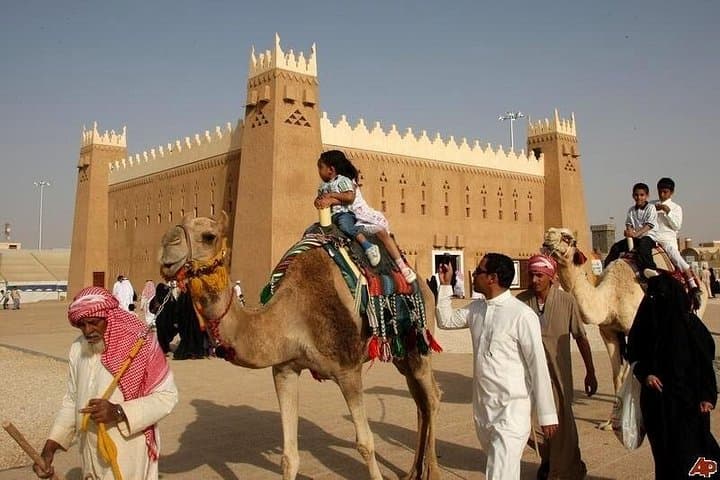
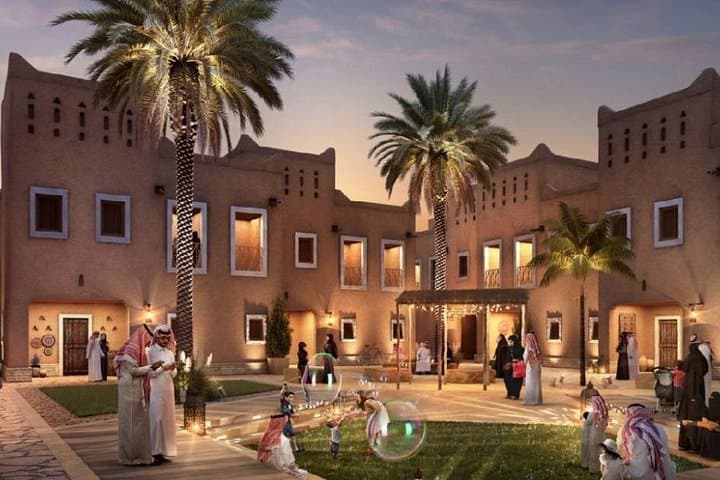
The day moves from curated galleries to market alleys. The Saudi National Museum lays out human and geological timelines—fossil-rich Arabian plateaus, trade routes that threaded the peninsula, and the fast rise of oil-era Riyadh. Al-Dira souk offers texture: traders calling, spices and coffee beans piled in cones. Al Masmak Castle is a focal point—its clay walls are where the 1902 recapture that helped found modern Saudi rule began. Later, Diriyah’s At-Turaif district shows Najdi architecture—rammed-earth walls, mud-plastered mosques—now conserved as a UNESCO landscape.
Practical rhythm matters: much of the visit is short walks between sites with shaded rests and museum interiors. Expect 6–8 hours including breaks and a sit-down traditional lunch. Carry water, wear breathable shoes and conservative daytime clothing; photography may be restricted at heritage sites. Morning starts avoid the hottest sun and evening light on Diriyah’s restored facades is best for photos.
This tour balances urban history and living culture—ideal if you want a single-day survey of Riyadh’s past and present, with practical pacing that keeps the day informative rather than rushed.
easy.
8 hours.
Suitable for most fitness levels; involves multiple short walks on flat or gently uneven surfaces totaling a few kilometers over the day.
The tour runs about 8 hours and typically includes museum admissions, a traditional lunch, bottled water, and transport in an air-conditioned vehicle.
Yes—it's rated easy and designed for all fitness levels; expect mostly short walks with rest stops and seated lunch options.
Some heritage sites and restoration zones limit photography; guides will advise when photos are permitted or require no-flash use.
Carry a small amount of local currency for souvenirs or market purchases; the tour covers admissions and lunch but not personal purchases.
Diriyah was the first Saudi state’s capital in the 18th century and Al Masmak Castle was pivotal in Ibn Saud’s 1902 return to Riyadh; both are central to modern Saudi identity.
Diriyah is undergoing a major conservation and restoration effort under UNESCO guidance; visitors are encouraged to stick to marked paths and support local heritage initiatives.
GTS DMC operates guided outdoor trips and adventures with an emphasis on safety, stewardship, and memorable experiences.
You step out of an air-conditioned van into Riyadh’s dry heat and the city opens in layers: the low mud-brick walls of Diriyah to the northwest, the squat fortress of Al Masmak a short drive away, and the modern glass of Kingdom Tower stabbing the skyline. Dust lifts off the street as a guide gestures toward a carved wooden door; you can almost hear footsteps from a different century.
You step out of an air-conditioned van into Riyadh’s dry heat and the city opens in layers: the low mud-brick walls of Diriyah to the northwest, the squat fortress of Al Masmak a short drive away, and the modern glass of Kingdom Tower stabbing the skyline. Dust lifts off the street as a guide gestures toward a carved wooden door; you can almost hear footsteps from a different century.
The day moves from curated galleries to market alleys. The Saudi National Museum lays out human and geological timelines—fossil-rich Arabian plateaus, trade routes that threaded the peninsula, and the fast rise of oil-era Riyadh. Al-Dira souk offers texture: traders calling, spices and coffee beans piled in cones. Al Masmak Castle is a focal point—its clay walls are where the 1902 recapture that helped found modern Saudi rule began. Later, Diriyah’s At-Turaif district shows Najdi architecture—rammed-earth walls, mud-plastered mosques—now conserved as a UNESCO landscape.
Practical rhythm matters: much of the visit is short walks between sites with shaded rests and museum interiors. Expect 6–8 hours including breaks and a sit-down traditional lunch. Carry water, wear breathable shoes and conservative daytime clothing; photography may be restricted at heritage sites. Morning starts avoid the hottest sun and evening light on Diriyah’s restored facades is best for photos.
This tour balances urban history and living culture—ideal if you want a single-day survey of Riyadh’s past and present, with practical pacing that keeps the day informative rather than rushed.