THE ADVENTURE COLLECTIVE® · Independent discovery and booking for outdoor travel

Trade Riyadh’s skyline for rolling sand ridges on a half‑day escape that pairs traditional camel riding with guided ATV runs. Expect quiet dune crossings, engine‑charged sprints, and desert camp photo ops tailored for first‑time visitors.
Trade Riyadh’s skyline for rolling sand ridges on a half‑day escape that pairs traditional camel riding with guided ATV runs. Expect quiet dune crossings, engine‑charged sprints, and desert camp photo ops tailored for first‑time visitors.
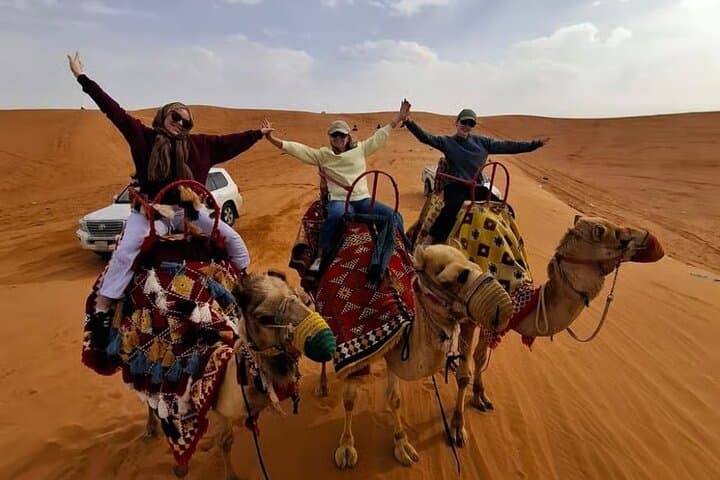
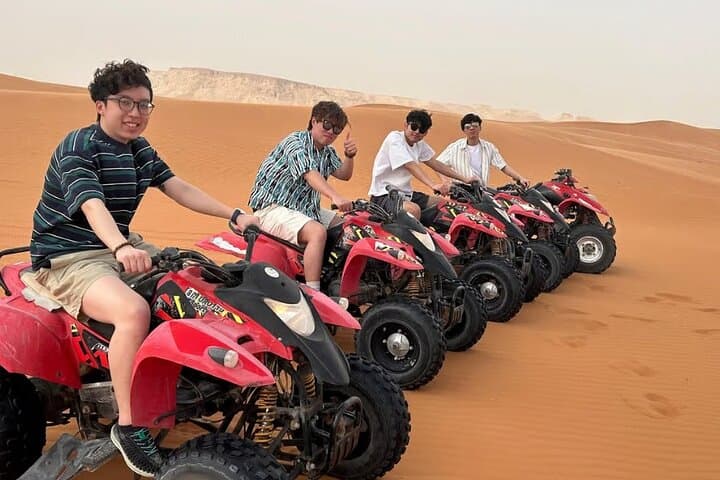
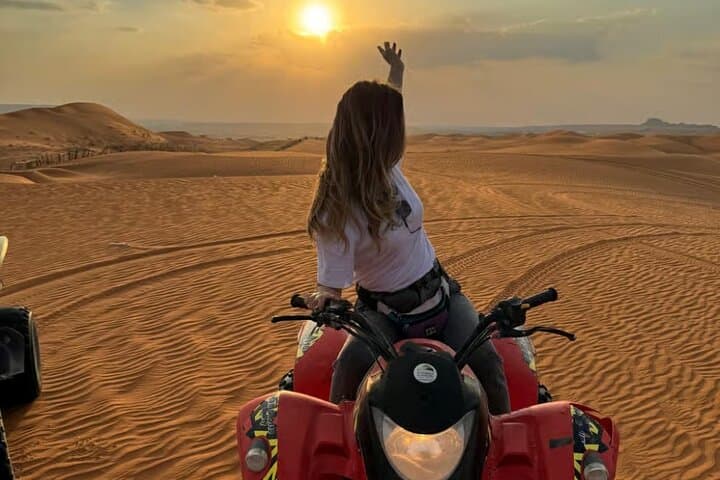
The air smells of hot metal and oud as the city falls away and a ribbon of golden dunes unfolds — a landscape that seems to move with its own slow pulse. You step from an air‑conditioned van onto sand that has been carved by wind into ridges, then climb a camel for a quiet, measured crossing; later, the engine note of an ATV ripples across the bowls of the dunes as you chase the light toward the horizon.
Verified experiences and guided adventures in the surrounding area.
Operated by Tour and Trip · Riyadh, Riyadh Province
The air smells of hot metal and oud as the city falls away and a ribbon of golden dunes unfolds — a landscape that seems to move with its own slow pulse. You step from an air‑conditioned van onto sand that has been carved by wind into ridges, then climb a camel for a quiet, measured crossing; later, the engine note of an ATV ripples across the bowls of the dunes as you chase the light toward the horizon.
This stretch of desert east of Riyadh sits on the edge of the Najd and links to the Ad‑Dahna corridor, a geological seam of migrating sand formed by millennia of wind and sparse rains. Camels were the original transport here, part of caravan routes that connected settlements across Arabia; today those routes are remembered in camp hospitality and the steady gait of the animals. Bedouin culture still shapes desert etiquette — offer respect, accept tea, and leave no trace.
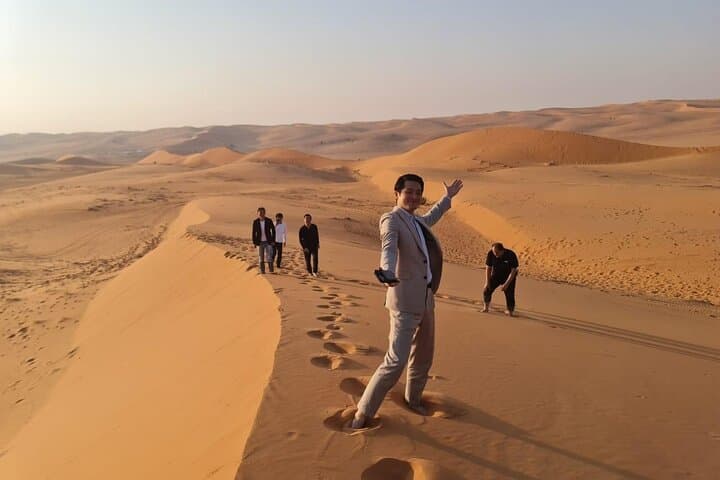
Expect a mixed pace: calm camel walking, short hikes on steep dune shoulders, and guided ATV runs on groomed tracks. The program typically lasts about four to five hours and finishes at a small desert resort or camp for photos and rest. Practical points matter: sun exposure and shifting sand amplify fatigue, so schedule rides for cooler morning or late‑afternoon light, carry extra water, and wear closed‑toe shoes with good traction. Guides give safety briefings for quads and camels; follow them closely.
This is a tactile landscape — sand that challenges your steps, wind that reshapes the world each day, and a horizon that rewards patience with long, clean light.
moderate.
4–5 hours.
Moderate fitness: able to mount camels, walk on steep sand slopes, and handle short periods of physical exertion.
This tour is not recommended for children under 18; physically demanding sections and ATV operation have age and fitness limitations.
No prior ATV experience is required — guides provide instruction and supervise rides; expect controlled routes rather than extreme free‑roaming.
Light, breathable clothing layered for cooler evenings, closed‑toe shoes, a hat, and sunglasses; avoid loose scarves that can catch sand in engines.
Full refund is typically available if you cancel at least 24 hours before the scheduled departure; confirm specifics at booking.
The area sits along historic Najd plateaus and routes where camels linked settlements; Bedouin travel patterns shaped local hospitality traditions.
Stick to guided tracks, pack out all trash, and avoid disturbing wildlife or archaeological features — desert soils and plants recover slowly.
Tour and Trip operates guided outdoor trips and adventures with an emphasis on safety, stewardship, and memorable experiences.
The air smells of hot metal and oud as the city falls away and a ribbon of golden dunes unfolds — a landscape that seems to move with its own slow pulse. You step from an air‑conditioned van onto sand that has been carved by wind into ridges, then climb a camel for a quiet, measured crossing; later, the engine note of an ATV ripples across the bowls of the dunes as you chase the light toward the horizon.
The air smells of hot metal and oud as the city falls away and a ribbon of golden dunes unfolds — a landscape that seems to move with its own slow pulse. You step from an air‑conditioned van onto sand that has been carved by wind into ridges, then climb a camel for a quiet, measured crossing; later, the engine note of an ATV ripples across the bowls of the dunes as you chase the light toward the horizon.
This stretch of desert east of Riyadh sits on the edge of the Najd and links to the Ad‑Dahna corridor, a geological seam of migrating sand formed by millennia of wind and sparse rains. Camels were the original transport here, part of caravan routes that connected settlements across Arabia; today those routes are remembered in camp hospitality and the steady gait of the animals. Bedouin culture still shapes desert etiquette — offer respect, accept tea, and leave no trace.
Expect a mixed pace: calm camel walking, short hikes on steep dune shoulders, and guided ATV runs on groomed tracks. The program typically lasts about four to five hours and finishes at a small desert resort or camp for photos and rest. Practical points matter: sun exposure and shifting sand amplify fatigue, so schedule rides for cooler morning or late‑afternoon light, carry extra water, and wear closed‑toe shoes with good traction. Guides give safety briefings for quads and camels; follow them closely.
This is a tactile landscape — sand that challenges your steps, wind that reshapes the world each day, and a horizon that rewards patience with long, clean light.