THE ADVENTURE COLLECTIVE® · Independent discovery and booking for outdoor travel

A full-day private drive from Paris that pairs Chenonceau’s river-spanning elegance with Chambord’s monumental Renaissance architecture. Expect long scenic drives, stone steps, and a lunch stop in Amboise.
A full-day private drive from Paris that pairs Chenonceau’s river-spanning elegance with Chambord’s monumental Renaissance architecture. Expect long scenic drives, stone steps, and a lunch stop in Amboise.
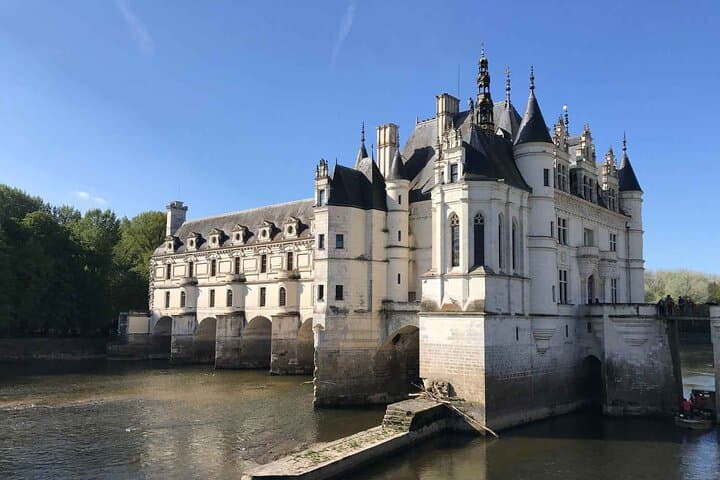
You leave Paris before sunrise, the city lights shrinking as the road unfurls toward the Loire. The morning drive passes flat fields and hedgerows, and when the Cher comes into view it cuts a cool, reflective line through the valley — the Château de Chenonceau sits on that river like an invitation, arches and galleries casting mirrored patterns in the water.
Verified experiences and guided adventures in the surrounding area.
Operated by Haveatour · Chenonceaux, Centre-Val de Loire
You leave Paris before sunrise, the city lights shrinking as the road unfurls toward the Loire. The morning drive passes flat fields and hedgerows, and when the Cher comes into view it cuts a cool, reflective line through the valley — the Château de Chenonceau sits on that river like an invitation, arches and galleries casting mirrored patterns in the water.
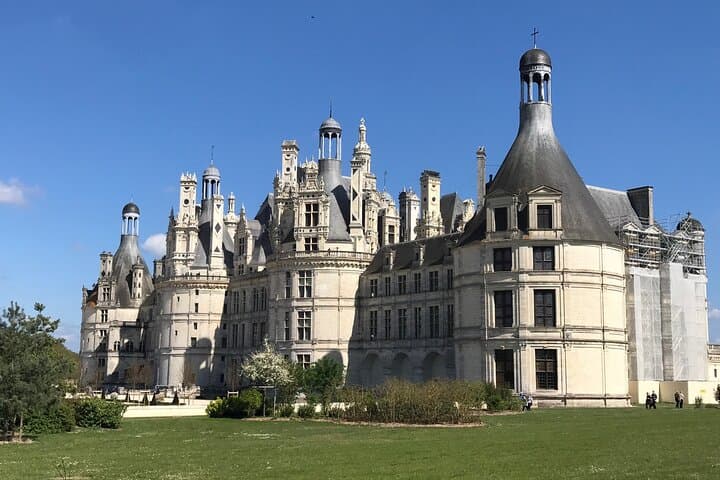
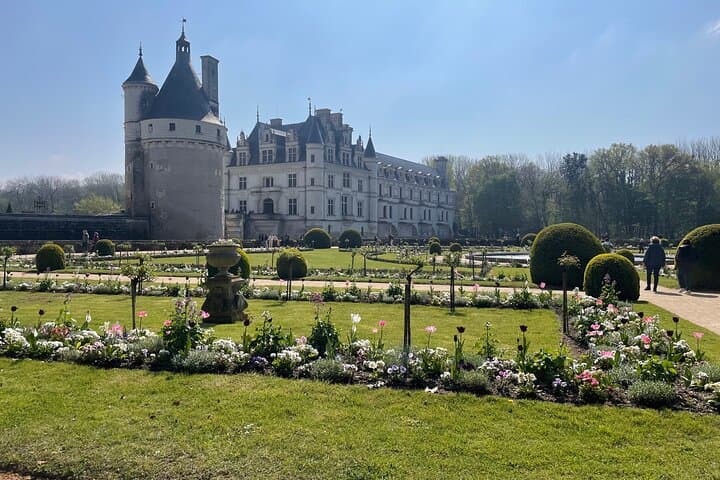
The Loire Valley earned UNESCO recognition for centuries of human and natural interaction: soft Jurassic limestone carved by slow rivers, broad floodplains, and soils that drew Renaissance patrons. In the 16th century, Italian artists and engineers — including followers of Leonardo da Vinci — helped shape the region’s leap in architecture. Chenonceau, the “ladies’ castle,” is defined by graceful arches over the Cher; Chambord, later and bolder, announces royal ambition with its double-helix stair and rooftop forest of chimneys.
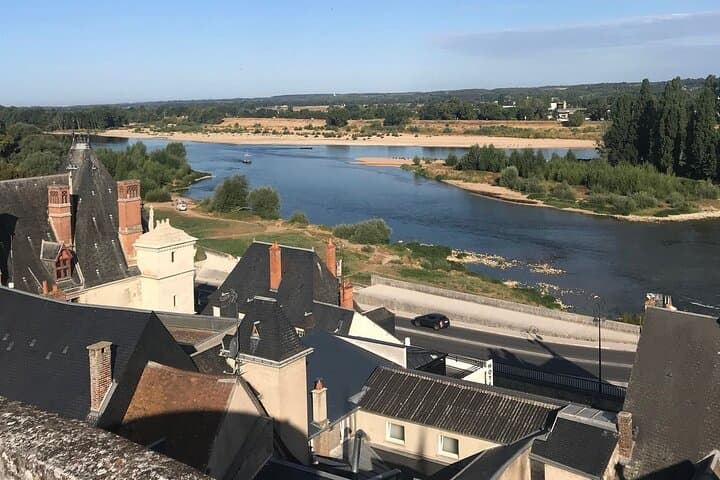
Culturally, the route threads small towns where market days and wine cellars still follow old rhythms; Amboise contains Leonardo’s final residence and a compact center for a lunch stop.
Practical guidance: this is a full-day private drive (about 12 hours including transit). Expect 1–2 hours of on-foot touring at each castle, many stone steps and uneven surfaces. Entrance fees are typically paid on-site (approx. €18–€19 per castle), and the tour’s transport is air-conditioned but check pick-up location and luggage limits. Bring comfortable walking shoes, a light waterproof, a refillable water bottle, and time for a relaxed lunch in Amboise. Travel early to avoid crowds and prioritize mobility for staircases and narrow gallery passages.
moderate.
12 hours.
Good general fitness for several hours of walking and climbing stairs; not strenuous but requires mobility for uneven ground.
No — the tour notes that château admissions are not included; expect to pay on-site (roughly €18–€19 per castle depending on exhibits).
Driving time is roughly 2–3 hours each way depending on traffic; total tour duration quoted is about 12 hours including stops.
Children can join; infant seats are available on request but be aware of long transit time and many stairs at the castles.
Both sites have areas with steep, narrow stone staircases and limited elevator access; contact the operator ahead to discuss accessibility options.
The Loire’s Renaissance surge came from royal patronage in the 16th century and the relocation of Italian artists; many châteaux were expanded from medieval keeps using local limestone.
The Loire Valley balances tourism and agriculture; visitors can reduce impact by staying on marked paths, using refillable bottles, and supporting local food producers.
Haveatour operates guided outdoor trips and adventures with an emphasis on safety, stewardship, and memorable experiences.
You leave Paris before sunrise, the city lights shrinking as the road unfurls toward the Loire. The morning drive passes flat fields and hedgerows, and when the Cher comes into view it cuts a cool, reflective line through the valley — the Château de Chenonceau sits on that river like an invitation, arches and galleries casting mirrored patterns in the water.
You leave Paris before sunrise, the city lights shrinking as the road unfurls toward the Loire. The morning drive passes flat fields and hedgerows, and when the Cher comes into view it cuts a cool, reflective line through the valley — the Château de Chenonceau sits on that river like an invitation, arches and galleries casting mirrored patterns in the water.
The Loire Valley earned UNESCO recognition for centuries of human and natural interaction: soft Jurassic limestone carved by slow rivers, broad floodplains, and soils that drew Renaissance patrons. In the 16th century, Italian artists and engineers — including followers of Leonardo da Vinci — helped shape the region’s leap in architecture. Chenonceau, the “ladies’ castle,” is defined by graceful arches over the Cher; Chambord, later and bolder, announces royal ambition with its double-helix stair and rooftop forest of chimneys.
Culturally, the route threads small towns where market days and wine cellars still follow old rhythms; Amboise contains Leonardo’s final residence and a compact center for a lunch stop.
Practical guidance: this is a full-day private drive (about 12 hours including transit). Expect 1–2 hours of on-foot touring at each castle, many stone steps and uneven surfaces. Entrance fees are typically paid on-site (approx. €18–€19 per castle), and the tour’s transport is air-conditioned but check pick-up location and luggage limits. Bring comfortable walking shoes, a light waterproof, a refillable water bottle, and time for a relaxed lunch in Amboise. Travel early to avoid crowds and prioritize mobility for staircases and narrow gallery passages.