THE ADVENTURE COLLECTIVE® · Independent discovery and booking for outdoor travel

Wade, swim, and scramble through Kourtaliotiko Gorge’s limestone walls to reach cold waterfall pools. This guided river trek blends short swims with hands-on route-finding—ideal for travellers comfortable in water and willing to trade dry trails for a wilder line.
Wade, swim, and scramble through Kourtaliotiko Gorge’s limestone walls to reach cold waterfall pools. This guided river trek blends short swims with hands-on route-finding—ideal for travellers comfortable in water and willing to trade dry trails for a wilder line.
The first steps into Kourtaliotiko Gorge put you in immediate dialogue with water: cold, clear flows that dare you forward under limestone cliffs. Sunlight slices between sheer walls, illuminating moss and stone as guides point out handholds and shallow pools. Sections of the route require short swims beneath the foaming Kourtaliotis Falls and steady footing across a mixed bed of pebbles and slab rock.
Verified experiences and guided adventures in the surrounding area.
Operated by Your Guide Crete · Plakias, Crete
The first steps into Kourtaliotiko Gorge put you in immediate dialogue with water: cold, clear flows that dare you forward under limestone cliffs. Sunlight slices between sheer walls, illuminating moss and stone as guides point out handholds and shallow pools. Sections of the route require short swims beneath the foaming Kourtaliotis Falls and steady footing across a mixed bed of pebbles and slab rock.
Geologically the gorge is carved from Mesozoic limestone, its cliffs scarred by millennia of flash floods. Historically the area sits within Crete’s southern coastlands, shaped by Venetian and Ottoman presence higher on the ridgelines and by generations of shepherds who used the gorge as a seasonal route. Culturally, the walk ties local knowledge—when to cross, where pools deepen—to a living rhythm of the island.
Expect three hours of river travel, alternating wading, scrambling, and brief swims. Guides provide helmets, waterproof bags, and lunch; waterproof footwear and a basic level of swimming comfort are essential. Timing matters: after heavy rain the river runs fast and guides may cancel; in summer water is brisk but manageable.
Practical tips: carry layered quick-dry clothing, secure a dry bag for electronics, and let your guide set the pace—this is route-finding as much as endurance. The experience rewards those who relish tactile terrain: cold water on skin, cliff shadows, and the steady click of pebbles underfoot.
moderate.
3 hours.
Moderate fitness; comfortable with repeated wading, short swims, and basic scrambling
Moderate fitness is sufficient—participants will wade, scramble over rocks, and swim short distances; prolonged hiking endurance is not required.
Yes—there are short swims and deep pools; basic swimming ability and comfort in cold water are necessary.
Organizers often cancel for safety when the river is in spate; check weather forecasts and the operator’s 24-hour cancellation policy.
Policies vary; most operators limit participation by age and require parental consent—declare ages at booking and follow guide recommendations.
The gorge sits on routes used for centuries by shepherds and villagers; nearby ridgelines bear traces of Venetian paths and terraced agriculture.
This river ecosystem is sensitive—stick to routes, avoid soaps or sunscreen in pools, and pack out all waste to protect aquatic life.
Your Guide Crete operates guided outdoor trips and adventures with an emphasis on safety, stewardship, and memorable experiences.
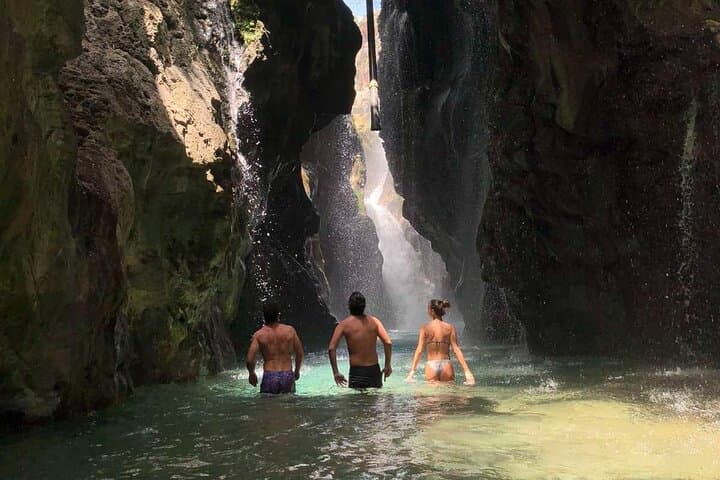


The first steps into Kourtaliotiko Gorge put you in immediate dialogue with water: cold, clear flows that dare you forward under limestone cliffs. Sunlight slices between sheer walls, illuminating moss and stone as guides point out handholds and shallow pools. Sections of the route require short swims beneath the foaming Kourtaliotis Falls and steady footing across a mixed bed of pebbles and slab rock.
The first steps into Kourtaliotiko Gorge put you in immediate dialogue with water: cold, clear flows that dare you forward under limestone cliffs. Sunlight slices between sheer walls, illuminating moss and stone as guides point out handholds and shallow pools. Sections of the route require short swims beneath the foaming Kourtaliotis Falls and steady footing across a mixed bed of pebbles and slab rock.
Geologically the gorge is carved from Mesozoic limestone, its cliffs scarred by millennia of flash floods. Historically the area sits within Crete’s southern coastlands, shaped by Venetian and Ottoman presence higher on the ridgelines and by generations of shepherds who used the gorge as a seasonal route. Culturally, the walk ties local knowledge—when to cross, where pools deepen—to a living rhythm of the island.
Expect three hours of river travel, alternating wading, scrambling, and brief swims. Guides provide helmets, waterproof bags, and lunch; waterproof footwear and a basic level of swimming comfort are essential. Timing matters: after heavy rain the river runs fast and guides may cancel; in summer water is brisk but manageable.
Practical tips: carry layered quick-dry clothing, secure a dry bag for electronics, and let your guide set the pace—this is route-finding as much as endurance. The experience rewards those who relish tactile terrain: cold water on skin, cliff shadows, and the steady click of pebbles underfoot.