THE ADVENTURE COLLECTIVE® · Independent discovery and booking for outdoor travel

Ride quiet electric bikes from Mooloolaba Wharf to Cotton Tree, guided by a marine biologist who explains river ecology, local history and coastal geology. This easy 2–2.5 hour tour mixes paved promenades, headland vistas and estuary stops ideal for first-time e-bikers.
Ride quiet electric bikes from Mooloolaba Wharf to Cotton Tree, guided by a marine biologist who explains river ecology, local history and coastal geology. This easy 2–2.5 hour tour mixes paved promenades, headland vistas and estuary stops ideal for first-time e-bikers.
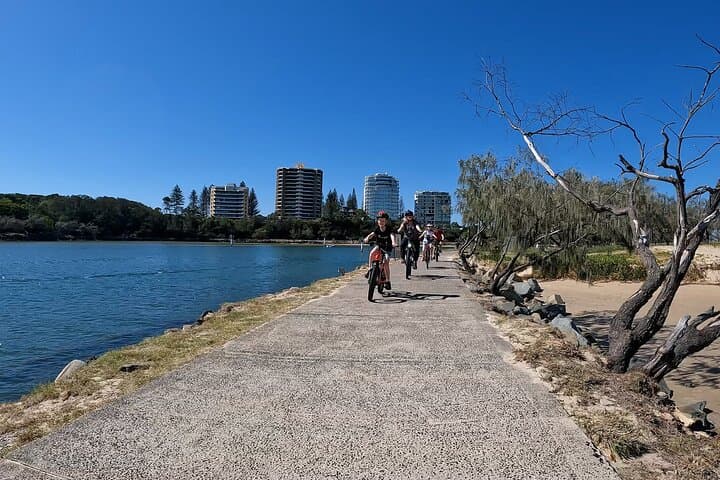
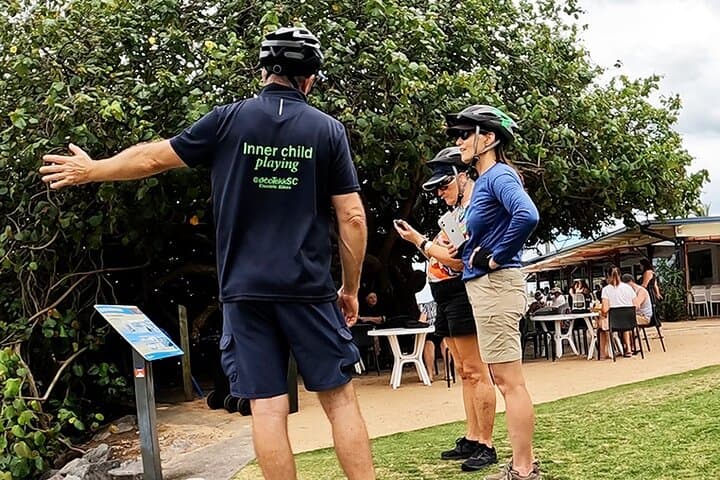
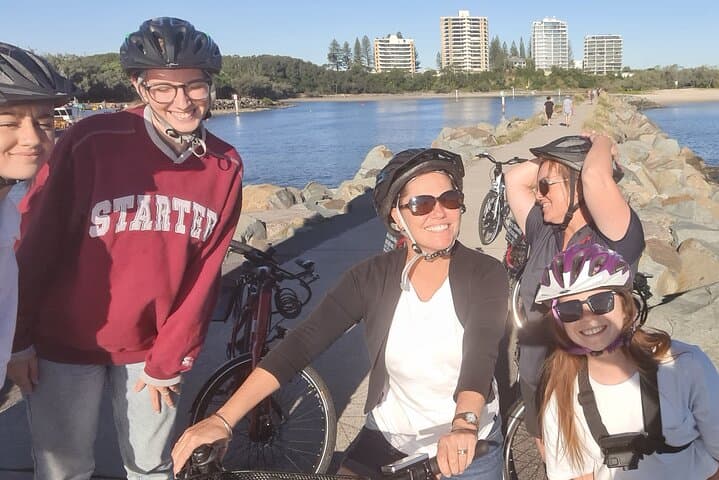
Salted wind pushes across the spit as riders mount quiet electric bikes at The Wharf in Mooloolaba. The route runs like a coastal stitch: concrete promenades, a rock groyne that breaks the surf, and a headland lookout shaped like a ship’s bow where the sea opens into horizon. A marine biologist guides the group, pointing out estuary channels, rock-wall habitats and the scars of past timber trade while dolphins arc offshore.
Verified experiences and guided adventures in the surrounding area.
Operated by ecoTekk Electric Bikes Sunshine Coast · Mooloolaba, Queensland
Salted wind pushes across the spit as riders mount quiet electric bikes at The Wharf in Mooloolaba. The route runs like a coastal stitch: concrete promenades, a rock groyne that breaks the surf, and a headland lookout shaped like a ship’s bow where the sea opens into horizon. A marine biologist guides the group, pointing out estuary channels, rock-wall habitats and the scars of past timber trade while dolphins arc offshore.
This corridor sits where the Mooloolah and Maroochy rivers meet the Pacific. Gubbi Gubbi/Kabi Kabi country for more than 20,000 years, the rivers were lifelines for hunting, fishing and travel; European timber cutters later used those same waterways to move red cedar and beech to market. Geologically the coast is young—sandy spits, estuarine mudflats and offshore reefs shaped by longshore drift and seasonal river flows.
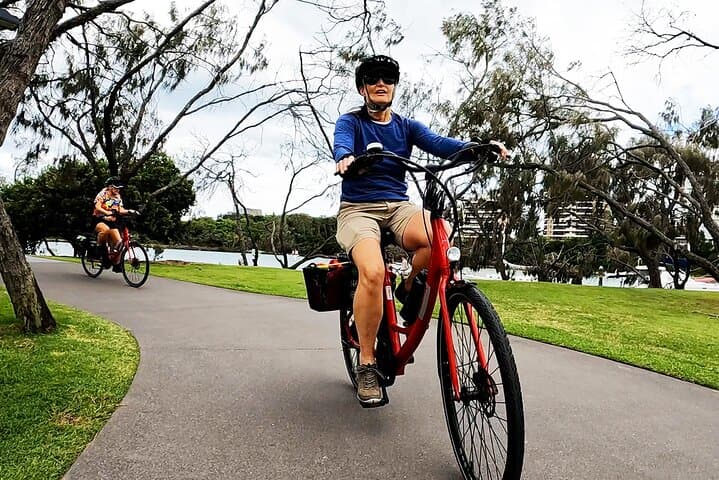
Expect easy, mostly flat riding on paved paths with short stops at Mooloolaba Spit rock wall, HMAS Brisbane Lookout at Alexandra Headland, and Cotton Tree Pier on the Maroochy. The guide layers natural history with local stories, pointing out seabird roosts and the dynamic river mouths that keep the coastline changing.
Practical notes: total time is about 2–2.5 hours; helmets and e-bikes are provided. Bring sun protection, a refillable water bottle, and closed-toe shoes. Morning departures are cooler and quieter; summer brings high UV and occasional marine stingers so plan accordingly. Riders must be able to balance a bike; no advanced cycling skills required.
easy.
2–2.5 hours.
Basic fitness and ability to ride a bicycle for a couple of hours; light standing and short walk-ups at lookouts possible.
No—this is an entry-level ride; guides will show basic e-bike controls and keep a pace suitable for novices.
Yes—safety helmets and electric bicycles are included in the tour price and fitted before departure.
Specialized child seats, trailers or tag-along options may be available; contact the operator in advance to arrange and confirm age/size limits.
Tours are cancellable for full refund if canceled at least 24 hours prior or if weather makes the route unsafe; check with the operator for same-day decisions.
The Mooloolaba–Maroochy corridor was Gubbi Gubbi/Kabi Kabi country and later a timber transport route in the 19th century; the rock groyne (1960s) reshaped the river mouth for navigation.
Estuary habitats are sensitive to trampling and dog disturbance—stay on paved paths, avoid feeding wildlife, and use refillable water containers to reduce plastic waste.
ecoTekk Electric Bikes Sunshine Coast operates guided outdoor trips and adventures with an emphasis on safety, stewardship, and memorable experiences.
Salted wind pushes across the spit as riders mount quiet electric bikes at The Wharf in Mooloolaba. The route runs like a coastal stitch: concrete promenades, a rock groyne that breaks the surf, and a headland lookout shaped like a ship’s bow where the sea opens into horizon. A marine biologist guides the group, pointing out estuary channels, rock-wall habitats and the scars of past timber trade while dolphins arc offshore.
Salted wind pushes across the spit as riders mount quiet electric bikes at The Wharf in Mooloolaba. The route runs like a coastal stitch: concrete promenades, a rock groyne that breaks the surf, and a headland lookout shaped like a ship’s bow where the sea opens into horizon. A marine biologist guides the group, pointing out estuary channels, rock-wall habitats and the scars of past timber trade while dolphins arc offshore.
This corridor sits where the Mooloolah and Maroochy rivers meet the Pacific. Gubbi Gubbi/Kabi Kabi country for more than 20,000 years, the rivers were lifelines for hunting, fishing and travel; European timber cutters later used those same waterways to move red cedar and beech to market. Geologically the coast is young—sandy spits, estuarine mudflats and offshore reefs shaped by longshore drift and seasonal river flows.
Expect easy, mostly flat riding on paved paths with short stops at Mooloolaba Spit rock wall, HMAS Brisbane Lookout at Alexandra Headland, and Cotton Tree Pier on the Maroochy. The guide layers natural history with local stories, pointing out seabird roosts and the dynamic river mouths that keep the coastline changing.
Practical notes: total time is about 2–2.5 hours; helmets and e-bikes are provided. Bring sun protection, a refillable water bottle, and closed-toe shoes. Morning departures are cooler and quieter; summer brings high UV and occasional marine stingers so plan accordingly. Riders must be able to balance a bike; no advanced cycling skills required.