THE ADVENTURE COLLECTIVE® · Independent discovery and booking for outdoor travel

Escape the crowds to Ritigala’s mist-shrouded monastery ruins—an intimate half-day nature walk through ancient stonework, cool microclimates, and endemic forest. This guided tour blends history, birdlife and practical trail tips for a tranquil off-the-beaten-path experience.
Escape the crowds to Ritigala’s mist-shrouded monastery ruins—an intimate half-day nature walk through ancient stonework, cool microclimates, and endemic forest. This guided tour blends history, birdlife and practical trail tips for a tranquil off-the-beaten-path experience.
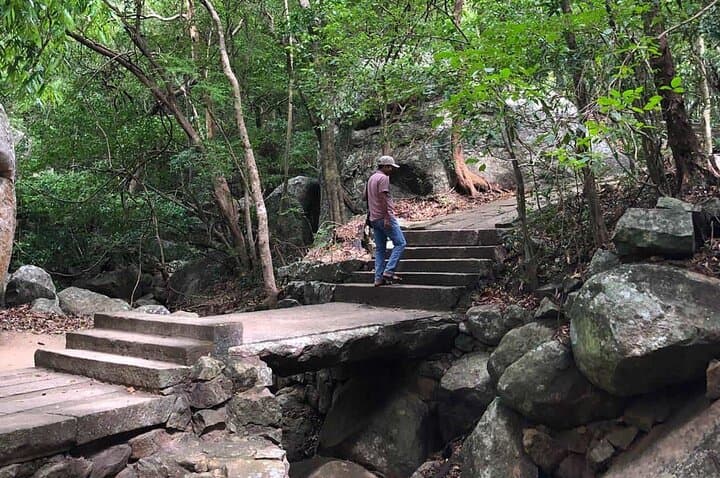
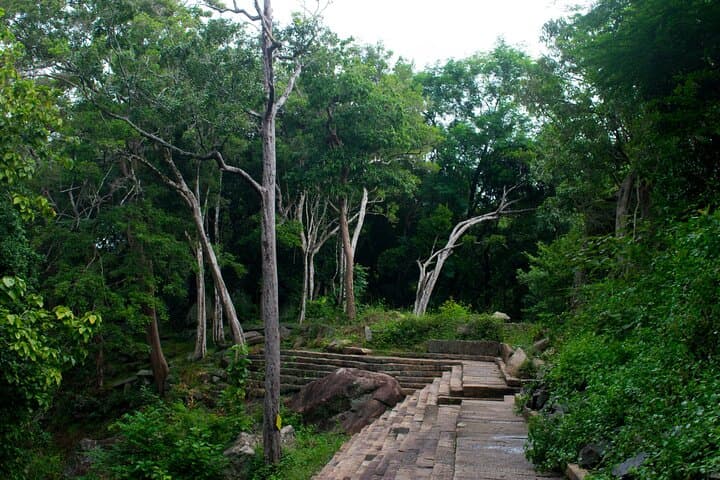
You step off the air-conditioned vehicle and the air cools—pale mist clings to the slopes and leaves drip like slow bells. The path immediately narrows: stone slabs, tree roots, and a hush that presses conversations into whispers. Ritigala feels older than the maps that mark it; moss-soft ruins and meditation platforms peer from ferns as if the forest has been slowly reclaiming its monastery for centuries.
Verified experiences and guided adventures in the surrounding area.
Operated by Classical Lanka Tours · Habarana, North Central Province
You step off the air-conditioned vehicle and the air cools—pale mist clings to the slopes and leaves drip like slow bells. The path immediately narrows: stone slabs, tree roots, and a hush that presses conversations into whispers. Ritigala feels older than the maps that mark it; moss-soft ruins and meditation platforms peer from ferns as if the forest has been slowly reclaiming its monastery for centuries.
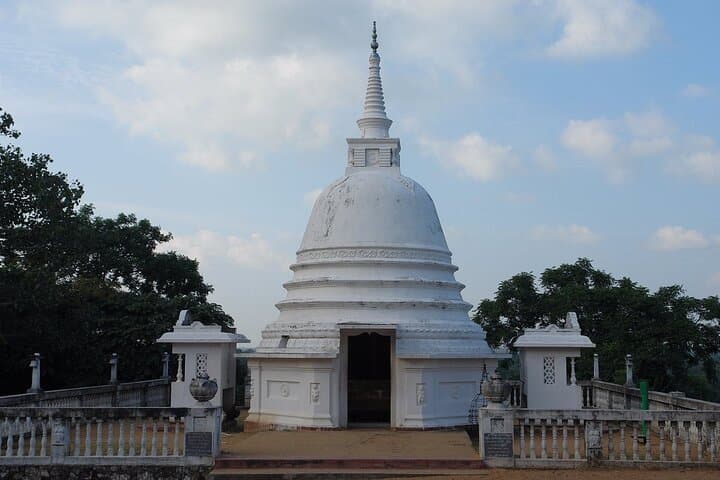
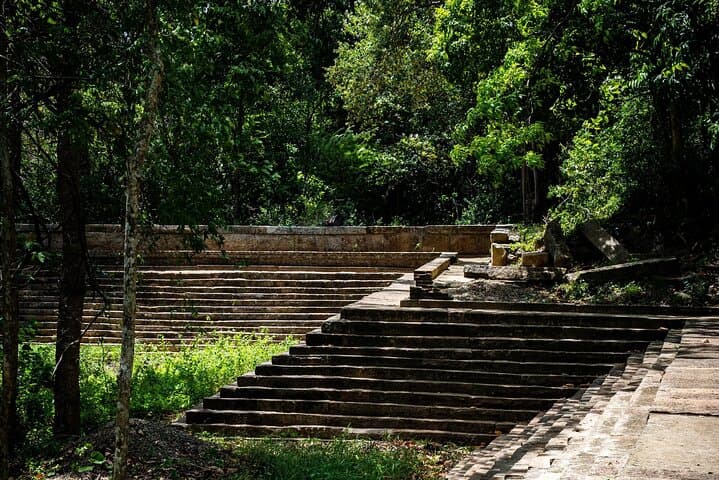
The site dates back over 2,000 years and was a retreat for forest-dwelling Buddhist ascetics. Geologically, Ritigala is a granite outcrop rising from the North Central plains, creating a distinct microclimate and supporting endemic flora used in traditional medicine. Culturally, the complex offers insight into Sri Lanka’s monastic traditions—stone reservoirs, carved steps and scattered brick foundations speak to a disciplined, contemplative life.
On a guided walk you’ll trace stone pathways to reservoirs and terraces, listen for bulbuls and bushes rustling with endemic species, and learn local legends that link the mountain to ancient chronicles. Photography favors soft, diffused light; conservation-minded hikers will notice signage and trails designed to limit erosion.
Practical guidance: allow 5–6 hours for transit and a paced exploration; wear grippy shoes for steep, sometimes slippery rock; bring at least 2 liters of water, insect repellent, and a light rain layer during monsoon months. Respect sacred areas and avoid stepping on ruins—these are archaeological remains within a strict nature reserve. The reward is a rare blend of wilderness and history: quiet stonework, cool shade and a real sense of stepping back into a living past.
moderate.
5–6 hours.
Moderate fitness—comfortable on uneven ground and short steep sections; able to walk 6–8 km over varied terrain.
Yes—this tour includes entry to the Ritigala Forest Monastery within the reserve as noted in the itinerary.
The route is moderate: uneven stone steps and short steep stretches require sure-footedness but no technical climbing.
Facilities are basic and limited near the reserve—use amenities in Habarana before departure where possible.
Families can attend, but older visitors or young children should be prepared for uneven terrain and longer transfers; notify the operator about mobility concerns.
Ritigala’s monastery complex served forest-dwelling monks for over two millennia; archaeological remains show advanced water management and monastic planning.
Ritigala is a Strict Nature Reserve—stay on trails, avoid disturbing flora and fauna, and follow guide instructions to minimize erosion and cultural impact.
Classical Lanka Tours operates guided outdoor trips and adventures with an emphasis on safety, stewardship, and memorable experiences.
You step off the air-conditioned vehicle and the air cools—pale mist clings to the slopes and leaves drip like slow bells. The path immediately narrows: stone slabs, tree roots, and a hush that presses conversations into whispers. Ritigala feels older than the maps that mark it; moss-soft ruins and meditation platforms peer from ferns as if the forest has been slowly reclaiming its monastery for centuries.
You step off the air-conditioned vehicle and the air cools—pale mist clings to the slopes and leaves drip like slow bells. The path immediately narrows: stone slabs, tree roots, and a hush that presses conversations into whispers. Ritigala feels older than the maps that mark it; moss-soft ruins and meditation platforms peer from ferns as if the forest has been slowly reclaiming its monastery for centuries.
The site dates back over 2,000 years and was a retreat for forest-dwelling Buddhist ascetics. Geologically, Ritigala is a granite outcrop rising from the North Central plains, creating a distinct microclimate and supporting endemic flora used in traditional medicine. Culturally, the complex offers insight into Sri Lanka’s monastic traditions—stone reservoirs, carved steps and scattered brick foundations speak to a disciplined, contemplative life.
On a guided walk you’ll trace stone pathways to reservoirs and terraces, listen for bulbuls and bushes rustling with endemic species, and learn local legends that link the mountain to ancient chronicles. Photography favors soft, diffused light; conservation-minded hikers will notice signage and trails designed to limit erosion.
Practical guidance: allow 5–6 hours for transit and a paced exploration; wear grippy shoes for steep, sometimes slippery rock; bring at least 2 liters of water, insect repellent, and a light rain layer during monsoon months. Respect sacred areas and avoid stepping on ruins—these are archaeological remains within a strict nature reserve. The reward is a rare blend of wilderness and history: quiet stonework, cool shade and a real sense of stepping back into a living past.