THE ADVENTURE COLLECTIVE® · Independent discovery and booking for outdoor travel

Drive the Ganges corridor from Delhi to Rishikesh, then climb into the Garhwal Himalaya to Barkot and Yamunotri. This five-day pilgrimage balances cultural rites, short mountain treks and village homestays for a compact Himalayan experience.
Drive the Ganges corridor from Delhi to Rishikesh, then climb into the Garhwal Himalaya to Barkot and Yamunotri. This five-day pilgrimage balances cultural rites, short mountain treks and village homestays for a compact Himalayan experience.
Morning light slants across the Ganges as your minivan peels away from Delhi, the city shrinking behind you and the Himalaya rising ahead. In Rishikesh, saffron-clad priests gather for the Ganga aarti, lamps bobbing where the river dares you to look away; later the road climbs through terraced fields to Barkot, a compact village that becomes basecamp for the Yamunotri trek.
Verified experiences and guided adventures in the surrounding area.
Operated by SITA World Tours · Barkot, Uttarakhand
Morning light slants across the Ganges as your minivan peels away from Delhi, the city shrinking behind you and the Himalaya rising ahead. In Rishikesh, saffron-clad priests gather for the Ganga aarti, lamps bobbing where the river dares you to look away; later the road climbs through terraced fields to Barkot, a compact village that becomes basecamp for the Yamunotri trek.
The Garhwal Himalaya here are geologically young: folded sedimentary and metamorphic rocks thrust up by the Indian plate, creased into ridgelines and narrow valleys. Rishikesh is a living cultural junction—ashrams, pilgrimage routes and British-era travel lore intersect with local temple rites. Lakhamandal’s 12th-century Shiva shrine frames the region’s medieval devotional history while Barkot’s homestays offer a plain but welcoming glimpse of Himalayan village life.
Expect a mix of driving days, short hikes and a key 3-mile trek from Kharsali to Yamunotri at roughly 1,200 m elevation gain overall from Barkot. Trails are rocky, sometimes muddy outside peak season, with hot springs near Yamunotri and sudden high-altitude sun. Plan for early starts to avoid afternoon clouds, carry water and layered clothing, and respect temple dress codes—no shorts or sleeveless tops.
This trip suits travelers with moderate fitness who want a compact pilgrimage and mountain exposure without technical climbing. Footwear with firm tread, sun protection and a light rain shell will keep you moving comfortably. Timing your visit outside the monsoon ensures clearer views and safer trails. Local guides can arrange homestays, permit help and timely route updates for safer travel.
moderate.
5 days.
Moderate cardio fitness; comfortable with daily drives and several hours of walking on uneven trails
The trek from Kharsali to Yamunotri is about 3 miles one-way with steep sections and rocky footing—suitable for hikers with moderate fitness; not technical.
Avoid the monsoon (July–September). Spring (March–May) and fall (September–November) offer the most stable conditions and clear views.
Local access rules vary; permits are typically managed locally and guides or homestays can advise and assist with any required permissions.
Accommodation is homestay-style with vegetarian meals; expect basic comforts, warm hospitality and limited modern amenities in Barkot.
The Garhwal region has a long devotional history; Rishikesh grew as a pilgrimage hub and later attracted international visitors during the 20th century.
This fragile alpine environment is sensitive to waste and water use; follow leave-no-trace principles and use local services that practice waste management.
SITA World Tours operates guided outdoor trips and adventures with an emphasis on safety, stewardship, and memorable experiences.
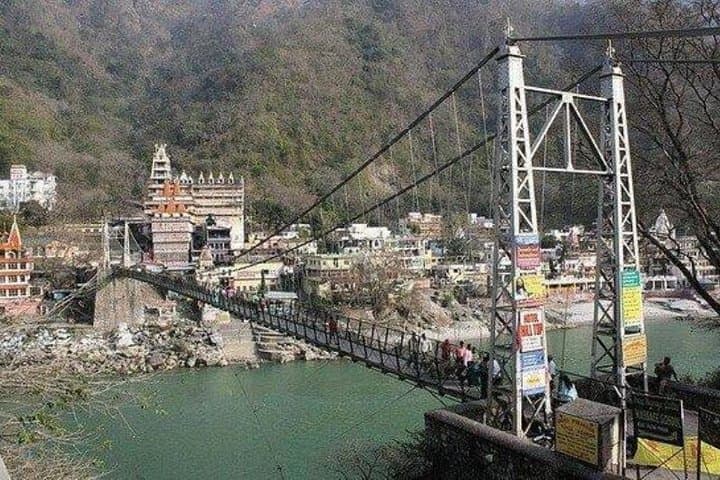
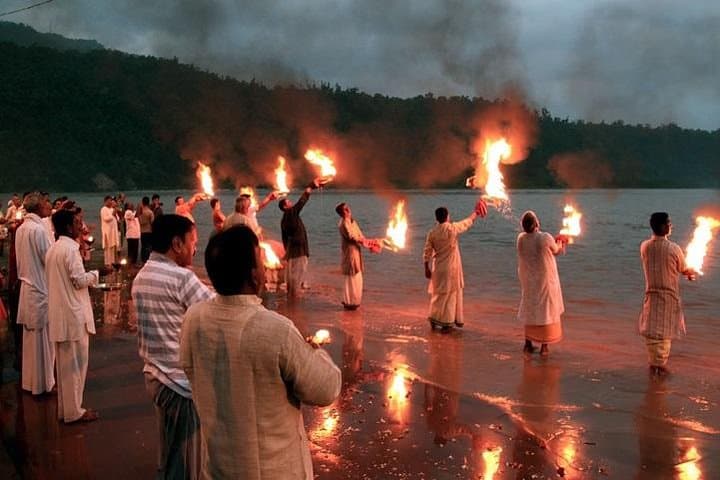
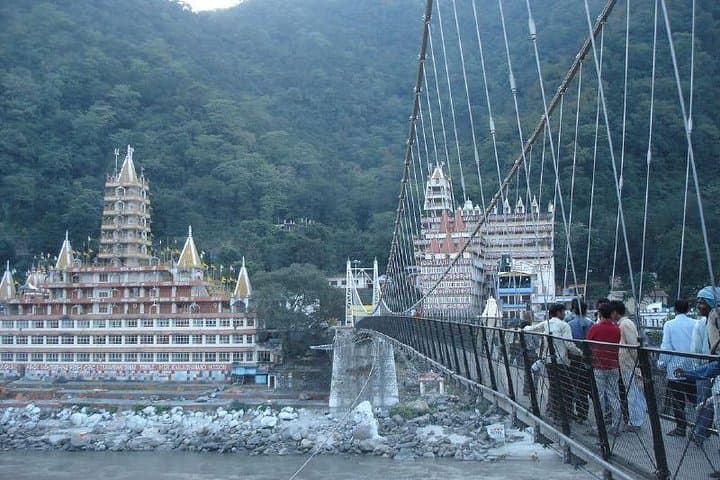
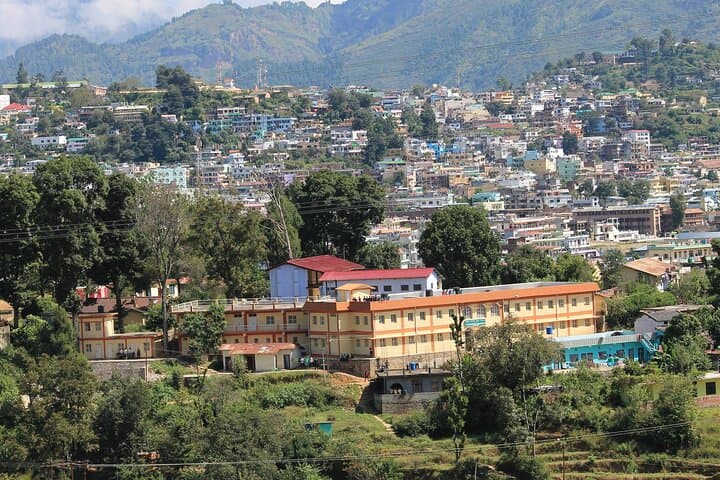
Morning light slants across the Ganges as your minivan peels away from Delhi, the city shrinking behind you and the Himalaya rising ahead. In Rishikesh, saffron-clad priests gather for the Ganga aarti, lamps bobbing where the river dares you to look away; later the road climbs through terraced fields to Barkot, a compact village that becomes basecamp for the Yamunotri trek.
Morning light slants across the Ganges as your minivan peels away from Delhi, the city shrinking behind you and the Himalaya rising ahead. In Rishikesh, saffron-clad priests gather for the Ganga aarti, lamps bobbing where the river dares you to look away; later the road climbs through terraced fields to Barkot, a compact village that becomes basecamp for the Yamunotri trek.
The Garhwal Himalaya here are geologically young: folded sedimentary and metamorphic rocks thrust up by the Indian plate, creased into ridgelines and narrow valleys. Rishikesh is a living cultural junction—ashrams, pilgrimage routes and British-era travel lore intersect with local temple rites. Lakhamandal’s 12th-century Shiva shrine frames the region’s medieval devotional history while Barkot’s homestays offer a plain but welcoming glimpse of Himalayan village life.
Expect a mix of driving days, short hikes and a key 3-mile trek from Kharsali to Yamunotri at roughly 1,200 m elevation gain overall from Barkot. Trails are rocky, sometimes muddy outside peak season, with hot springs near Yamunotri and sudden high-altitude sun. Plan for early starts to avoid afternoon clouds, carry water and layered clothing, and respect temple dress codes—no shorts or sleeveless tops.
This trip suits travelers with moderate fitness who want a compact pilgrimage and mountain exposure without technical climbing. Footwear with firm tread, sun protection and a light rain shell will keep you moving comfortably. Timing your visit outside the monsoon ensures clearer views and safer trails. Local guides can arrange homestays, permit help and timely route updates for safer travel.