THE ADVENTURE COLLECTIVE® · Independent discovery and booking for outdoor travel

Trace the Ganges from Rishikesh’s riverfront rituals to Mussoorie’s hilltop views on this five-day foothills circuit. Expect riverside ghats, short forest climbs, colonial viewpoints and local adventure options like rafting and bungee.
Trace the Ganges from Rishikesh’s riverfront rituals to Mussoorie’s hilltop views on this five-day foothills circuit. Expect riverside ghats, short forest climbs, colonial viewpoints and local adventure options like rafting and bungee.
The Ganges arrives cool and fast at Rishikesh, threading between steep green banks and the chatter of pilgrims and rafters. Walk across Lakshman Jhula and the river fills the frame — a living corridor of prayer flags, shophouses and the occasional trekking boot. By evening the town hums down to a quieter pitch; the next morning brings mountain air as you drive up to Mussoorie and the landscape tightens into firs and hairpin turns.
Verified experiences and guided adventures in the surrounding area.
Operated by Travel Component · Rishikesh, Uttarakhand
The Ganges arrives cool and fast at Rishikesh, threading between steep green banks and the chatter of pilgrims and rafters. Walk across Lakshman Jhula and the river fills the frame — a living corridor of prayer flags, shophouses and the occasional trekking boot. By evening the town hums down to a quieter pitch; the next morning brings mountain air as you drive up to Mussoorie and the landscape tightens into firs and hairpin turns.
This itinerary tracks a classic Uttarakhand arc: a river town that functions as both pilgrimage gateway and adventure base, then a hill station born of colonial-era tourism. Geologically you move from the alluvial plains and river terraces of the Ganges up into Lesser Himalaya foothills — expect steep, often paved roads and short trails that rise several hundred metres in a day. Culturally the route mixes temple visits (Neelkanth Mahadev, Triveni Ghat), riverside rituals, and British-era promenades and viewpoints (Lal Tibba, Gun Hill) in Mussoorie.
Practical guidance: the full loop runs about five days — roughly a 5–6 hour drive (~250 km) from Delhi to Rishikesh, then 2–3 hours to Mussoorie. Expect elevation from ~350 m in Rishikesh to ~2,000 m at Mussoorie (plan for ~1,600 m ascent overall), with variable temperatures: hot and humid by the river, cool and breezy on the ridge. Comfortable walking shoes, layered clothing for mornings and evenings, and a reusable water bottle will make sightseeing and short hikes easier. Adventure options such as rafting and bungee are available around Shivpuri but are typically booked locally; bring photocopies of ID for temple visits, keep plastic use low around ghats, and time road travel outside monsoon months for the clearest views.
moderate.
5 days.
Suitable for travelers in average fitness — able to walk short hills and tolerate multi-hour drives; phone a doctor if you have serious cardiac or spinal conditions.
The itinerary lists popular activity areas (Shivpuri) but adventure activities are typically booked and paid for locally; check with your operator if you want them pre-arranged.
October–November and February–April offer clear skies and comfortable temperatures; monsoon (June–September) brings heavy rain and landslide risk on mountain roads.
Mussoorie sits around 2,000 m; most travelers tolerate the ascent well but expect mild breathlessness on steep walks — acclimatize by taking it easy the first day uphill.
Yes — dress modestly (shoulders and knees covered), remove shoes at temple entrances, and follow local customs at ghats during prayers.
Rishikesh has long been a Hindu pilgrimage gateway and became an adventure hub in the 20th century; Mussoorie grew as a British-era hill station and still shows colonial-era buildings and promenades.
The Ganges and surrounding forests are under active conservation programs; visitors should avoid plastic at ghats, follow local waste rules and choose licensed adventure operators to reduce environmental impact.
Travel Component operates guided outdoor trips and adventures with an emphasis on safety, stewardship, and memorable experiences.
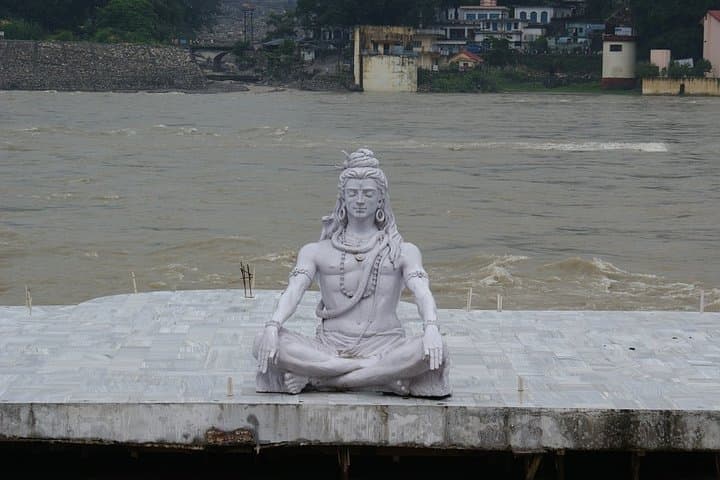
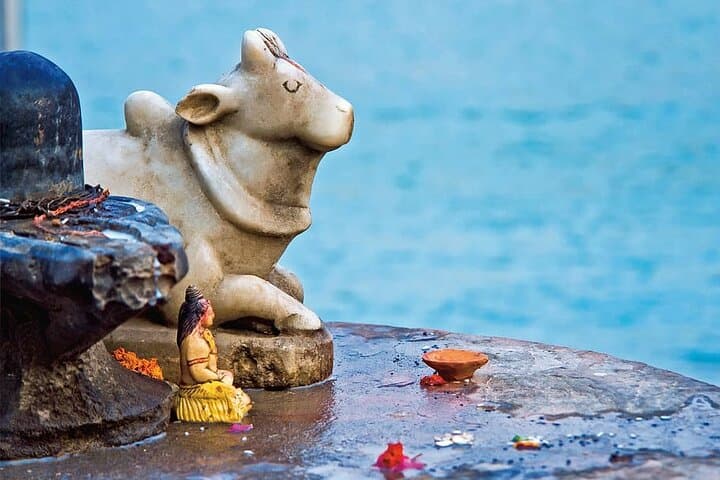
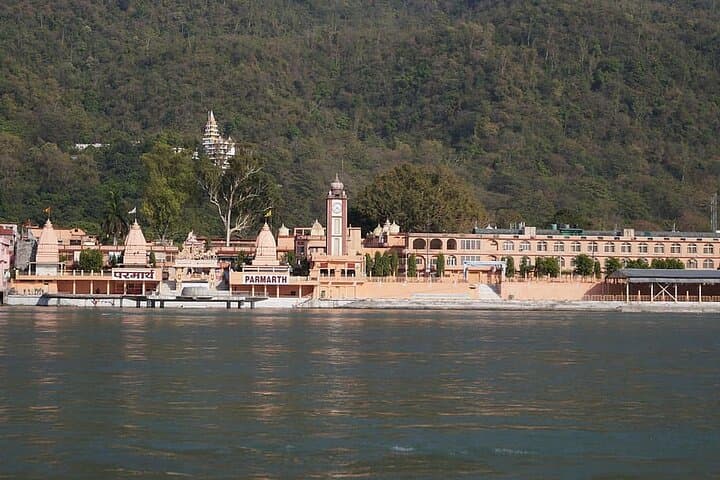
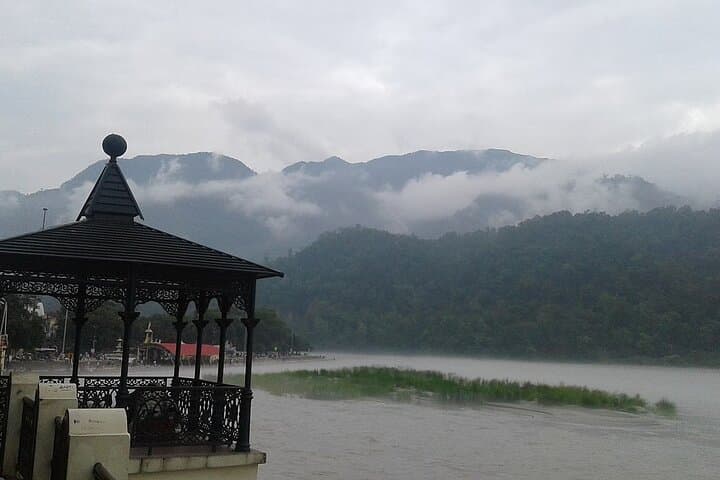
The Ganges arrives cool and fast at Rishikesh, threading between steep green banks and the chatter of pilgrims and rafters. Walk across Lakshman Jhula and the river fills the frame — a living corridor of prayer flags, shophouses and the occasional trekking boot. By evening the town hums down to a quieter pitch; the next morning brings mountain air as you drive up to Mussoorie and the landscape tightens into firs and hairpin turns.
The Ganges arrives cool and fast at Rishikesh, threading between steep green banks and the chatter of pilgrims and rafters. Walk across Lakshman Jhula and the river fills the frame — a living corridor of prayer flags, shophouses and the occasional trekking boot. By evening the town hums down to a quieter pitch; the next morning brings mountain air as you drive up to Mussoorie and the landscape tightens into firs and hairpin turns.
This itinerary tracks a classic Uttarakhand arc: a river town that functions as both pilgrimage gateway and adventure base, then a hill station born of colonial-era tourism. Geologically you move from the alluvial plains and river terraces of the Ganges up into Lesser Himalaya foothills — expect steep, often paved roads and short trails that rise several hundred metres in a day. Culturally the route mixes temple visits (Neelkanth Mahadev, Triveni Ghat), riverside rituals, and British-era promenades and viewpoints (Lal Tibba, Gun Hill) in Mussoorie.
Practical guidance: the full loop runs about five days — roughly a 5–6 hour drive (~250 km) from Delhi to Rishikesh, then 2–3 hours to Mussoorie. Expect elevation from ~350 m in Rishikesh to ~2,000 m at Mussoorie (plan for ~1,600 m ascent overall), with variable temperatures: hot and humid by the river, cool and breezy on the ridge. Comfortable walking shoes, layered clothing for mornings and evenings, and a reusable water bottle will make sightseeing and short hikes easier. Adventure options such as rafting and bungee are available around Shivpuri but are typically booked locally; bring photocopies of ID for temple visits, keep plastic use low around ghats, and time road travel outside monsoon months for the clearest views.