THE ADVENTURE COLLECTIVE® · Independent discovery and booking for outdoor travel

Explore Rishikesh on two wheels: ride past Lakshman Jhula and Ram Jhula, visit Beatles Ashram, cool off at Neer Waterfall, and finish at the Ganga Aarti. This full-day scooter tour mixes culture, short treks, and riverside views with practical, traffic-savvy guidance.
Explore Rishikesh on two wheels: ride past Lakshman Jhula and Ram Jhula, visit Beatles Ashram, cool off at Neer Waterfall, and finish at the Ganga Aarti. This full-day scooter tour mixes culture, short treks, and riverside views with practical, traffic-savvy guidance.
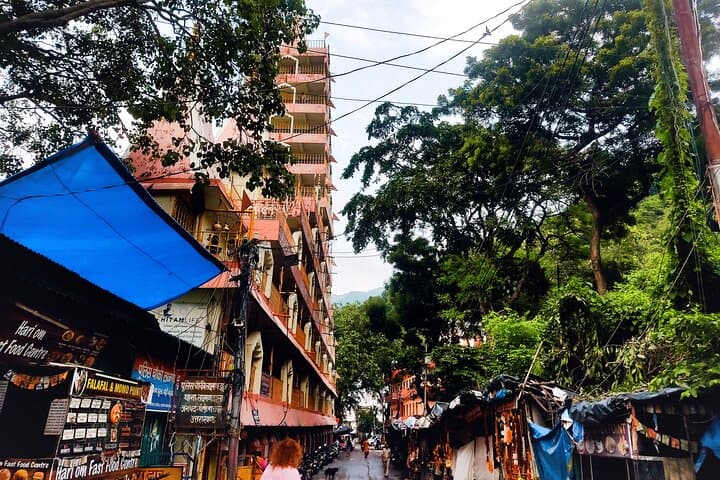
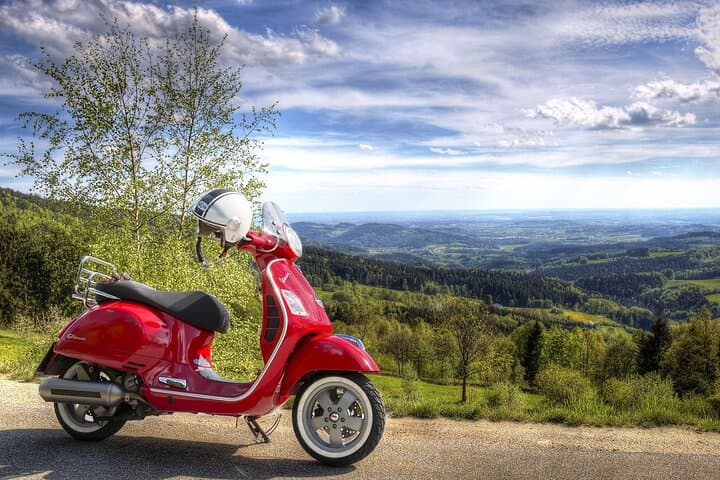
The scooter hums to life and the Ganga slides by, daring you to slow down. You thread through morning markets, skim riverbanks beneath suspension bridges, and crest low foothill ridges where the air smells of incense and wet stone. This is Rishikesh by scooter: close, immediate, and paced by small stops—tea stalls, ghats, and ruined meditation huts.
Verified experiences and guided adventures in the surrounding area.
Operated by Tourify Uttarakhand · Rishikesh, Uttarakhand
The scooter hums to life and the Ganga slides by, daring you to slow down. You thread through morning markets, skim riverbanks beneath suspension bridges, and crest low foothill ridges where the air smells of incense and wet stone. This is Rishikesh by scooter: close, immediate, and paced by small stops—tea stalls, ghats, and ruined meditation huts.
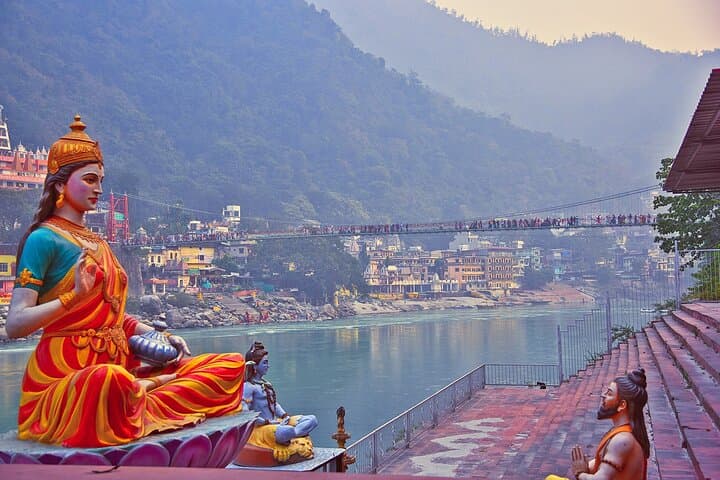
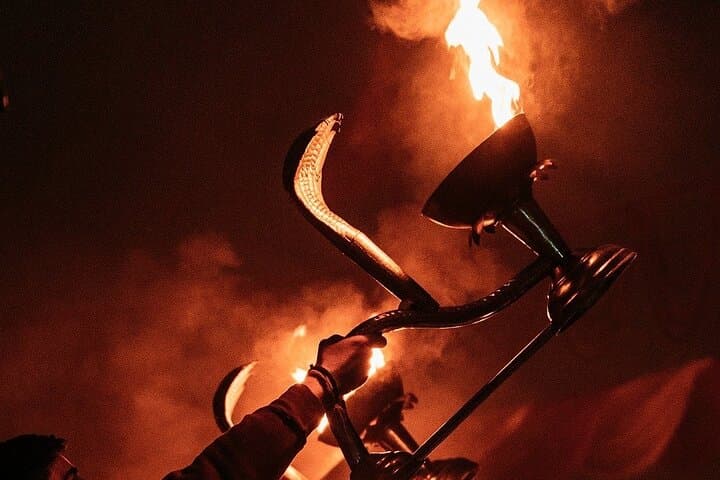
Rishikesh sits at the edge of the lower Himalaya where soft alluvial plains meet steep, forested streams; the town’s cultural map is written in ashrams, temples, and the graffiti-marked ruins of the Beatles Ashram where 1960s seekers met Transcendental Meditation. Ram Jhula and Lakshman Jhula span the Ganges and mark centuries of pilgrimage and trade; the Ganga Aarti at Triveni Ghat is both ritual and local theatre, best seen from the riverbank at dusk.
Practical guidance: expect mostly paved roads with narrow lanes and mixed traffic—cars, motorbikes, cows and pedestrians. A full-day route covers roughly 40–60 km with modest elevation changes from Rishikesh’s ~340 m as you skirt foothill roads to Neer Waterfall and back. Helmet, mirrors, and parking at sights are typically included; bring a refillable water bottle, closed-toe shoes, and layered sun protection. Start early to avoid late-afternoon traffic and to reach Parmarth Niketan in time for a quieter riverside visit; plan the Ganga Aarti for sunset but allow extra time for crowds.
On this tour you get culture, short hikes, and riverside calm in one practical loop—an accessible way to move like a traveler rather than a tourist.
easy.
8 hours.
You should be comfortable sitting and riding a scooter for several hours and walking short paved or rocky paths; no special fitness required.
Yes—Indian law requires a valid driving license to operate a scooter; international visitors should bring an international driving permit or a valid national license. Contact the operator if you prefer a guide to ride with you.
Pillion riders may be allowed but policies vary; the listing often covers one rider per booking—confirm with the operator and request a two-up scooter if you need a pillion seat.
The tour is marketed as suitable for all fitness levels, but novices should be comfortable handling a scooter in busy, narrow Indian streets and mixed traffic before booking.
Ganga Aarti typically runs at sunset at Triveni Ghat and Parmarth Niketan; the exact time shifts seasonally—your guide will plan the route to arrive before the ceremony, but expect crowds and limited parking.
Rishikesh rose to prominence as a pilgrimage town for the Ganges and a center for yoga study; the Beatles’ 1968 visit to the Maharishi’s ashram added a layer of pop-cultural history to the spiritual landscape.
The Ganges faces pollution pressures from tourism and settlements; support local cleanup efforts by avoiding plastic, using marked toilets, and following ashrem/ghat rules to reduce impacts.
Tourify Uttarakhand operates guided outdoor trips and adventures with an emphasis on safety, stewardship, and memorable experiences.
The scooter hums to life and the Ganga slides by, daring you to slow down. You thread through morning markets, skim riverbanks beneath suspension bridges, and crest low foothill ridges where the air smells of incense and wet stone. This is Rishikesh by scooter: close, immediate, and paced by small stops—tea stalls, ghats, and ruined meditation huts.
The scooter hums to life and the Ganga slides by, daring you to slow down. You thread through morning markets, skim riverbanks beneath suspension bridges, and crest low foothill ridges where the air smells of incense and wet stone. This is Rishikesh by scooter: close, immediate, and paced by small stops—tea stalls, ghats, and ruined meditation huts.
Rishikesh sits at the edge of the lower Himalaya where soft alluvial plains meet steep, forested streams; the town’s cultural map is written in ashrams, temples, and the graffiti-marked ruins of the Beatles Ashram where 1960s seekers met Transcendental Meditation. Ram Jhula and Lakshman Jhula span the Ganges and mark centuries of pilgrimage and trade; the Ganga Aarti at Triveni Ghat is both ritual and local theatre, best seen from the riverbank at dusk.
Practical guidance: expect mostly paved roads with narrow lanes and mixed traffic—cars, motorbikes, cows and pedestrians. A full-day route covers roughly 40–60 km with modest elevation changes from Rishikesh’s ~340 m as you skirt foothill roads to Neer Waterfall and back. Helmet, mirrors, and parking at sights are typically included; bring a refillable water bottle, closed-toe shoes, and layered sun protection. Start early to avoid late-afternoon traffic and to reach Parmarth Niketan in time for a quieter riverside visit; plan the Ganga Aarti for sunset but allow extra time for crowds.
On this tour you get culture, short hikes, and riverside calm in one practical loop—an accessible way to move like a traveler rather than a tourist.