THE ADVENTURE COLLECTIVE® · Independent discovery and booking for outdoor travel

Learn to paddle the Ganges with a four-day course that combines pool drills, Eskimo roll practice, and guided Class II runs just outside Rishikesh. Expect practical river skills, local guides, and clear safety emphasis — best booked outside the monsoon.
Learn to paddle the Ganges with a four-day course that combines pool drills, Eskimo roll practice, and guided Class II runs just outside Rishikesh. Expect practical river skills, local guides, and clear safety emphasis — best booked outside the monsoon.
Dawn on the Ganges here is a practical kind of magic: mist lifts off the water, the river pushes itself past stone and monastery, and instructors lay out helmets and boats on a gravelly bank. You feel the current before you see it — a polite dare that becomes a lesson in timing and technique.
Verified experiences and guided adventures in the surrounding area.
Operated by Sea Hawk Adventure · Rishikesh, Uttarakhand
Dawn on the Ganges here is a practical kind of magic: mist lifts off the water, the river pushes itself past stone and monastery, and instructors lay out helmets and boats on a gravelly bank. You feel the current before you see it — a polite dare that becomes a lesson in timing and technique.
Rishikesh sits at the lower edge of the Himalaya where glacial streams feed a river that has shaped both landscape and culture for millennia. The town is a mix of pilgrimage ghats, yoga ashrams, and a rugged riverside suitable for introductory whitewater. Geologically the Ganges here runs across uplifted foothills, producing short Class II rapids that are excellent for learning strokes, ferrying, and wet exits.
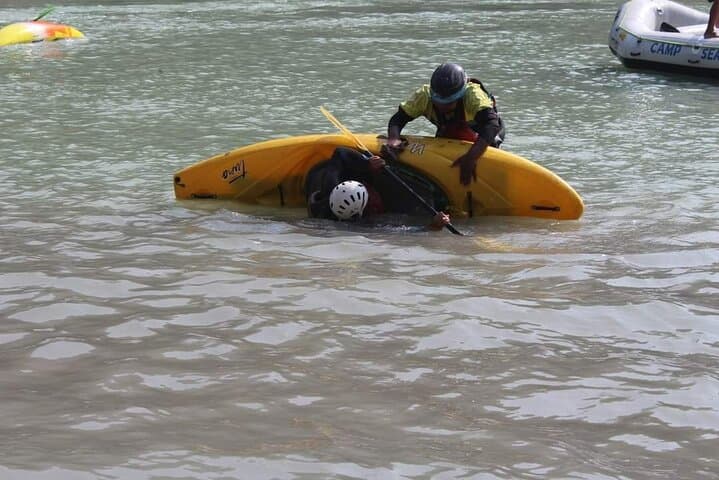
The four-day course moves from pool skills and safety drills to guided runs on mild rapids, with time set aside for Eskimo roll practice and river-crossing techniques. Local guides balance Indian river know-how with modern safety systems — helmets, PFDs, and rescue protocols — and snacks and first-aid are typically included.
Practical guidance: arrive hydrated and able to swim; expect long days on the water and boots or neoprene shoes that grip wet rock. Monsoon swells can close the river to learners — book outside heavy rains and confirm cancellations 24 hours ahead. Dress in quick-dry layers, bring a small dry bag for essentials, and leave single-use plastics behind to protect the river that teaches you.
This course suits committed beginners through advanced paddlers wanting low-stakes whitewater practice framed by the living culture of northern India.
challenging.
4 days.
Participants should have a high level of fitness, comfortable swimming, and the ability to handle repeated exertion in cold or moving water.
No — the course starts with pool and shore drills for beginners, but you must be comfortable in water and able to follow instructor directions.
Yes — operators typically supply helmets, PFDs, spray skirts, and paddles as part of the course package.
High monsoon flows are unsafe for learners; reputable operators pause or modify trips during heavy rain — always confirm before you travel.
Most operators require good cardiovascular health, no serious spinal issues, and limit participation for pregnant travelers; check specific age and weight rules when booking.
Rishikesh has long been a pilgrimage gateway to the Himalaya; its riverside ghats and nearby ashrams attracted travelers and spiritual seekers for centuries and influenced the town’s riverside culture.
The Ganges near Rishikesh faces pressure from tourism and pollution; choose licensed operators, avoid single-use plastics, and respect local waste rules to reduce impact.
Sea Hawk Adventure operates guided outdoor trips and adventures with an emphasis on safety, stewardship, and memorable experiences.
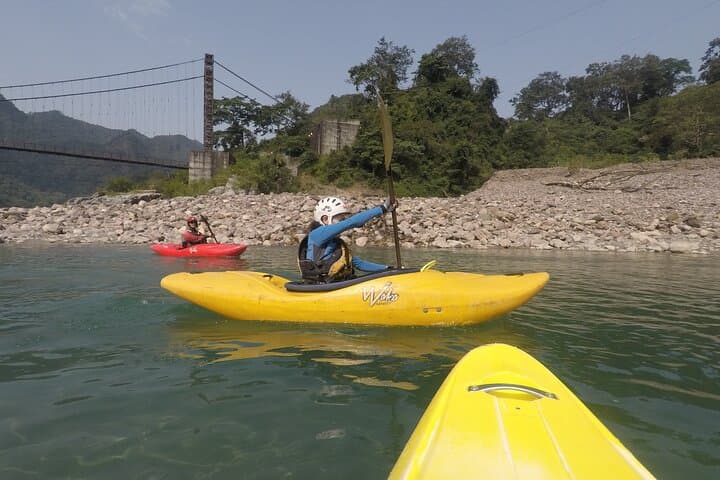
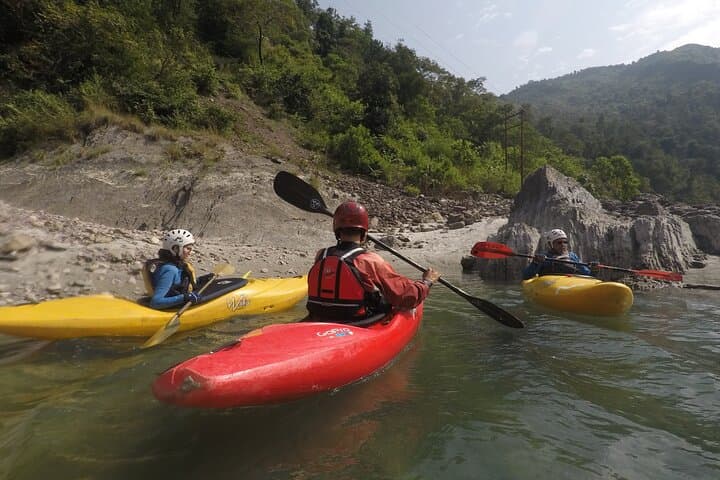
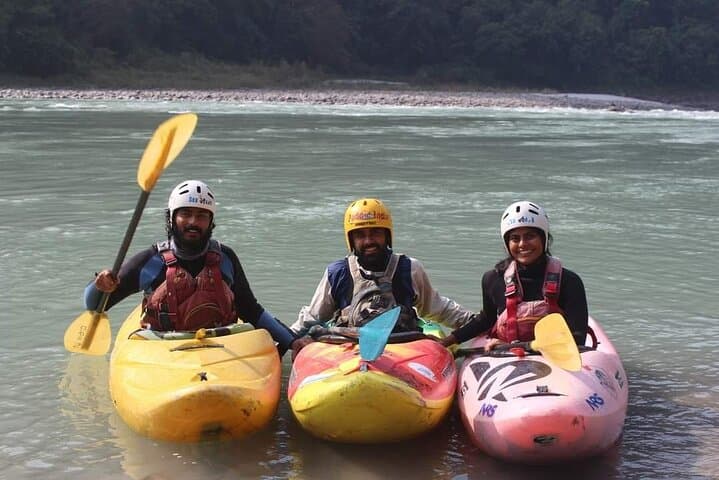
Dawn on the Ganges here is a practical kind of magic: mist lifts off the water, the river pushes itself past stone and monastery, and instructors lay out helmets and boats on a gravelly bank. You feel the current before you see it — a polite dare that becomes a lesson in timing and technique.
Dawn on the Ganges here is a practical kind of magic: mist lifts off the water, the river pushes itself past stone and monastery, and instructors lay out helmets and boats on a gravelly bank. You feel the current before you see it — a polite dare that becomes a lesson in timing and technique.
Rishikesh sits at the lower edge of the Himalaya where glacial streams feed a river that has shaped both landscape and culture for millennia. The town is a mix of pilgrimage ghats, yoga ashrams, and a rugged riverside suitable for introductory whitewater. Geologically the Ganges here runs across uplifted foothills, producing short Class II rapids that are excellent for learning strokes, ferrying, and wet exits.
The four-day course moves from pool skills and safety drills to guided runs on mild rapids, with time set aside for Eskimo roll practice and river-crossing techniques. Local guides balance Indian river know-how with modern safety systems — helmets, PFDs, and rescue protocols — and snacks and first-aid are typically included.
Practical guidance: arrive hydrated and able to swim; expect long days on the water and boots or neoprene shoes that grip wet rock. Monsoon swells can close the river to learners — book outside heavy rains and confirm cancellations 24 hours ahead. Dress in quick-dry layers, bring a small dry bag for essentials, and leave single-use plastics behind to protect the river that teaches you.
This course suits committed beginners through advanced paddlers wanting low-stakes whitewater practice framed by the living culture of northern India.